Analysis: Pursuing energy security with self-sufficiency, demand controls
The government is pursuing a two-pronged strategy to strengthen energy security: reducing dependence on fuel imports through the mandatory B50 biodiesel policy while reforming fuel subsidies to make them more targeted toward lower-income households. Both policies, however, come with challenges. The B50 program, which combines 50 percent palm oil-based biofuel with 50 percent fossil-fuel diesel,…
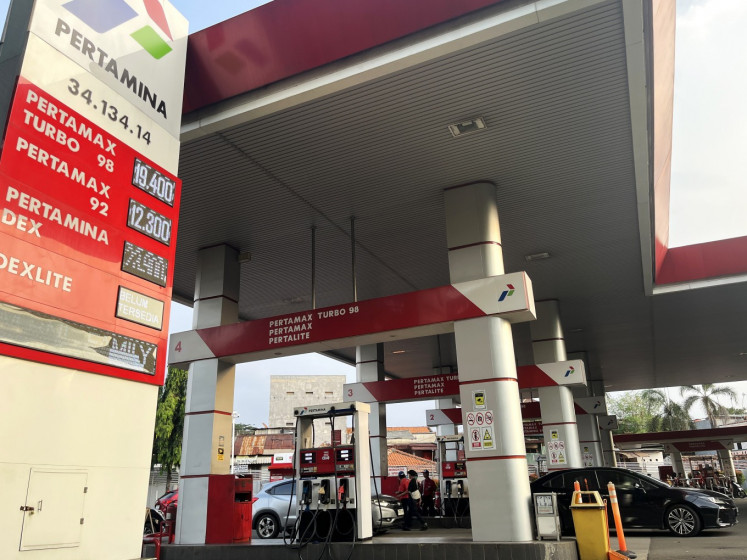
Indonesia is striving for energy self-sufficiency through a dual approach: the B50 biodiesel policy and targeted fuel subsidies. The B50 policy combines palm oil-based biofuel with fossil fuel diesel, aiming to cut dependence on fuel imports. However, this strategy may increase demand for crude palm oil (CPO), potentially impacting exports and cooking oil prices.
The government's subsidy restrictions have raised concerns about the accuracy of household welfare assessments for eligibility. President Prabowo Subianto claims Indonesia has achieved energy self-sufficiency with the B50 policy, which saves up to Rp 170 trillion (US$9.5 billion) in foreign exchange. The B50 rollout, however, could require up to 17 million tonnes of CPO annually by 2027, reducing export stocks for the first time.
A moderate El Niño could further exacerbate CPO production challenges. Meanwhile, the government plans to restrict Pertamina's subsidized RON 90 gasoline for higher-income households, an effort to refine fuel subsidy distribution.
Written by urgent.news from The Jakarta Post's reporting — not their text. Machine-written — may contain errors; check the original before relying on it.
Also reported by 1 other outlet
- Analysis: Pursuing energy security with self-sufficiency, demand controls thejakartapost.com