A cancer vaccine is closer than ever
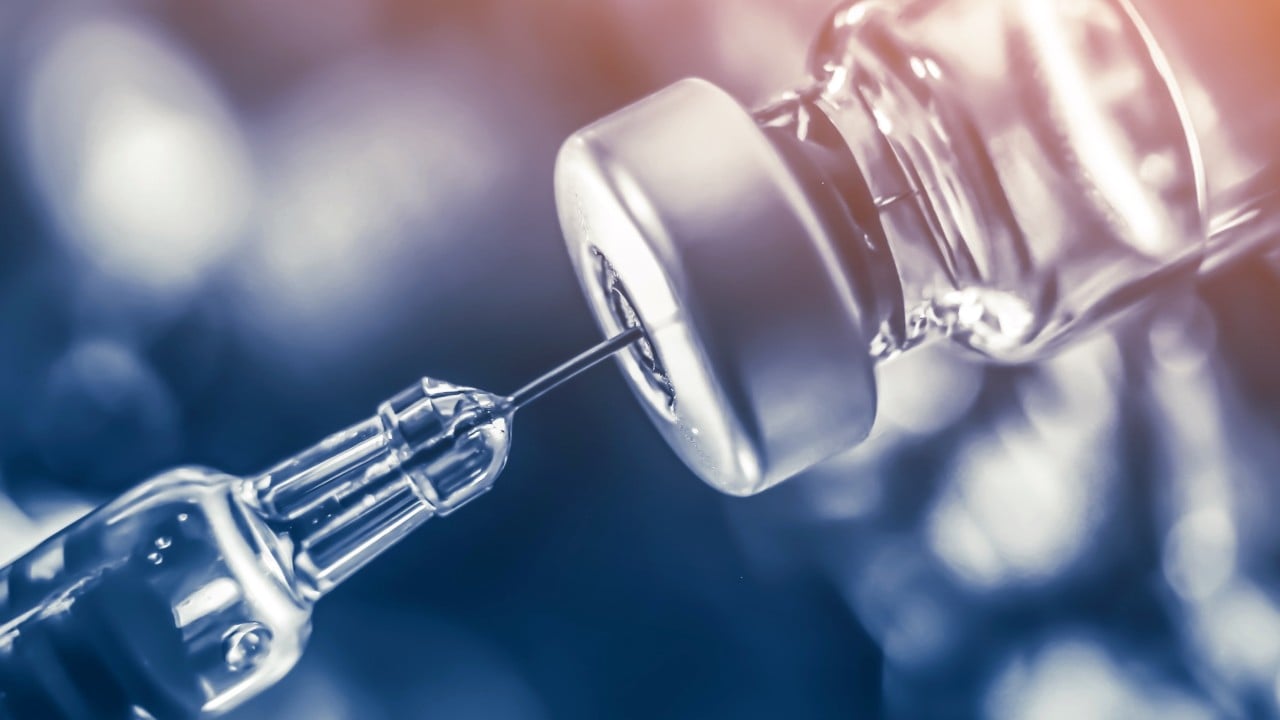
Scientists are on the cusp of fulfilling a decades-long quest: to use vaccines to teach the immune system to spot and destroy cancer cells. News that an mRNA cancer vaccine developed by Merck & Co. and Moderna Inc. kept melanoma from returning in a large, late-stage trial marks a critical next chapter for a technology beleaguered by post-pandemic political backlash and years of false starts…
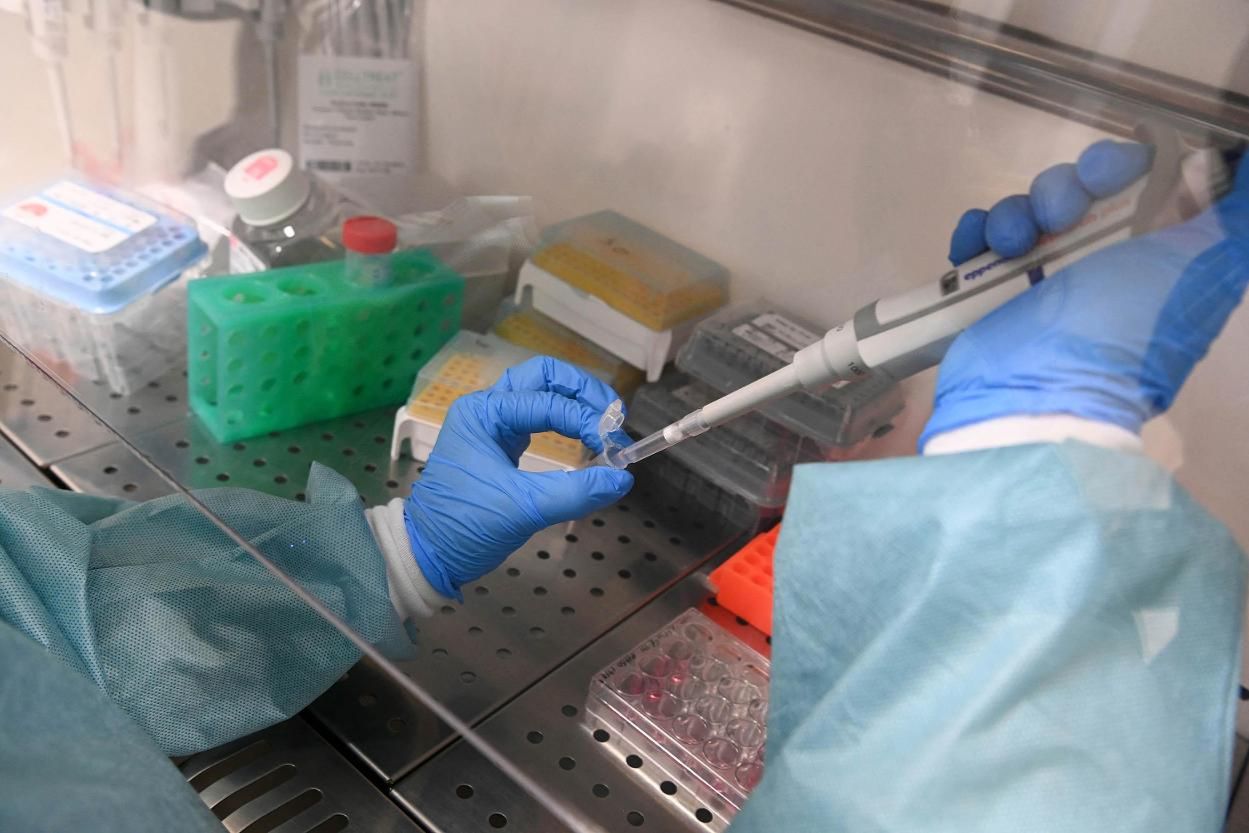
The pursuit of a cancer vaccine that can teach the immune system to recognize and eliminate cancer cells has been a long-standing goal in scientific research. Merck & Co. and Moderna Inc. have developed an mRNA-based vaccine that showed promise in a large, late-stage clinical trial, preventing the recurrence of melanoma in patients.
This breakthrough comes after decades of failed attempts and skepticism surrounding the concept of cancer vaccines. The journey toward a viable cancer vaccine has been fraught with challenges, as coaxing the body to fight its own cells proved to be a far more complex task than initially anticipated. However, the recent findings from Merck & Moderna's Phase 3 study, which combined the personalized mRNA-based vaccine intismeran with the immunotherapy Keytruda, provide compelling evidence that cancer vaccines may indeed be effective.
While further research is needed to determine if the vaccine's benefits extend to other types of cancer, this promising development marks a significant milestone in the quest for a transformative cancer treatment.
Written by urgent.news from The Korea Times's reporting — not their text. Machine-written — may contain errors; check the original before relying on it.
This story
This is one outlet's version. Read the fullest account.
- A cancer vaccine is closer than ever koreatimes.co.kr