YOUTH VOICES: Metro Lives panel explores why Johannesburg’s renewal will fail without its young people
Johannesburg’s renewal cannot succeed without the meaningful participation of its young people. At a Metro Lives dialogue hosted by the DG Murray Trust at Constitution Hill, speakers and youth activists discussed food insecurity, public safety, exclusion, municipal budgets and the need to place children and young people at the centre of the city’s future.
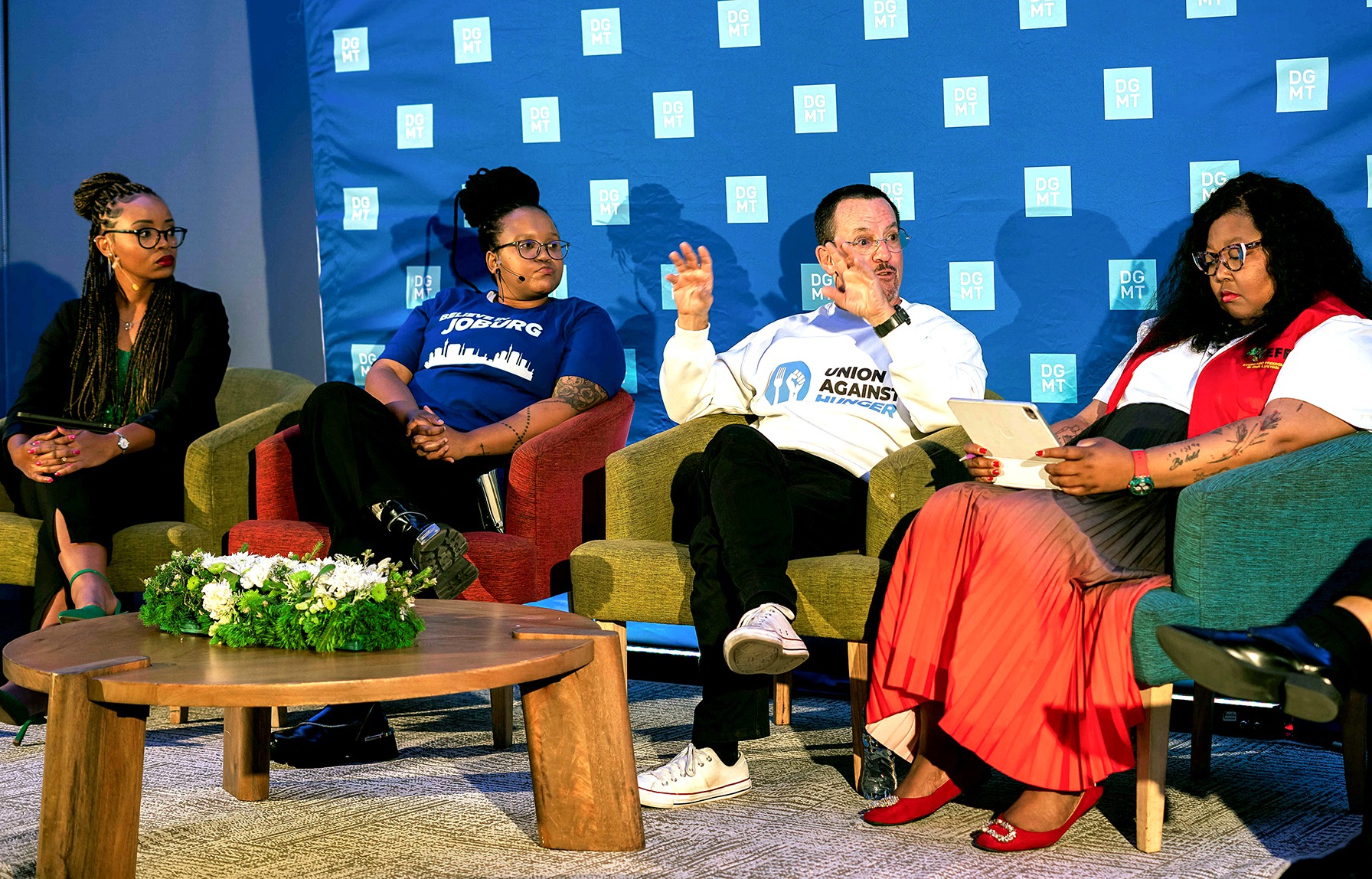
Johannesburg's renewal cannot succeed without the active involvement of its young people. At a Metro Lives dialogue hosted by the DG Murray Trust, youth activists and speakers discussed various issues including food insecurity, public safety, exclusion, budget constraints, and the importance of placing children and young people at the center of the city's future.
Matshidiso Lencoasa, a budget analyst at SECTION27, emphasized that Johannesburg should view its young people not as beneficiaries but as co-authors of its future. She argued that the city has many problems but also possesses ideas and solutions, and that it needs to listen to and prioritize the voices of young people to create a Johannesburg that works for all.
During the discussion, several young people shared their personal experiences, such as going to school hungry and returning home to a mother who apologized for not being able to feed them. This highlighted the human cost of the city's failing urban food system and the need for the City to fulfill its constitutional obligations regarding food security.
Mark Heywood, co-founder of Union Against Hunger, suggested practical steps such as identifying municipal land for food production, ensuring water, storage, and security, and viewing the city itself as a food-producing space. He also called for supporting the informal food economy, mapping and funding community kitchens, and establishing independent food banks to address the waste of approximately 10 million tonnes of food annually.
Budget analyst Matshidiso Lencoasa pointed out that South Africa's widely praised laws and programmes, such as social grants and the school nutrition scheme, are being undermined by flawed budgeting and implementation. She stressed that the money the government commits to children is not abstract donor funding but public revenue, and that communities are already paying for a decent state but are rarely given a say in how that collective pot is used.
Lencoasa advocated for a "budget by the people for the people," which requires real consequence management when funds for children and poor households are underspent or diverted.
Written by urgent.news from Daily Maverick's reporting — not their text. Machine-written — may contain errors; check the original before relying on it.