Why the rejuvenation of small rivers needs great attention
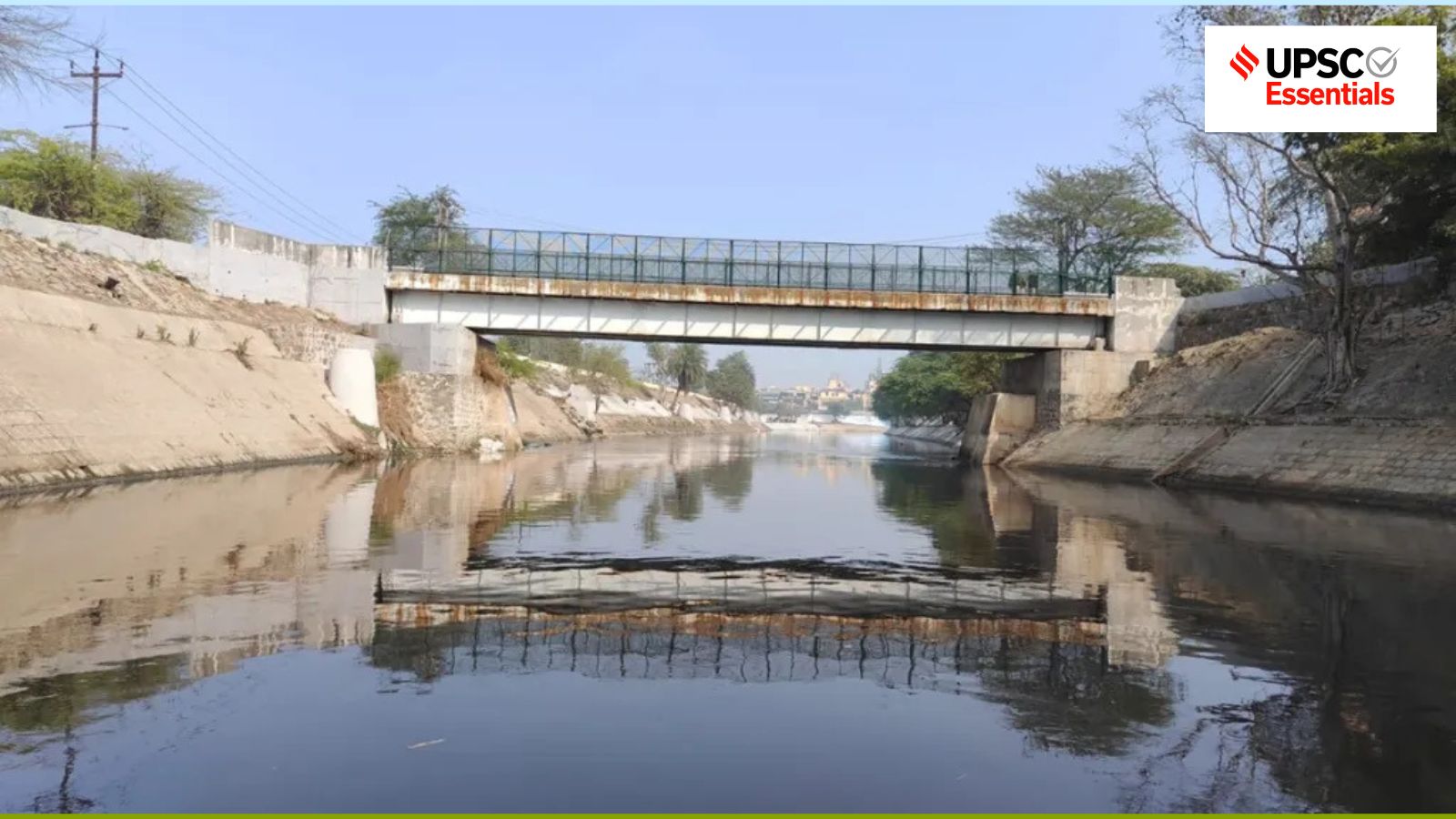
Small rivers have played a crucial role in the development of major civilisations, with India boasting a dense network of these waterways. In recent years, river cleaning programmes have primarily focused on large and medium-sized rivers. However, since 2019, the scope of these programmes has expanded to include smaller rivers in several states.
The draft Small River Rejuvenation (SRR) Framework, unveiled under the National Mission for Clean Ganga (NMCG) programme, aims to address key issues like pollution, climate-related interventions, connectivity restoration, and geomorphological correction. However, the framework recognises that urban and rural small rivers require distinct approaches due to their unique challenges.
In urban areas, small rivers face issues such as encroachment, narrowing, and pollution from city sewage and waste. Examples include Delhi's Sahibi (now known as Najafgarh drain), Mumbai's Mithi, Hyderabad's Musi, and Chennai's Cooum. In rural areas, the bigger challenge is sustaining the flow of rivers over time, which poses a different priority compared to the urban fight against encroachment and waste.
Some states, such as Uttar Pradesh and Kerala, have already initiated river revival efforts. In Uttar Pradesh, One District-One River projects have been implemented for the Noon, Sakarni, Ghurari, Manorama, and Tamsa rivers. Similarly, Kerala has focused on the ecological restoration of the Chithari and Kammalamkudi rivers. Additionally, community-led efforts in various states, like Sukhnag and Sandran in Jammu and Kashmir, Manganga and Kayadhu in Maharashtra, and Rushikulya and Daya in Odisha, are also underway.
The SRR Framework adopts a nature-based ecological approach, focusing on pollution and climate interventions, connectivity restoration, and geomorphological correction. By addressing these issues, the framework aims to improve the health of both small and larger river systems, which in turn provide essential ecosystem services for communities, including provisioning services (drinking water, irrigation, wildlife support), regulating services (groundwater recharge, hydrological cycle), supporting services (nutrient cycling, habitat for various aquatic species), and cultural and religious significance.
Written by urgent.news from The Indian Express's reporting — not their text. Machine-written — may contain errors; check the original before relying on it.