Why should higher education institutions leap towards teaching physical AI?
The transition from screen-based software to embodied agents is redrawing the skills of the workforce
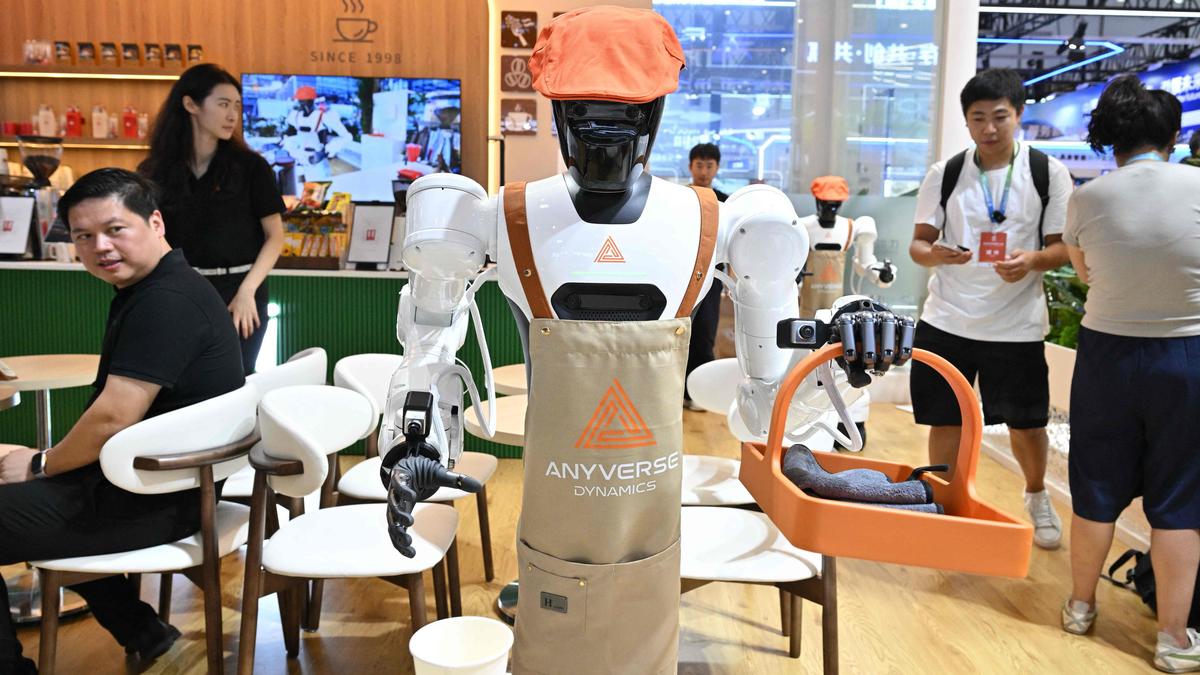
In recent months, a home-built robot called Thindy Dosa Robot, created by a Bengaluru engineer, garnered attention for its ability to make dosas effortlessly, showcasing the potential of physical AI. Envisioning an advanced version of this robot in a bustling restaurant, a customer could effortlessly order a customized dosa through an app, with the robot handling all aspects of the preparation, including batter thickness, flipping, and topping.
In July 2026, researchers at the University of California San Diego demonstrated the capability of humanoid robots working alongside a human surgeon to perform a gallbladder removal surgery on a pig, hinting at the future potential of remote, robot-assisted surgery for patients in remote areas. Physical AI, or embodied AI, is the integration of machine learning models and computer vision directly into physical bodies, allowing for real-time sensing, prediction, and adaptive action in a physical environment.
This shift from screen-based AI to embodied agents is redefining the engineering landscape, creating a demand for interdisciplinary professionals who can bridge software engineering with physical mechanics. Universities must adapt their curriculum to prepare students for these emerging roles by offering cross-disciplinary training in mechanical engineering, electronics, computer vision, machine learning, and embedded systems.
Collaborative initiatives like IIT Delhi's Cobotics center and hands-on internship programs with start-up firms can provide students with the necessary real-world experience to thrive in this new field.
Written by urgent.news from The Hindu - Sci-Tech's reporting — not their text. Machine-written — may contain errors; check the original before relying on it.