Why is Xiaomi doubling down on in-house chips despite profit slump?
Xiaomi’s long-term push into proprietary silicon is laying the groundwork for complex artificial intelligence workloads on smartphones and cars, analysts say, as the Chinese tech giant doubles down on self-developed chips despite an earnings slump and soaring component costs. On Monday it unveiled its flagship Xring O3 3-nanometre AI processor for smartphones, which is scheduled to debut in…
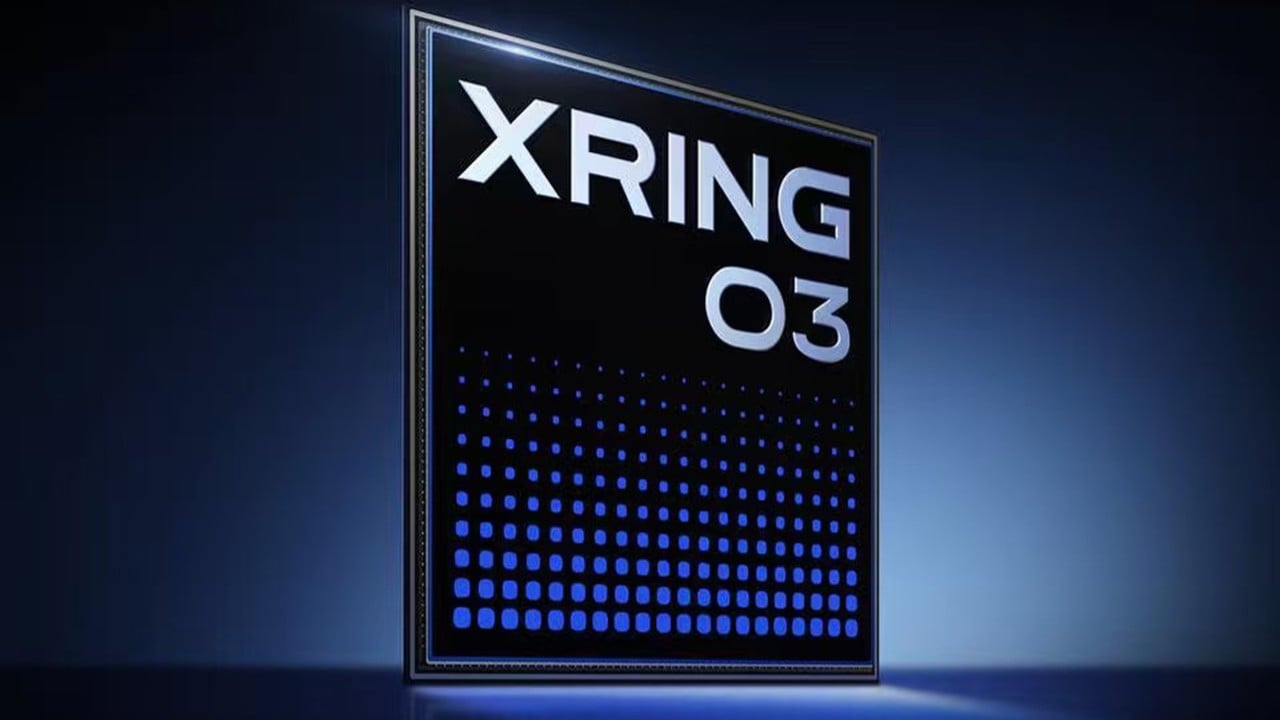
Xiaomi is intensifying its investment in in-house chip development despite a recent earnings decline and rising component costs. The Chinese tech giant recently unveiled its flagship Xring O3 3-nanometre AI processor for smartphones, which is set to launch in September on the Xiaomi 18 Fold device. Additionally, Xiaomi has introduced the Xring O100, a 6nm AI accelerator designed to enhance its MiMo large language model when paired with the O3, as well as the Xring D100 chip for autonomous driving, both slated for commercial release next year.
Ivan Lam, a senior analyst at Counterpoint Research, highlighted Xiaomi's progress in semiconductor technology, positioning the company among the leading Chinese firms that have developed self-designed mobile systems-on-a-chip (SoC). He emphasized that AI workloads are becoming increasingly complex, making on-chip AI performance even more critical. Although semiconductor investments do not yield immediate financial returns, Xiaomi's commitment to this area remains strong.
Xiaomi's semiconductor expansion comes as the global smartphone industry faces increasing memory and component costs, which are putting pressure on profit margins across the sector. In the second quarter of the year, Xiaomi reported a 6.1% year-on-year drop in revenue, reaching 108.9 billion yuan (US$16.2 billion), with net profit falling by 20.3% to 9.46 billion yuan.
This decline marks the company's third consecutive quarter of reduced earnings. Despite these financial challenges, Xiaomi has increased its research and development spending, with a 25.6% year-on-year increase to 18.2 billion yuan. AI-related investments account for nearly 30% of this total.
The Xring O3 processor builds upon the Xring O1, introduced in May of last year. The new chip features 24 billion transistors on a die measuring 133mm on each side, representing a 26% increase in transistor count and a 5% improvement in density. Xiaomi claims the chip delivers higher performance with lower power consumption and is the world's first mobile processor to support next-generation low-power dynamic random-access memory optimized for on-device AI computing.
This launch underscores a broader push among Chinese smartphone manufacturers to develop proprietary silicon. Last year, Xiaomi became the fourth global tech firm to design a 3nm mobile SoC for mass production, following Apple, Qualcomm, and MediaTek. Meanwhile, competitor Huawei Technologies is set to introduce its Kirin 2026 processor, the first to incorporate its newly developed LogicFolding architecture, in its upcoming Mate series smartphones.
Written by urgent.news from SCMP Tech's reporting — not their text. Machine-written — may contain errors; check the original before relying on it.