Why I Was Wrong to Be Bearish on U.S. Stocks
A year ago I wrote the blog post Why I'm Bearish on U.S. Stocks (for the Second Time Since 2017) . Since then U.S. stocks are up 16% (total return) and my bearish prediction turned out to be misguided. So where did I go wrong? And how can you prevent yourself from making the same kind of error in the future? This Time is Different (When Overfitting Fails) A year ago I saw a few signs that…
A year ago, the author penned a blog post expressing bearish sentiments regarding U.S. stocks for the second time since 2017. However, U.S. stocks have since risen by 16% in total return, rendering the initial prediction misguided. The author seeks to understand where they went wrong and how others can avoid making similar errors in the future.
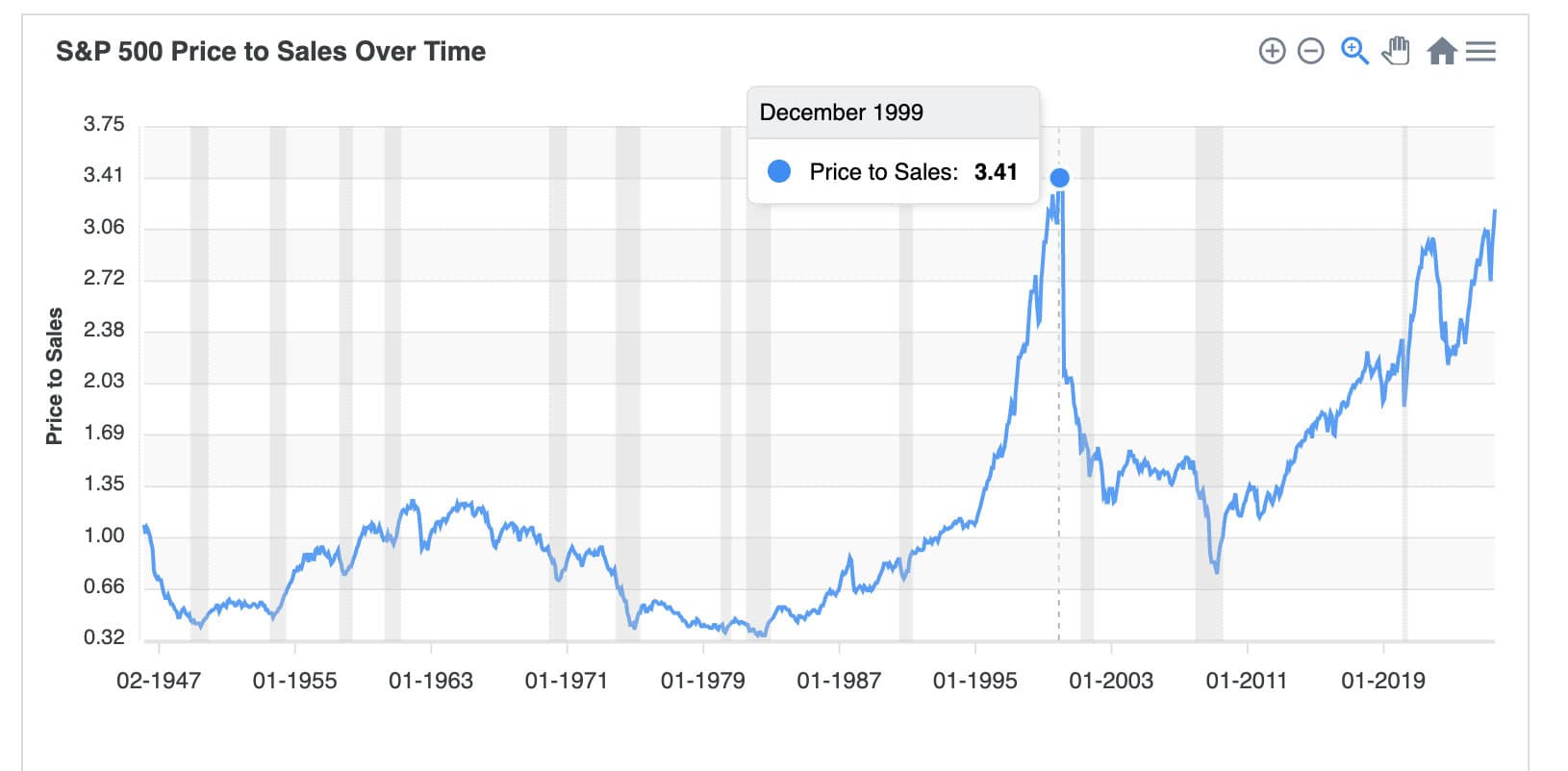
The author noticed several signs reminiscent of the 2021 market exuberance, such as Chamath Palihapitiya filing for a new SPAC and Meta paying $250M+ to hire individual AI researchers. The S&P 500's Price-to-Sales ratio was also back near an all-time high.
The author emphasizes that while each of these signs may represent mania individually, collectively, they do not necessarily indicate a bubble. Chamath launching a new SPAC is merely his pursuit of self-interest, regardless of market trends. Similarly, Mark Zuckerberg's acquisition of Instagram for $1 billion, despite initial skepticism, turned out to be one of the best business acquisitions in history.
Lastly, the author acknowledges that sometimes data can be inaccurate—this was the case with the S&P 500's Price-to-Sales ratio chart.
After reviewing the accurate chart, the author concluded that the P/S ratio does not signal bubble territory as previously thought. Instead, it seems that the aggregate P/S ratio can rise even as companies remain fairly valued due to higher margins. The author regrets overfitting the data and falling prey to the same errors that led them to predict a bearish market a year ago.
Ultimately, the author learned a valuable lesson: it is easy to overfit the data when looking for parallels between periods. While some parallels exist, the author realized that many of the speculative events experienced in 2021, such as NFTs and DeFi, did not reoccur in 2025's AI boom. The author stresses the importance of respecting the base rate, which is that U.S. stock performance historically goes up in 7 out of every 10 years.
This statistical likelihood should guide investment decisions, as it was true regardless of market conditions—bearish or bullish.
Written by urgent.news from Of Dollars and Data's reporting — not their text. Machine-written — may contain errors; check the original before relying on it.