Why Ghana has banned unrefined gold exports—GoldBod official provides details
The government’s decision to prohibit the export of unrefined gold doré is intended to move Ghana beyond the role of a supplier of raw minerals and enable the country to capture greater economic value from its gold resources, the Ghana Gold Board (GoldBod) has said.
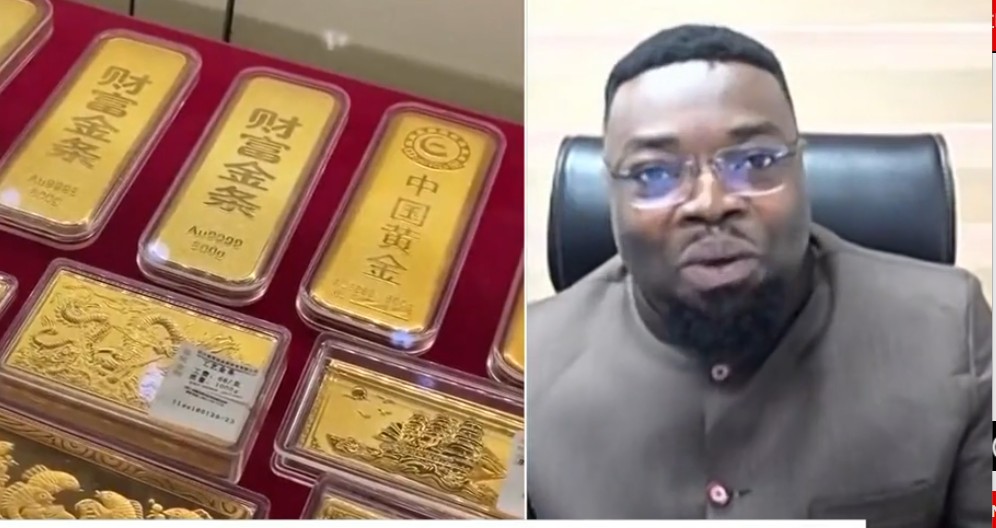
Ghana has recently banned the export of unrefined gold doré in an effort to increase economic value from its gold resources, according to the Ghana Gold Board (GoldBod). The decision, announced by the GoldBod Media Relations Officer, Prince Kwame Minkah, is part of the country's broader strategy to move beyond merely supplying raw minerals and to capture greater economic value from its gold resources.
Minkah explained that the ban is the latest step in Ghana's efforts to reform the gold-trading industry, strengthen formalization, and ensure that more gold processing and trading activities take place locally. He emphasized that the goal is to transition Ghana from simply exporting raw minerals to becoming a country that generates more value from its gold.
The reforms have already led to significant achievements, including the absorption of 170 tonnes of gold through formal channels over the past one-and-a-half years. This accomplishment is seen as a major success in the fight against gold smuggling, as the majority of gold previously entered the informal economy. Minkah stated that the next phase of the reform involves ensuring that Ghana benefits from activities further down the value chain, such as refining and certification, within the country.
By retaining refining and related activities in Ghana, Minkah believes that the country can create jobs, expand domestic refining capacity, improve transparency and traceability, and increase foreign exchange retention. He linked the policy to the government's objective of ending the export of raw minerals by 2030, aligning with President John Dramani Mahama's vision for Ghana.
Minkah also highlighted the broader economic effects of the gold-sector reforms, pointing out that increased formal gold purchases have helped generate foreign exchange, contributing to currency stability and lower inflation rates. The snowball effect of these reforms, he argued, includes downgraded inflation rates and a stable Ghana cedi.
Furthermore, Minkah emphasized that Ghana's decision to ban unrefined gold exports is part of a wider African push towards resource sovereignty. Other African countries, such as Guinea, Tanzania, Burkina Faso, and Mali, have also introduced or are considering similar restrictions on the export of unprocessed minerals. He argued that this global movement is driven by the concern that Africa has historically been an exporter of raw materials while others capture the value in processing, certification, financing, and trading.
Written by urgent.news from MyJoyOnline Ghana's reporting — not their text. Machine-written — may contain errors; check the original before relying on it.
This story
This is one outlet's version. Read the fullest account.
- Why Ghana has banned unrefined gold exports—GoldBod official provides details myjoyonline.com
- Ghana tightens gold exports, orders local refining from September businessday.ng
- GoldBod orders local refining effective September 1 as Ghana moves to gain value from gold trade 3news.com
- Gold Fields soars, R1m employer penalties, and Broadband Infraco woes moneyweb.co.za