Why 0s and 1s aren't enough — 3-part biological memory model exposes limits of AI silicon
Researchers propose that memory depends on neurons, astrocytes, surrounding molecules, and chemical signals, challenging purely electronic explanations of cognition.
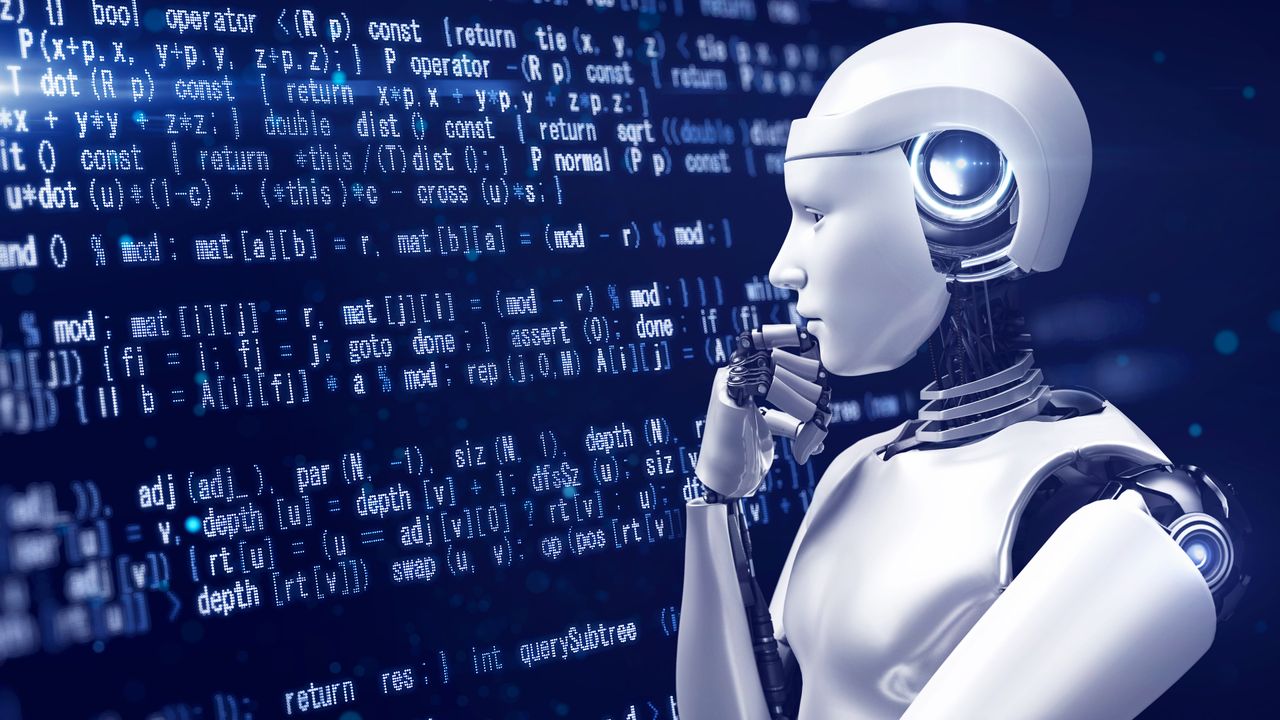
The paper titled "Why 0s and 1s aren't enough — 3-part biological memory model exposes limits of AI silicon" argues that conventional binary code, composed of 0s and 1s, lacks the capacity to fully capture the essence of memory. Researchers Gerard Marx of MX Biotech Ltd. and Chaim Gilon of the Hebrew University of Jerusalem have developed a theory called the Tripartite Mechanism of Memory, which posits that three biological components - brain cells, particularly astrocytes, interacting with neurons and the molecular environment - generate genuine memory.
Unlike silicon chips that store information as binary states, the tripartite model suggests memory arises through the interaction of three distinct biological elements. These include brain cells, the molecular environment surrounding those cells, and specific chemicals such as metal ions, neurotransmitters, and gliotransmitters. The researchers argue that biological memories possess an emotional dimension that cannot be replicated by binary code in a computer's memory bank.
Astrocytes, abundant brain cells that closely interact with neurons, play a particularly significant role in this newly proposed model. Marx and Gilon propose that clusters of astrocytes contribute to processing cognitive information alongside neurons and the surrounding cellular environment. They argue that biological memories are not simply pieces of stored logical information, but carry an emotional component that no binary code can replicate.
The distinction between biological and silicon-based memory becomes increasingly relevant as AI systems continue to advance. The researchers challenge the notion that greater computational power and complexity alone would lead to biological-like consciousness in machines. They argue that purely electronic systems lack the biological infrastructure and emotional processes inherent to living organisms.
While AI can perform increasingly sophisticated intellectual tasks, this study raises a fundamental question: does intelligent behavior equal the biological processes that produce memory, emotion, and thought?
Written by urgent.news from TechRadar's reporting — not their text. Machine-written — may contain errors; check the original before relying on it.