When the EV battery dies or car goes up in flames, can you still get out?
Electric vehicles (EVs) continue to transformed the road — and our world. The automobile has become a computer on wheels. Doors can unlock from a phone, handles can disappear into the bodywork, windows can be controlled electronically and software can be updated remotely. But one old-fashioned requirement remains: when something goes catastrophically wrong , people must be able to get out — and…
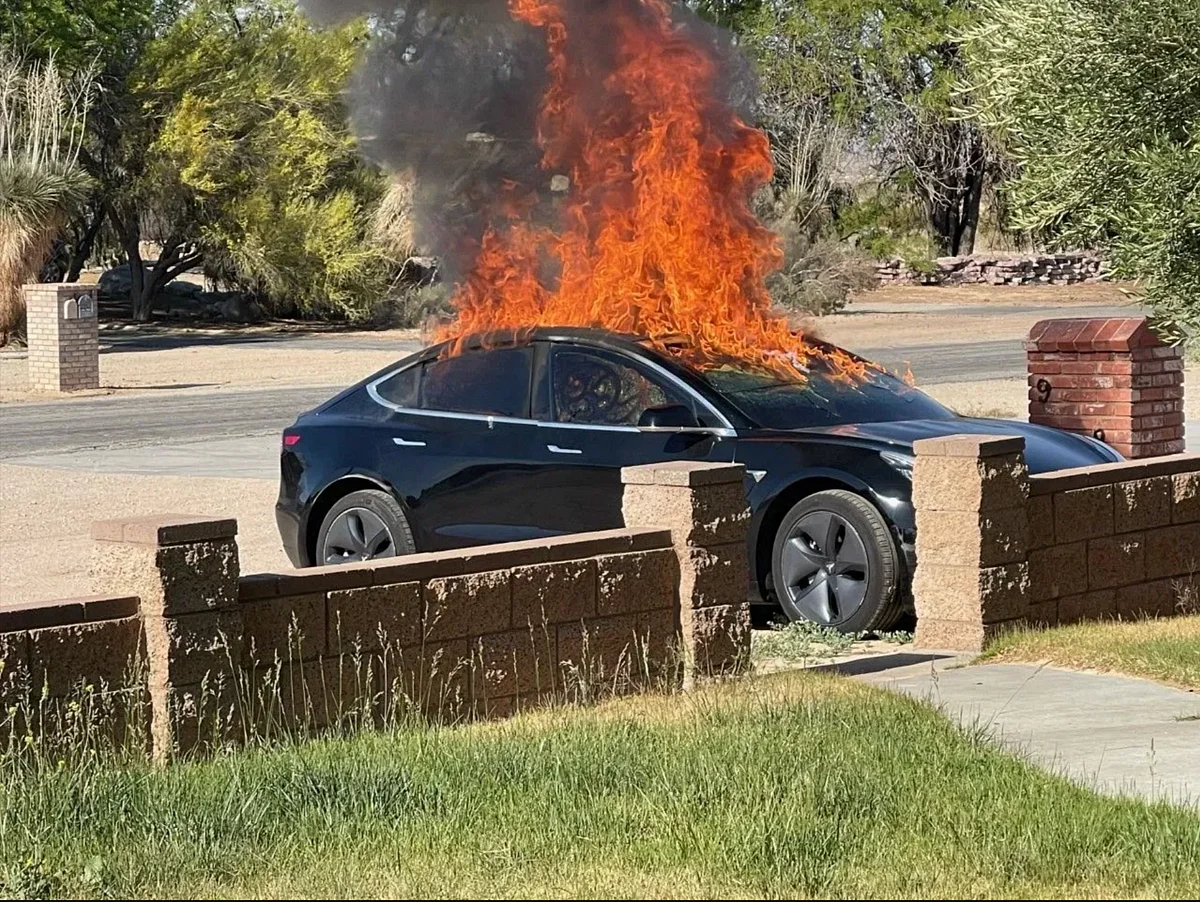
Electric vehicles (EVs) have revolutionized transportation, offering advanced technology and convenience. However, a critical question emerges when disasters strike: can occupants still exit quickly if the vehicle's battery fails or catches fire? Recent recalls and crash reports have highlighted a seemingly simple yet complex issue: the design of EV door handles.
In China, about 4.3 million vehicles, including 2.98 million Teslas, have been recalled due to concerns over electronic or concealed door handles being difficult to operate during a crash or electrical failure. While this does not necessarily mean EVs are unsafe, it raises crucial questions about the safety and accessibility of these vehicles in emergencies.
Modern EVs often rely on high-voltage batteries for driving, while a separate low-voltage system powers conventional functions like electronically-actuated doors. These doors may depend on electrical power, and manufacturers typically provide emergency release mechanisms. However, these releases can be hidden, unlabelled, or poorly visible, posing significant challenges for both occupants and rescuers.
In a burning vehicle, every second counts, making the visibility and intuitiveness of emergency releases paramount. Automakers are addressing this issue through software updates, warning labels, and improved labeling of mechanical releases. Yet, the underlying systems and mechanisms vary, leading to inconsistent safety standards across different EV models.
As rescuers arrive at the scene, they face the daunting task of determining whether entering the vehicle exposes them to electrical or thermal hazards, particularly if the high-voltage battery is damaged. This dual challenge underscores the need for clear, standardized emergency protocols in the design of electric vehicles.
Written by urgent.news from Gulf News's reporting — not their text. Machine-written — may contain errors; check the original before relying on it.