What would justice look like if there were no Rohingya left in Myanmar?
Nine years after the 2017 atrocities, Rohingya are still being forced to flee because the genocide has never stopped.
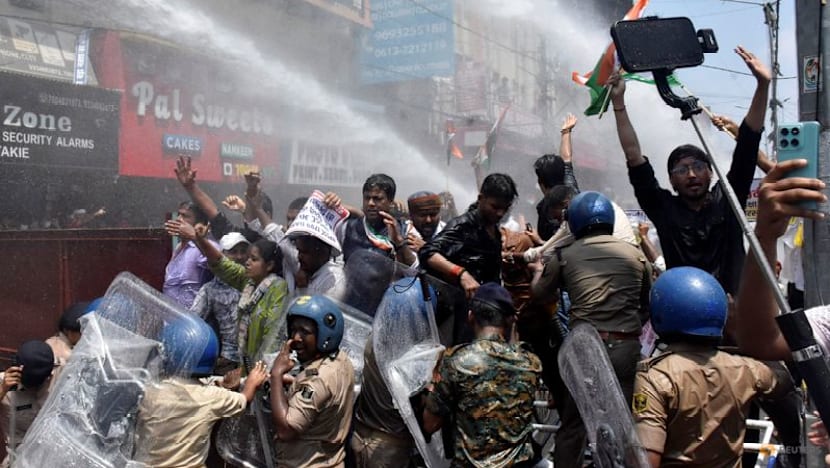
Overcrowded refugee camps in Bangladesh have been the site of a protest by tens of thousands of Rohingya people, who are demanding justice, improved living conditions, and a safe return to their homeland. The United Council of Rohingya refugees organized the demonstration on Tuesday, coinciding with the ninth anniversary of their exodus from Myanmar. Approximately 1.2 million Rohingya, many of whom fled a 2017 military assault in Myanmar, reside in about 30 camps in Cox’s Bazar, the world’s largest refugee settlement.
The conditions in these camps have worsened due to reduced funding, limited food supplies, and cuts in essential services, according to aid groups. Oxfam has warned that decreased humanitarian resources could undo progress made in Cox’s Bazar, as services are already under significant strain. Al Jazeera’s correspondent in Cox’s Bazar, Tanvir Chowdhury, reported that the protesters are demanding global attention to their plight, stating, "They want justice, they want dignity, and a safe return home."
Save the Children estimates that one in three Rohingya refugees is likely to face crisis-level hunger between September and December. Despite the challenges, Bangladeshi authorities are calling for the dignified return of the Rohingya to their country of origin. The 2017 Myanmar crackdown, which involved the burning of Rohingya villages and the killing of civilians, is currently under investigation by the United Nations’ top court in The Hague.
Written by urgent.news from Qatar Tribune's reporting — not their text. Machine-written — may contain errors; check the original before relying on it.
Also reported by 2 other outlets
- Rohingya refugees demand justice, dignity qatar-tribune.com
- Photos: Rohingya refugees rally nine years after Myanmar exodus aljazeera.com