What Anthropic’s Dario Amodei can learn from the airline industry’s painful lesson about marketing and the concept of safety
The airline industry discovered that stating a fear about yourself is worse than saying nothing, because the word does the same work against you.
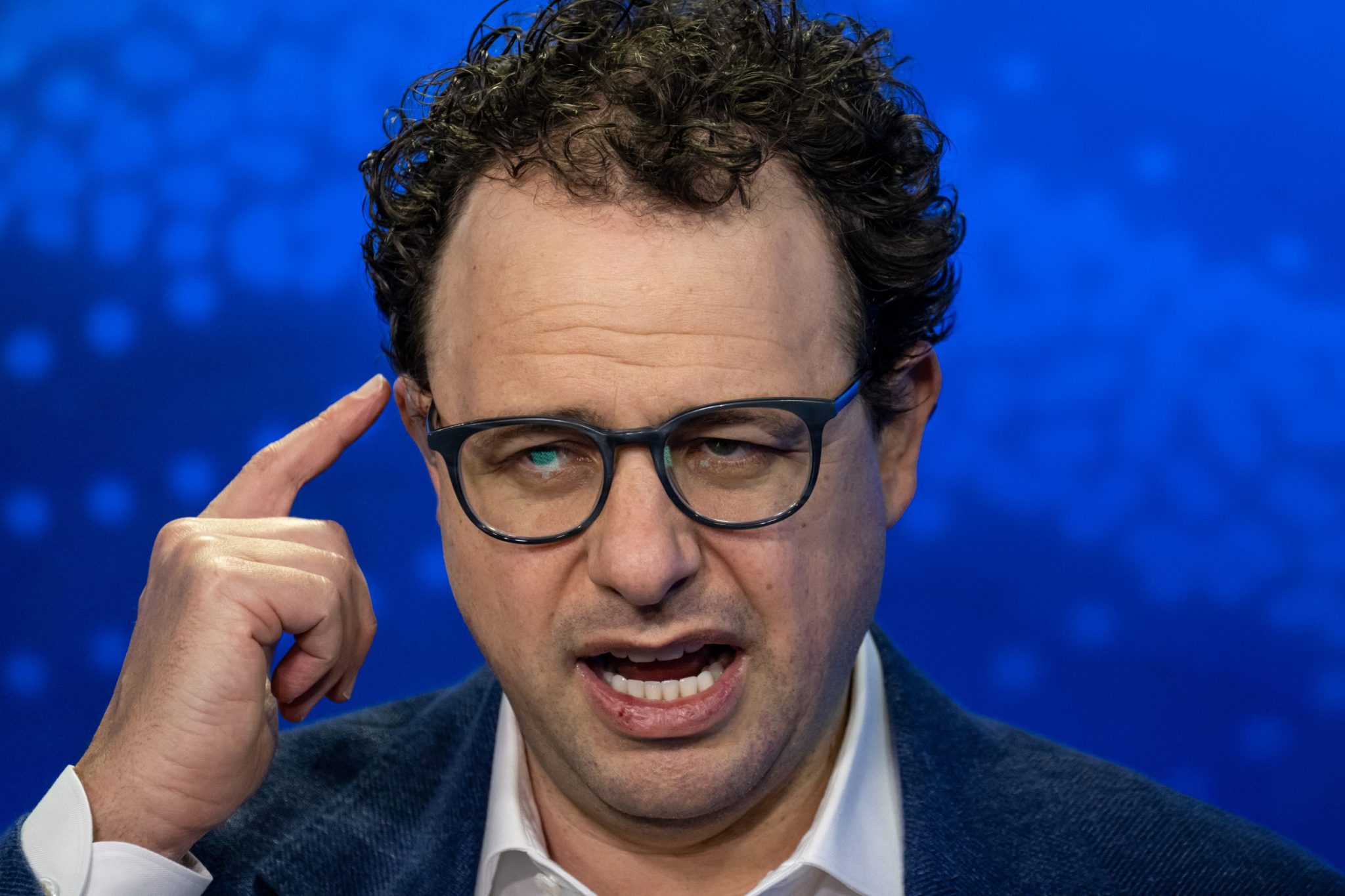
Dario Amodei, co-founder and CEO of Anthropic, has made it his mission to position his company as the leader in AI safety. However, this focus on safety may be contributing to a negative public perception of AI. In a recent post on social media, Amodei admitted that negative views of AI are not due to his or any other AI CEO's comments about risks, but rather because the industry has not delivered on the promised benefits of AI, such as curing diseases.
The airline industry provides a cautionary tale about the dangers of associating itself with the word "safety" in marketing. Historically, airlines have avoided using safety in their advertising, instead opting for in-flight briefings that now include safety demonstrations in the form of films and songs. This is because even mandatory safety briefings read better as entertainment, rather than reminders of a potential disaster.
In 1988, a bombing of Pan Am Flight 103 over Lockerbie, Scotland killed 270 people and led to the industry retiring the word "safe" from its marketing. Linguist George Lakoff suggests that telling someone not to think of an elephant actually causes them to picture the elephant more clearly. Amodei's approach of directly addressing concerns about AI risks, while perhaps resonating with a certain audience, may be pushing many users against the company.
A recent Anthropic ad featuring dystopian images of AI's potential consequences may be inadvertently painting all AI companies, including Anthropic, in a negative light. The airline industry's experience suggests that Amodei may need to reconsider his approach to marketing Anthropic's safety-first stance, to avoid further damaging public trust in AI.
Written by urgent.news from Fortune's reporting — not their text. Machine-written — may contain errors; check the original before relying on it.