West Africa Climate and Health Consortium launched
“Changing rainfall patterns and changing temperature patterns create favourable breeding conditions for some of these diseases to thrive,” Consortium Director, Professor Philip Antwi-Agyei stressed.
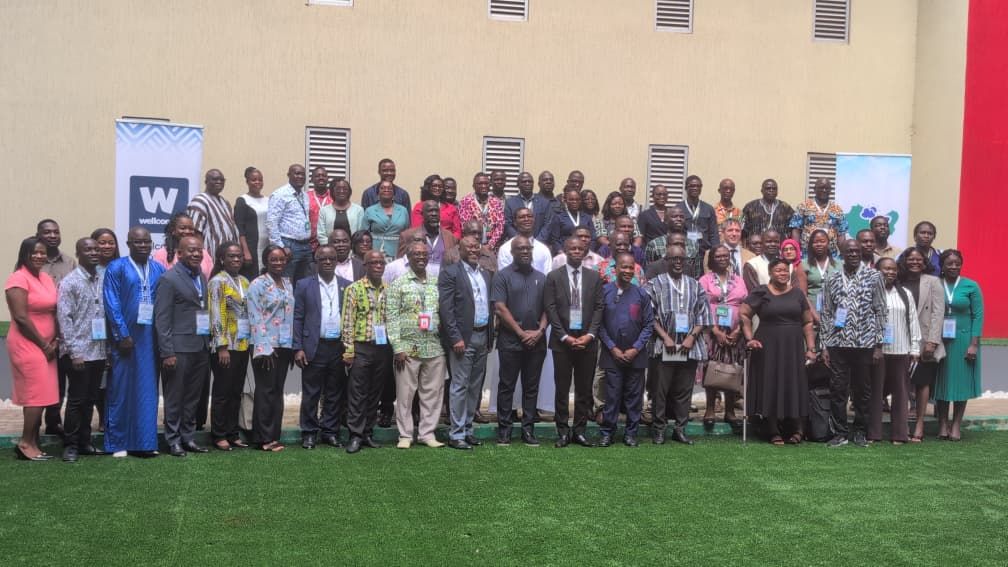
The West Africa Climate and Health Consortium has been established to tackle the growing threat climate change poses to public health, food security and livelihoods in the region. Rising temperatures, floods, droughts, air pollution and shifting rainfall patterns are increasingly endangering communities in Ghana and Senegal. The consortium aims to transform climate research into actionable strategies that enhance community resilience and strengthen health systems.
Professor Philip Antwi-Agyei, Director of the consortium, emphasized that changing climate patterns create ideal breeding grounds for diseases like malaria and dengue, as well as exacerbate respiratory illnesses and food insecurity. Research efforts will concentrate on malaria, mycotoxin contamination, food systems and harnessing indigenous knowledge to bolster climate resilience.
According to Prof. Antwi-Agyei, the consortium seeks to convert existing evidence into policy action. The Ministry of Health in Ghana has conducted a national assessment of climate-related health vulnerabilities and drafted a Health National Adaptation Plan, but the primary challenge lies in translating this knowledge into policy, investment and practical measures.
Ernest Sekyere, a Technical Advisor at the Ministry, highlighted the need for enhanced collaboration on climate-health capacity building, a comprehensive health-sector climate policy framework, and a national heat-health action plan. Senegal's Prof. Roger Tine stressed that Africa must assume greater responsibility in researching the global health challenges posed by climate change.
The consortium, which includes KNUST, the University of Ghana, Senegal's Cheikh Anta Diop University, the Welcome Trust and other partners, will measure its success not just by publications, but by the tangible impact on communities. As climate risks escalate across the region, the consortium hopes to move research from academic settings into policy, health facilities and local communities.
Written by urgent.news from 3News's reporting — not their text. Machine-written — may contain errors; check the original before relying on it.