Warsh taus om utsiktene: – Risikerer at rentene går mye mer
En ting blir annerledes når toppene strømmer til Jackson Hole.
The annual Jackson Hole central bank conference is approaching, a gathering of central bank leaders, economists, financial and business leaders, politicians, and journalists who meet in Jackson Hole, Wyoming, USA, at the end of August. This annual confab of the U.S. Federal Reserve's chief is considered a highlight, followed closely by market actors, economists, and media the following week.
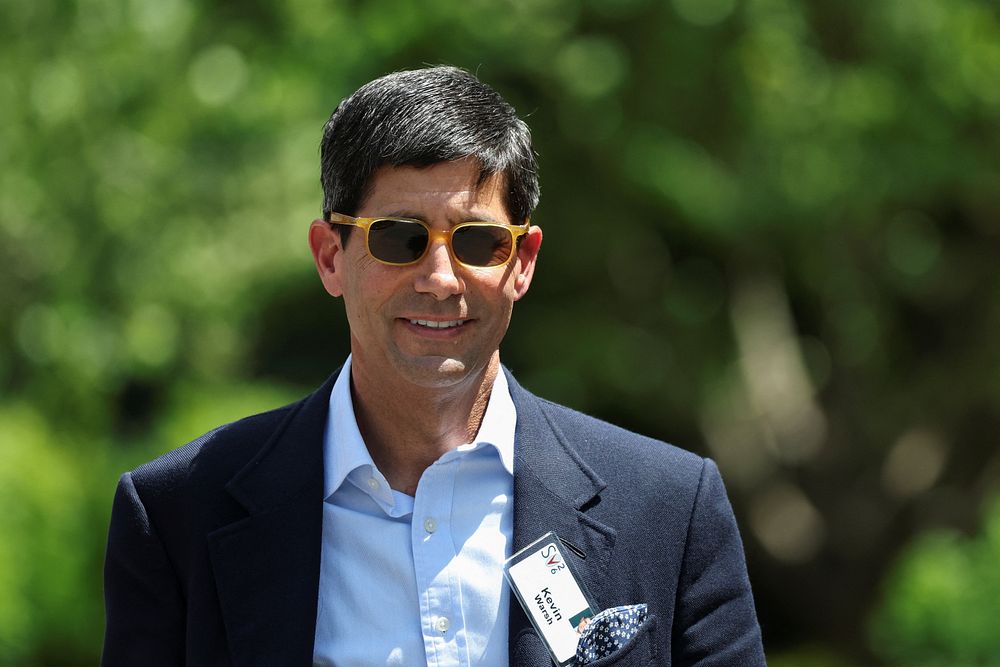
This Thursday, U.S. Federal Reserve Chair Kevin Warsh will be in the spotlight on Friday afternoon. At the same time, there is tension over what may happen to interest rates in the U.S. The rate has remained steady so far in 2026, but economists and market actors see a significant chance for rate hikes before the new year. This could happen as early as the September meeting three weeks from now.
Inflation surge may be decisive for the outcome, and on Wednesday, PCE figures - the U.S. has two primary methods for measuring inflation. The Fed prefers the Personal Consumption Expenditures (PCE) Price Index as the standard. This year's Jackson Hole assembly is likely to be different in a crucial regard. Kevin Warsh took over in May, and this will be his first Jackson Hole speech as Federal Reserve Chair.
Prior Fed officials have sometimes used Jackson Hole as a chance to give signals on interest rates in the future. However, Warsh has been a clear opponent of the Fed's communication on interest rate expectations, noting that it can be limiting for later decisions. He chose not to give a rate forecast when the Fed released projections in June, unlike all other central bank leaders.
Knut A. Magnussen of DNB Carnegie says Warsh was unusually clear in this regard, arguing that it is riskier to backtrack if you give guidance and that you always have a fresh perspective on the situation. However, DNB economist Magnussen still believes the argument does not weigh as heavily as the positive aspects. E24 spoke with several economists who are confident no clear rate signals will come from Warsh.
However, they are interested in his statements in light of how he has communicated since his first rate meeting as Fed Chair. There was significant movement in the rate markets and long rates last week, with no clear communication from Warsh as to why they held rates steady. Warsh's speech on Friday will likely address whether there will be any signs of long rates in the future.
High inflation and the U.S. large national debt are key factors, with Treasury Secretary Scott Bessent increasing the purchase of long-term bonds in an attempt to stabilize the upward trend. When Warsh speaks on Friday, Hov will watch for any hints of long rates, given the surge in rates over the past period. Inflation and the large U.S. government debt play a significant role, with Treasury Secretary Scott Bessent increasing the buying of long-term bonds in an attempt to stabilize the upward trend.
When Fed officials are less vocal, the market wonders about their reaction to strong inflation. Will they take action with shorter rates, or will it happen through financial tightening over time? The market needs clarity, and it was confused by what we saw in July. Fed's responsibility is to ensure price stability over time, so there can be no doubt about that.
Written by urgent.news from E24 Norway's reporting — not their text. Machine-written — may contain errors; check the original before relying on it.