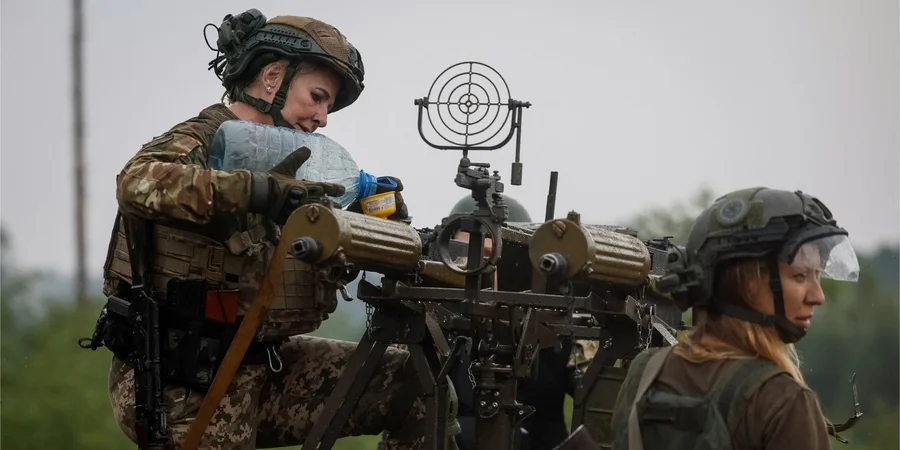
UN, Red Cross step up call for international rules on 'killer robot' weapons systems
The yearslong effort to rein in the use of autonomous weapons systems has struggled to produce limits
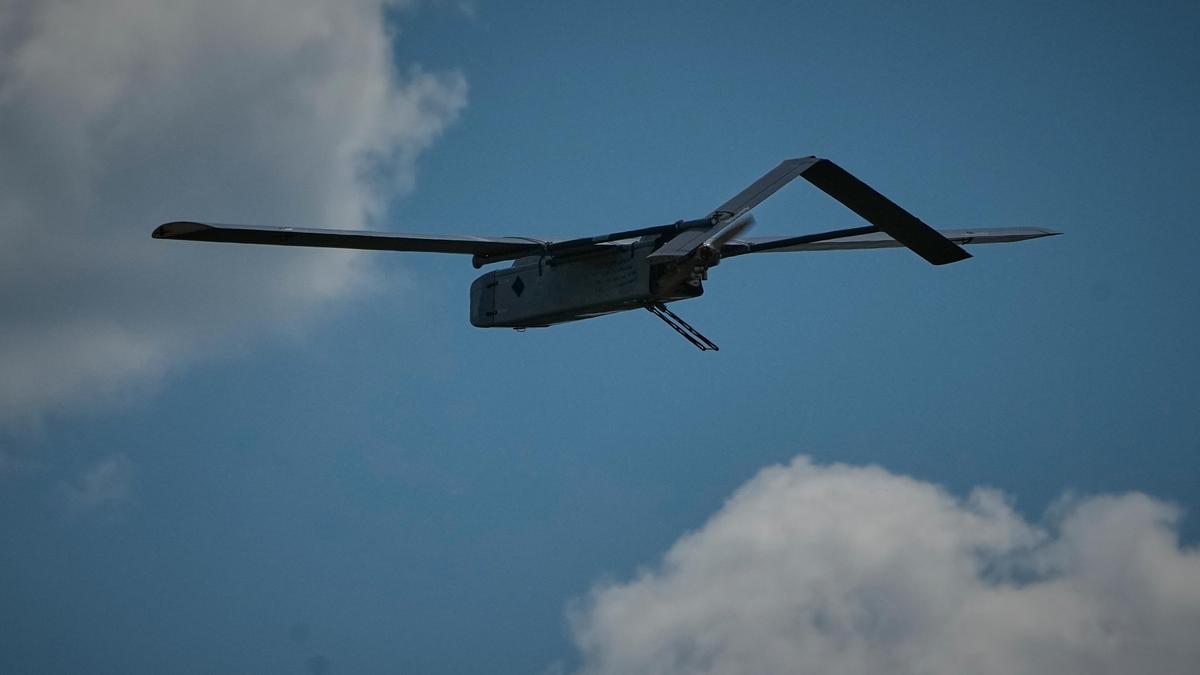
The United Nations and the International Committee of the Red Cross (ICRC) have intensified their calls for international regulations on autonomous weapons systems, often referred to as "killer robots." In a joint statement issued on Tuesday, August 25, 2026, the organizations warned that the risks associated with these weapons systems have intensified. While the statement does not call for a complete ban, it highlights the potential consequences of such weapons being employed in warfare.
The UN and ICRC are urging countries to adopt bans and restrictions on the use of autonomous weapons systems, noting that the development of this technology is happening at a rapid pace. They emphasize that civilian protection is paramount, even if such weapons have not yet been used in battlefields. Speaking on behalf of the UN, spokesperson Alessandra Vellucci emphasized the urgency of the situation, stating, "The fundamental concerns remain unchanged, but the risks have intensified."
The organizations attribute the challenge of developing international rules for autonomous weapons systems to the "record speed" of technological advancement, which has widened the gap between technological capacities and regulatory constraints. They stress that autonomous weapons systems are not a distant future and that a race toward greater autonomy in weapons systems is already underway.
The call for regulations comes as negotiators prepare to meet in Geneva in November to discuss strengthening the existing Convention on Conventional Weapons. The UN and ICRC believe that this conference presents the most viable opportunity to establish binding legal rules on the use of autonomous systems. The ongoing efforts to curb the use of these weapons have faced challenges, but the organizations stress that scientists and engineers involved in their development have themselves raised concerns about the need for limitations.
The push for regulations is particularly relevant in the context of ongoing conflicts involving drones and other autonomous technologies, such as the Russia-Ukraine war and others in West Asia, Sudan, and beyond. Ground robotic vehicles have been utilized in conflicts like Ukraine to transport supplies and evacuate personnel, but their use of lethal firepower remains limited due to the scarcity of such systems.
The UN and ICRC believe that 2026 is a critical year that could mark a significant turning point in addressing the issue of autonomous weapons systems. They stress that states cannot afford to remain passive in the face of the architects of these technologies calling for limits on their use.
Written by urgent.news from The Hindu - Sci-Tech's reporting — not their text. Machine-written — may contain errors; check the original before relying on it.
This story
This is one outlet's version. Read the fullest account.
- UN and Red Cross step up call for international rules on ‘killer robot’ weapons systems apnews.com
- UN and Red Cross step up call for international rules on 'killer robot' weapons systems pbs.org
- UN and Red Cross step up call for international rules on ‘killer robot’ weapons systems winnipegfreepress.com