The US bond crisis highlights a deeper fiscal rot
The US bond crisis highlights a deeper fiscal rot newspress_en Tue, 08/25/2026 - 03:57 Business & Economy US Treasury Secretary Scott Bessent, in a move befitting the most economically interventionist US administration in half a century, announced his intention last week to intervene to artificially cap runaway yields on US government debt. The move, which had a tiny positive impact that lasted…
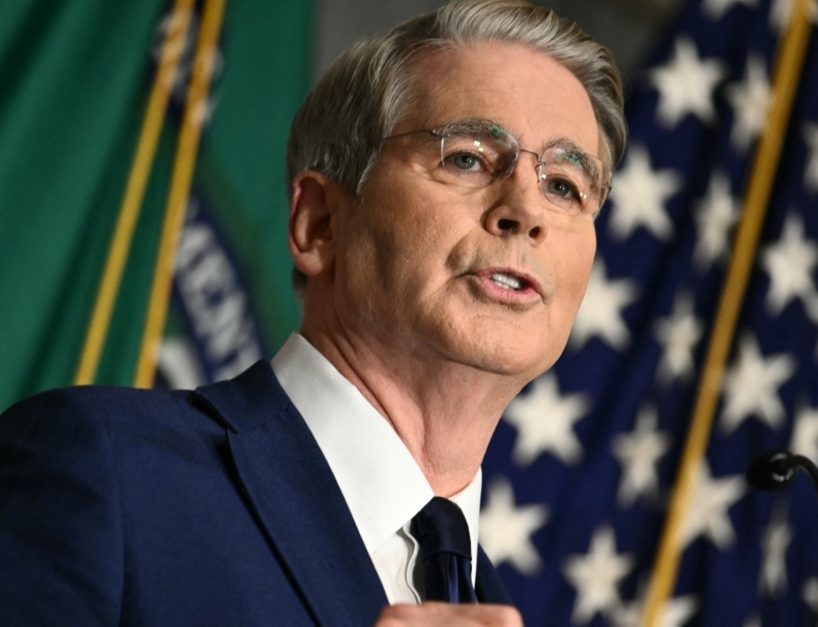
The US bond crisis has shed light on deeper fiscal rot, according to US Treasury Secretary Scott Bessent. He plans to artificially cap soaring yields on US government debt, in what could be the most interventionist administration in half a century. This move, however, provides only a brief and minor relief to the mounting concerns over the nation's fiscal health.
The 10-year and 30-year Treasury notes are currently at approximately 20-year highs, indicating that buyers require substantial incentives to invest in the increasingly perilous waters of US government debt. Rising bond yields signify that buyers demand a stronger incentive to invest in the debt, as the government's fiscal and budgetary situation is a "train wreck" with staggering budget deficits, astronomical national debt levels, and no clear plans for resolution.
The debt surge is primarily attributed to tax cuts under President Donald Trump's administration, particularly his first-term tax cuts and the huge "One Big Beautiful Bill" in the second term, coupled with emergency stimulus measures by the Biden administration during the Covid-19 pandemic. The national debt has reached a record $40tn, and the budget deficit for fiscal year 2026 has surpassed $1.8tn.
With interest payments on this debt already at $1tn for the current fiscal year, and expected to double in the next decade if trends persist, the debt crisis poses a significant challenge. Bessent's intervention aims to muddy the waters by making it harder to ascertain the "true" yield on long-term government debt, potentially impacting Federal Reserve Chair Kevin Warsh's plan to rely on market feedback about the economy's real state.
Written by urgent.news from Al Majalla English's reporting — not their text. Machine-written — may contain errors; check the original before relying on it.