The U.S. Power Play in Iraq That Moscow and Beijing Didn’t See Coming
As Russia remains occupied with its war in Ukraine, Iran focuses on defending its territory against U.S. and Israeli attacks, and China maintains its involvement in both conflicts under the bar that would trigger direct conflict with America, Washington is leveraging its position in Iraq. These efforts by the U.S. and its allies have taken on further urgency as Iraqi Prime Minister Ali al-Zaidi…
In recent weeks, the United States has been strategically positioning itself in Iraq to capitalize on the country's anticipated oil production rise. This comes as Iraq plans to increase its oil production from 8 million barrels per day to 10 million barrels per day within six years. The U.S. and its allies aim to be best positioned to benefit from this potential growth.
Iraq possesses four key qualities that make it a desirable location for international interests. Firstly, Iraq is one of the largest oil reserves globally, with an estimated 145 billion barrels of proved crude oil reserves, making up nearly 18% of the Middle East's total and ranking fifth in the world. Secondly, its geographical location places it at the heart of the region, bordered by Iran, Saudi Arabia, Kuwait, Jordan, and Syria.
This advantageous position provides access to critical sea routes and an entry point into Europe. Thirdly, Iraq remains a key member of the Shia Crescent of Power, a geopolitical arc that extends from Iran through Iraq, Syria, and Lebanon, where Shia communities and Iran-backed groups hold significant influence. Lastly, Iraq has historically served as a vital conduit for Iran's sanctioned oil exports, helping the country survive despite international sanctions.
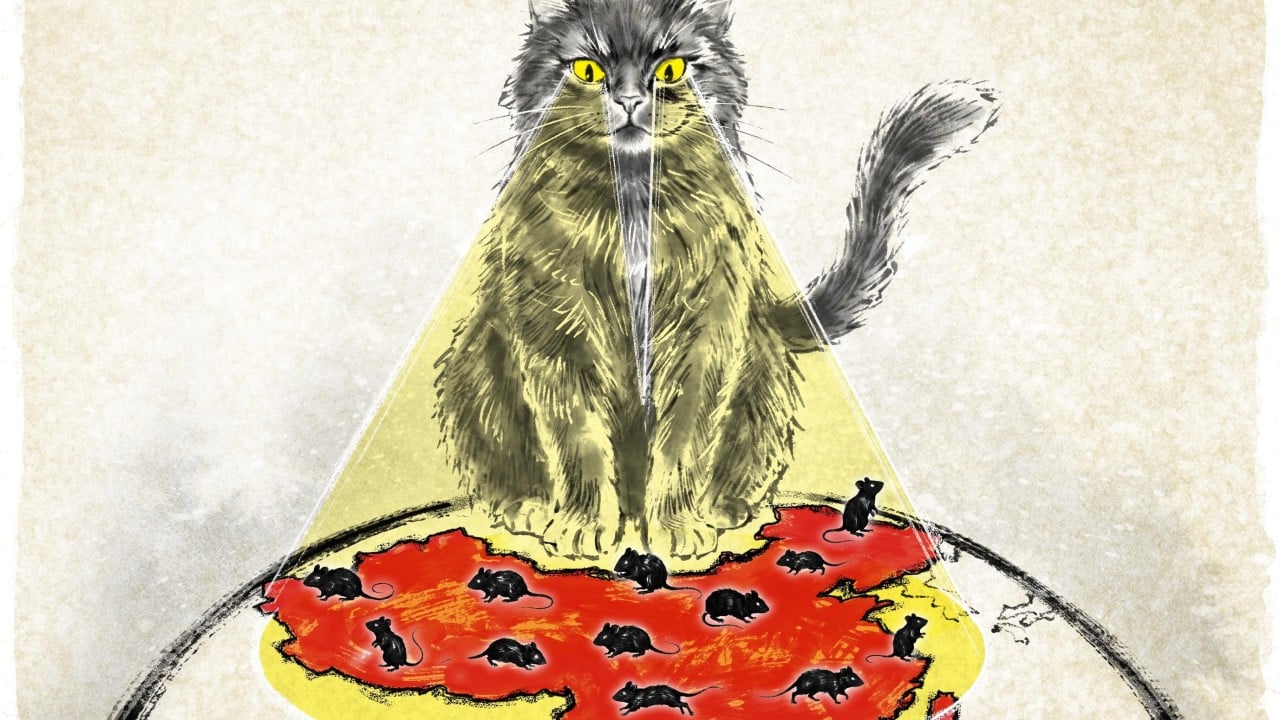
Following the U.S. withdrawal from the Joint Comprehensive Plan of Action in 2018, Russia and China seized the opportunity to exploit American weakness in the Middle East. Russia effectively took control of Iraq's semi-autonomous Kurdistan Region, while China established partnerships in the south of the country. By 2025, Russia held sway over much of northern Iraq's oil sector, and Chinese companies managed around 34% of Iraq's proven reserves and two-thirds of its full-capacity production.
Additionally, China was busy integrating various low-key deals into a full exploration-production-refinery-export hub infrastructure, potentially excluding the U.S. from future decisions.
In response, the U.S. has taken steps to neutralize Russia and China's influence over Iraq. These actions include imposing sanctions on Russian companies in the Kurdistan Region, warning shots at Beijing over Iran and Iraq, and securing key oil field and infrastructure deals with American oil and gas giants. ConocoPhillips, for example, has agreed to acquire a 42% interest in BP Energy Company of Kirkuk Limited, targeting a preliminary production target of 328,000 barrels per day.
This investment is expected to yield up to 450,000 barrels per day within the next two to three years, with the potential for increased output and plateau production figures.
Written by urgent.news from OilPrice's reporting — not their text. Machine-written — may contain errors; check the original before relying on it.
Also reported by 1 other outlet
- The U.S. Power Play in Iraq That Moscow and Beijing Didn’t See Coming finance.yahoo.com