The perils of over-imaging your spine: when do you really need an X-Ray, CT scan or MRI?
Sometimes incidental findings can cause unnecessary anxiety in patients who may believe that their spine is ‘damaged’ when in fact, the finding may simply be a normal part of ageing. Imaging that does not change treatment can therefore add cost, worry and sometimes unnecessary interventions
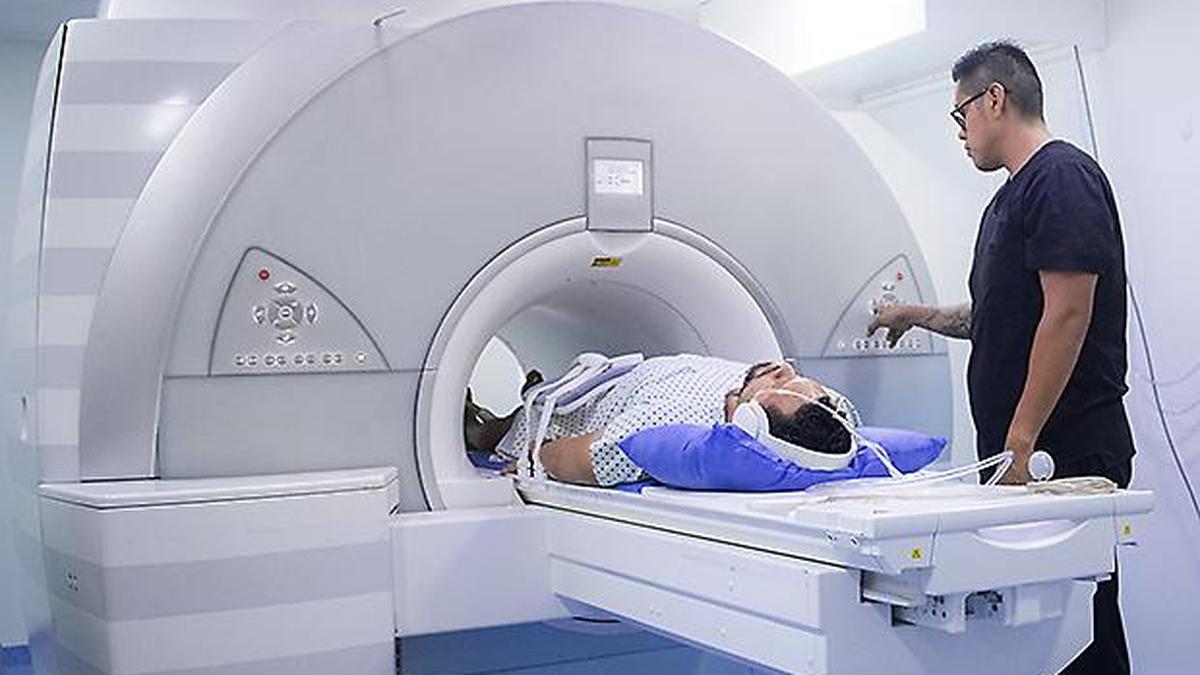
Back pain often leads people to fear the worst and consider getting an MRI. However, most instances of acute low back pain typically improve without the need for such extensive imaging. Routine imaging for uncomplicated low back pain is not advised by international guidelines, as more scans do not always equate to better care. While MRIs are powerful diagnostic tools, age-related changes like disc bulges, degeneration, and arthritis can be detected but may not be related to the pain a person is experiencing. Such incidental findings may cause unnecessary anxiety.
Imaging that does not affect treatment can add costs, worry, and sometimes unnecessary interventions. For simple back pain episodes, a thorough clinical evaluation, effective pain management, maintaining activity levels, and a structured rehabilitation or physiotherapy program are usually sufficient. Most simple cases heal within a few weeks.
Imaging becomes crucial when the medical history or examination suggests a serious structural issue or underlying condition. Significant trauma in older patients or those with osteoporosis, a history of cancer, unexplained weight loss, fever, or other signs indicating a possible infection or malignancy warrant imaging.
Progressive neurological weakness, such as leg numbness or difficulty walking, also requires prompt imaging. A medical emergency is suspected if back pain is combined with new problems controlling bladder or bowel functions or inner thigh numbness, potentially indicating cauda equina syndrome, which is compression of the nerves at the spinal canal's bottom. Urgent MRI is essential in these cases.
Imaging should be the last resort, not the first step. The decision to order a scan should be based on a comprehensive clinical examination rather than the duration of pain alone. It is crucial to avoid unnecessary imaging in the absence of red flags. The aim is to order the appropriate scan for the right patient at the right time, ensuring that the right scan is performed when needed, thereby alleviating the burden of unnecessary scans.
Written by urgent.news from The Hindu - Sci-Tech's reporting — not their text. Machine-written — may contain errors; check the original before relying on it.
This story
This is one outlet's version. Read the fullest account.