The Leica M camera refused to change for seven decades – and that might be its greatest strength
The Leica M proves you don't have to reinvent a camera to keep it relevant for 70 years
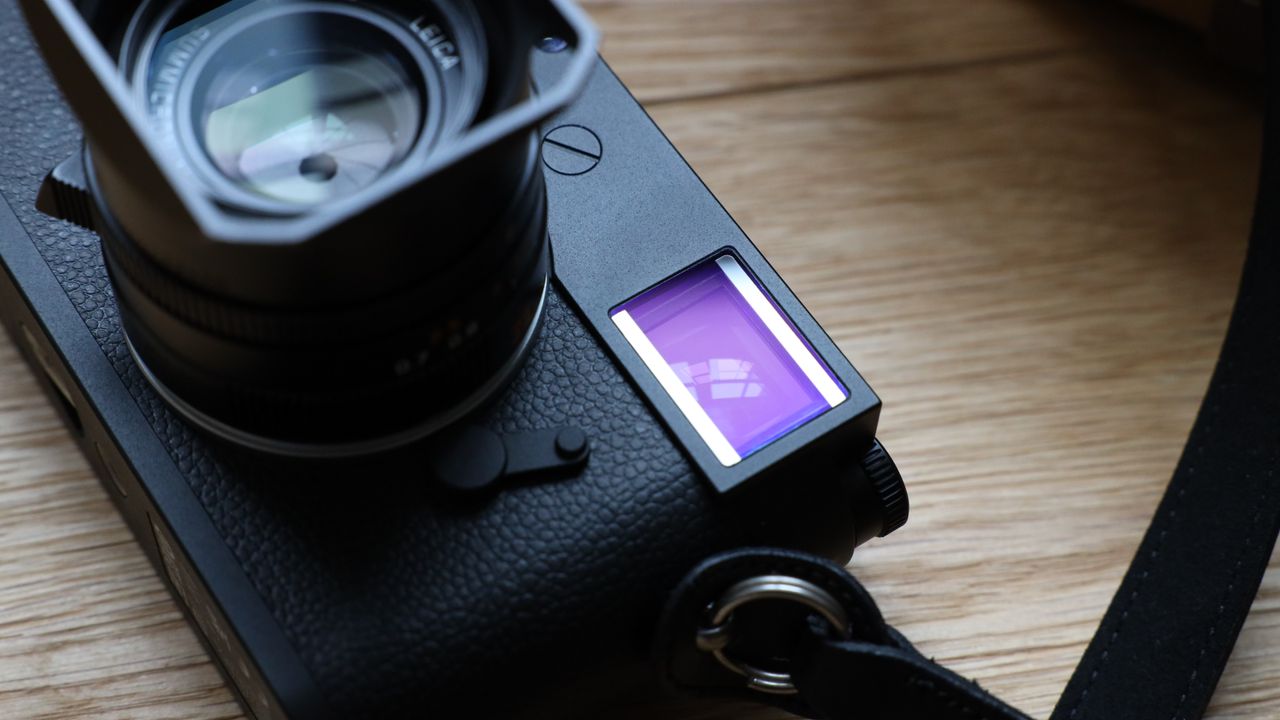
The Leica M camera has defied the trends of the photographic industry for the past seven decades, maintaining a steadfast design that remains remarkably unchanged. While other camera manufacturers have shifted from rangefinders to single-lens reflex (SLR) systems, digital single-lens reflex (DSLR) cameras, and even mirrorless models packed with autofocus, subject detection, and advanced electronics, Leica has continued to refine its original concept.
The Leica M3, launched in 1954, established the M-System and introduced the bayonet M-mount, which is still compatible with current digital cameras. The M system has experienced various improvements, like 35mm frame lines on the M2, integrated exposure metering on the M6, and full-frame digital sensors in cameras such as the M9 and the M (Typ 240).
The latest generation, the M11, boasts a 60-megapixel sensor. Despite these technological advancements, the core shooting experience of the Leica M has remained remarkably consistent, with manual focusing, physical controls, and the iconic optical rangefinder. The Leica M's appeal lies in its ability to put the photographer in control, allowing them to focus on composition, timing, and exposure without the interference of automated systems.
In 2025, Leica introduced the M EV1, the first M camera to incorporate an electronic viewfinder (EVF). This change added features such as focus peaking and magnification for more accurate manual focusing, but the camera still retains its classic form and manual-focus lenses. The M EV1 proves that Leica is willing to adapt certain aspects of the M system while retaining its core identity.
Throughout its 70-year history, the Leica M has shown that it knows precisely which elements are worth modifying and which are better left untouched. The camera's remarkable longevity and unwavering commitment to its fundamental principles set it apart from many modern cameras that prioritize ease-of-use and innovative features over traditional craftsmanship.
Written by urgent.news from Digital Camera World's reporting — not their text. Machine-written — may contain errors; check the original before relying on it.