The hardware crisis has hit a new low: We're now using rats for RAM
Rat computer.
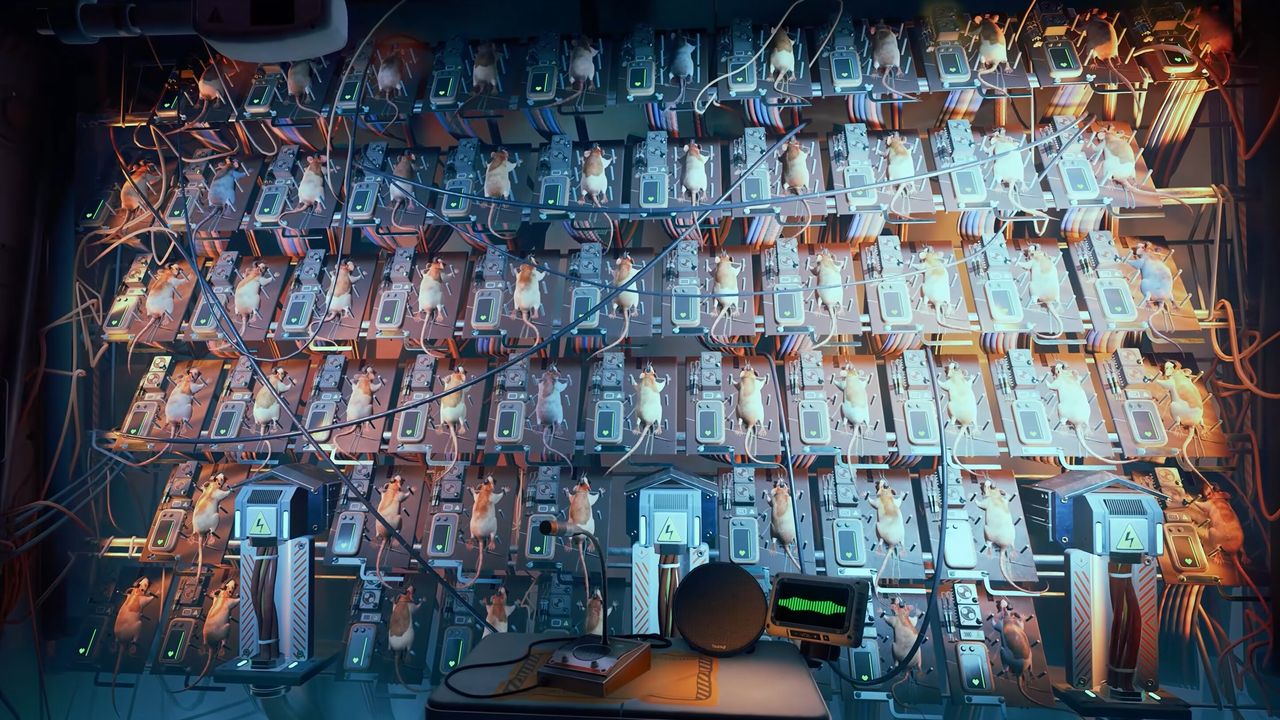
In a potentially grim future scenario, the RAMpocalypse seems to persist, pushing developers to explore unconventional forms of computer memory. Frictional Games, known for their Amnesia series, has created a new game called Ontos, which showcases a particularly unsettling vision of the hardware crisis. In the game's trailer, a man with electrodes implanted in his head is strapped to a chair, while a massive wall-mounted computer is powered by 60 connected rats.
This bizarre rat computer system has left viewers simultaneously intrigued and frightened, prompting a thought-provoking YouTube description that asks if players should follow the instructions, seek an alternative approach, or sabotage the experiment. The developers remind players that there is no right or wrong solution in Ontos, but they hope the message is clear: we must avoid this dystopian future.
Ontos is set to release next year and may provide a more engaging gaming experience compared to Frictional Games' previous title, Amnesia: The Bunker, which received a high rating of 93%.
Written by urgent.news from PC Gamer's reporting — not their text. Machine-written — may contain errors; check the original before relying on it.