The engineer racing to run the world’s most dangerous algorithm
Craig Gidney is largely unknown outside of quantum computing, but his pioneering work on quantum circuits could have huge consequences for us all, ushering in both useful quantum computers, and the end of digital privacy and security as we know it
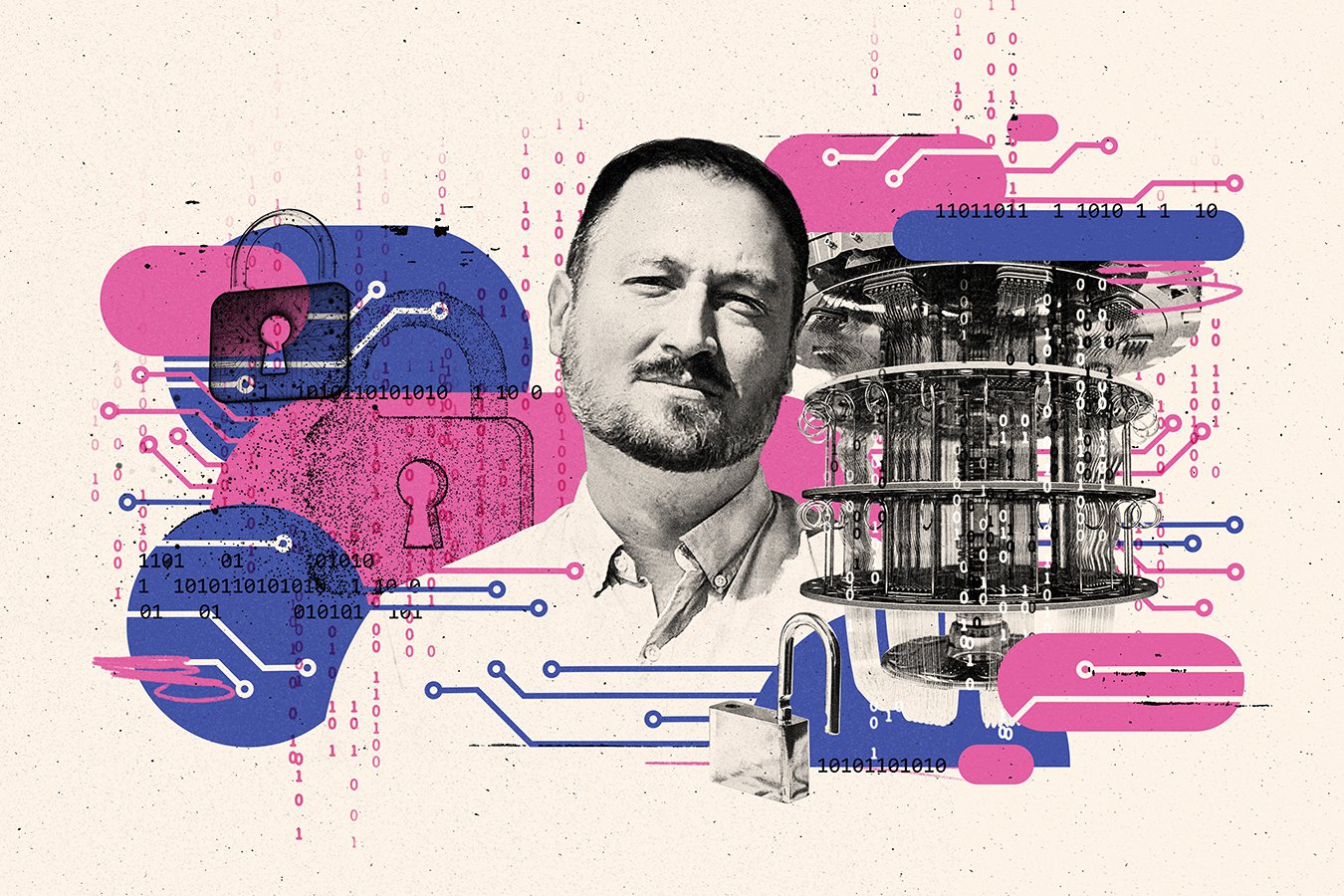
Craig Gidney, a quantum computing engineer at Google Quantum AI, has been working on a crucial task that could bring the world's most dangerous algorithm to reality. This algorithm, known as Shor's algorithm, has the potential to make online encryption vulnerable and could lead to what is known as Q-Day. To make this algorithm feasible, Gidney has been working on optimizing it for smaller quantum computers, which are more attainable with current technology.
Gidney's interest in quantum computing goes beyond the machines themselves; he sees them as a way to tap into the fundamental structure of reality. His primary goal is not to unleash chaos, but to prove that quantum computers can work and to inform cryptographers on how to protect us from potential threats. Shor's algorithm is considered the clearest route to demonstrating the potential of quantum computers, as it is the only algorithm that a quantum computer could run.
Gidney hopes that successfully implementing Shor's algorithm will have a broader impact on making quantum computers more useful for various tasks, including drug discovery and materials science. However, there is also a dark side to Shor's algorithm, raising concerns about its potential misuse. Despite this, Gidney remains focused on proving the viability of quantum computers and informing the cryptographic community on how to stay ahead of potential threats.
Written by urgent.news from New Scientist's reporting — not their text. Machine-written — may contain errors; check the original before relying on it.