The County Prosecutors Who Became ICE Informants
Illinois prosecutors shared defendants’ personal data with federal immigration agents without criminal warrants, public disclosure, or legislative oversight.
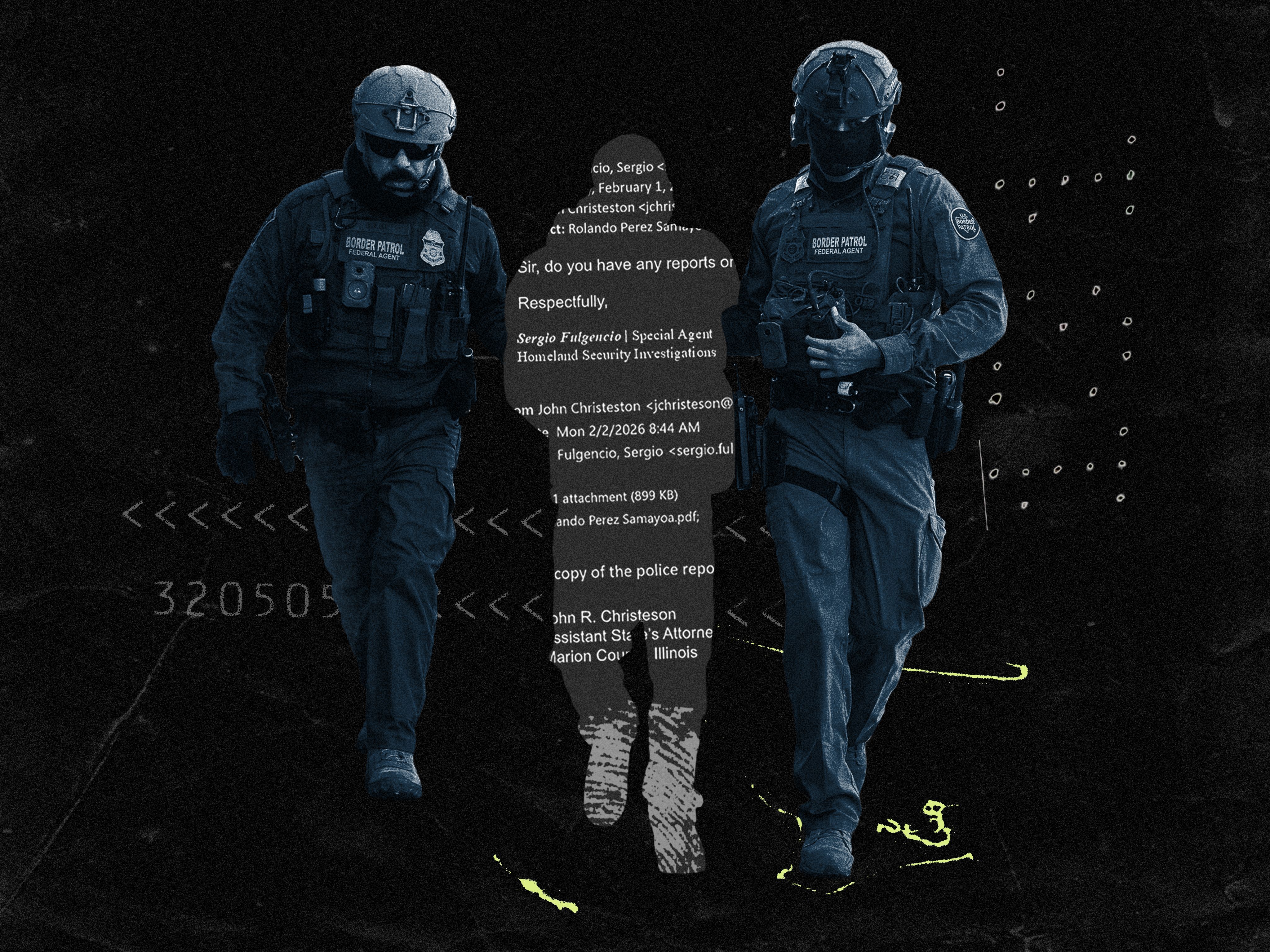
Rolando Perez Samayoa sought safety in the United States after fleeing violence in Mexico. He had believed Illinois, with its 2017 TRUST Act, would provide sanctuary. Samayoa worked in a factory in southern Illinois before a DUI arrest led to further interactions with authorities. In January, prosecutors in Marion County contacted Homeland Security Investigations (HSI) regarding Samayoa's personal details and court dates.
Federal agents then apprehended Samayoa and his 17-year-old son. This incident is part of a pattern of collaboration between Illinois county prosecutors and federal immigration agencies. Among 6 out of every 6 Illinois counties, state's attorney offices have served as valuable assets for federal immigration enforcement. They shared sensitive personal information about prosecuted individuals without criminal warrants, public disclosure, or legislative oversight.
Sometimes prosecutors proactively shared information, while other times they complied when federal agents requested it. These actions occurred without the knowledge of defendants or their attorneys. The TRUST Act prohibits police from helping federal agents deport people without a federal criminal warrant. However, its applicability to prosecutors and their staff remains unclear.
Since Trump's re-election, immigration enforcement has intensified, with ICE displaying its operations more prominently. Illinois, a large sanctuary state often seen as a national model, has barred local police from assisting with federal immigration enforcement. Yet, the extent of prosecutor collaboration in Illinois raises questions about the effectiveness of state laws in protecting immigrants.
Injustice Watch examined over 5,000 pages of internal emails and case files from all 102 Illinois state's attorney's offices, drawing from federal and circuit court records. These documents reveal that prosecutors shared more than just names and court dates. They also provided photographs, home addresses, and precise court and jail release times, enabling ICE to make arrests.
While some offices did not respond to Freedom of Information Act requests, others did after legal action. The written record may not capture all interactions. Prosecutors claimed they had no record of contact with ICE, with at least one actively avoiding such interactions. These choices had significant consequences, as people flagged to ICE were detained and deported, leading to family separation.
DHS declined to comment on its procedures for working with local officials in Illinois. Advocates, like Antonio Gutierrez, who helped establish the TRUST Act, expressed disappointment that the trust placed in local police and prosecutors was unwarranted.
Written by urgent.news from Wired's reporting — not their text. Machine-written — may contain errors; check the original before relying on it.