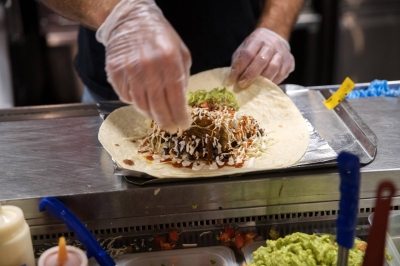
The $20 burrito debate is a sign of inflation fatigue
The pain is most noticeable in the produce section, where the past six months have been marked by a succession of price spikes in tomatoes, lettuce and currently apples.
Food inflation continues to burden American households, with supermarket prices soaring well above the historical average, as reported by the latest Consumer Price Index. The impact extends to restaurant prices as well. The most evident signs of this inflation can be found in grocery stores, particularly in the produce aisle, where consecutive price surges in tomatoes, lettuce, and now apples have been observed.
Prior to that, coffee, beef and, in a nostalgic nod to the past, eggs experienced similar price hikes. These fluctuations may appear isolated, but they are part of a larger trend. The lettuce industry suffered due to a heatwave in Arizona, which increased prices before Cyclospora, a parasite, caused a decline. Beef prices were inflated by the presence of the New World screwworm cattle parasite.
Florida’s tomato crop faced a cold snap, leading to higher prices. However, these are not isolated incidents but rather a result of poor policy decisions made during the Trump administration. These policies made producers and distributors of these products more vulnerable to external shocks. Once the prices were passed on to consumers, companies were hesitant to reduce them once the shock subsided.
As a result, consumers are experiencing inflation fatigue, as they grapple with the persistent rise in prices.
Written by urgent.news from Japan Times's reporting — not their text. Machine-written — may contain errors; check the original before relying on it.