Smart glasses are everywhere: How a new wave of apps make it easier to spot them
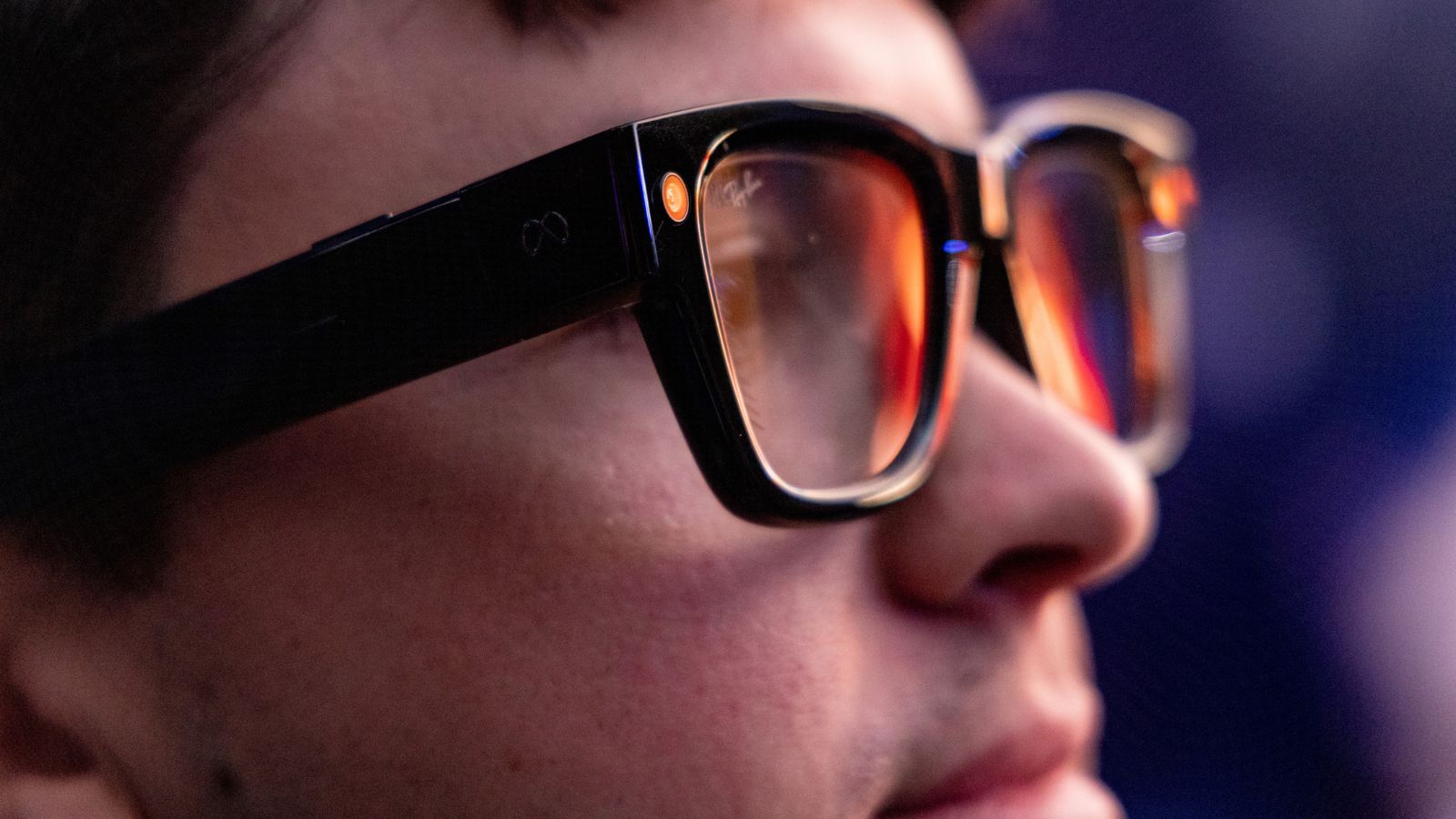
The rise of camera-equipped, AI-powered smart glasses has brought forth numerous privacy concerns, but developers are now tackling an immediate issue: alerting users when they are being recorded by these devices. An iOS app called Zuckoff has gained traction in recent weeks, offering a detection tool for nearby Ray-Ban Meta glasses, Snap Spectacles, and similar hardware.
The free app notifies users when someone wearing smart glasses enters the room and how close the device is, though it cannot determine if someone is actively recording or using AI via the glasses.
Zuckoff joins a growing number of apps catering to this need, such as Antizuck Smart Glasses Scanner and Nearby Glasses. The surge in popularity of such apps comes amid growing public backlash against camera-equipped AI wearables, particularly devices like Ray-Ban-Meta AI glasses, which have been derided as 'pervert glasses' due to their potential surveillance capabilities.
Smart glasses can record, stream, and process video without alerting anyone nearby, leading to instances where people use them to record pranks or harass women without consent. Developers like Pawel Szydlowski, who created Zuckoff, argue that the lack of privacy features in smart glasses has led to a need for detection apps.
Despite the emergence of privacy-friendly smart glasses, such as Even Realities' G2 model, which lacks cameras and speakers, users have found ways to disable the LED indicators that alert others when recording. The Zuckoff app uses Bluetooth technology to detect nearby devices and apply it to smart glasses, leveraging local Bluetooth frequencies and hardware signatures.
However, the signal strength only provides a rough distance and no specific direction, and smart glasses' Bluetooth frequencies are loudest during power-on, pairing, or removal from their case.
While detection apps like Zuckoff offer some relief, their limitations remain. They only send alerts that smart glasses are nearby, leaving users unsure of what they can do with this information beyond leaving the location. The app's popularity, with over 2,000 sign-ups in just a few weeks, is evident, and a paid subscription option allows continuous detection checks in the background. However, privacy-friendly smart glasses and potential hardware solutions from companies like Apple remain to be seen.
Written by urgent.news from The Indian Express's reporting — not their text. Machine-written — may contain errors; check the original before relying on it.