Sicilia, 1,8 miliardi per una rete che non regge la corsa delle rinnovabili
Il piano E-Distribuzione vale quasi l’80% in più del precedente: media e bassa tensione sotto pressione tra nuovi impianti, inversione dei flussi e blackout estivi
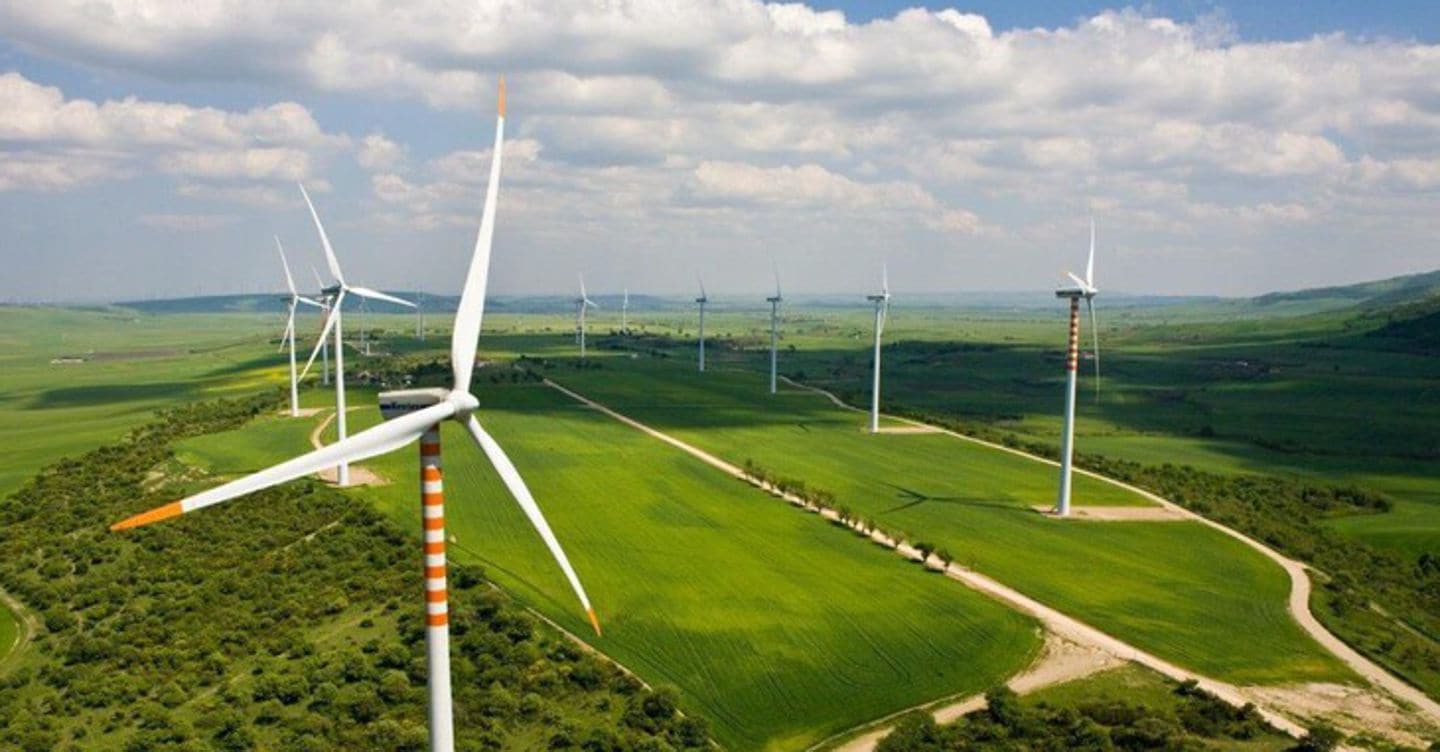
Sicily is racing towards renewable energy, but the network tasked with collecting and distributing the power has yet to keep pace. This transition forms a crucial part of the island's energy transformation. E-Distribuzione, a key player in the project, is allocating nearly 1.8 billion euros over the 2026-2028 triennium, representing nearly an 80% increase from the previous program.
This figure underscores the strain on Sicily's medium and low-voltage network. The bottleneck, however, extends beyond the main grid. Terna is investing in high and ultra-high voltage, as well as interconnections, as part of a multi-year plan worth around 3.5 billion euros for Sicily. Nevertheless, the energy generated by new solar and wind plants must still be fed into and managed through the local network, including primary cabinets, medium-voltage lines, secondary primary and low-voltage cabinets.
A map published by E-Distribuzione highlights the issue, with the majority of Sicily falling into medium and high criticality areas, predominantly marked in red in the Trapani, Agrigento, Nisseno, and Enna regions, as well as extensive parts of the Ragusa and Syracuse districts. Palermo, Messina, and much of the Catanese show predominantly orange, indicating medium criticality.
This shift is also evidenced by the inversion of energy flow, a phenomenon expected to become more frequent. Traditionally, the network was designed to operate in one direction, with electricity flowing from large power plants to cabinets and then to homes and businesses. However, with the widespread adoption of solar and wind energy, there are instances where electricity flows back from the local network to the primary cabinet and then to the national grid.
While inversion is not inherently problematic, frequent occurrences strain infrastructure built for different production conditions. New cabinets, stronger lines, more powerful transformers, and digital control systems are necessary to handle bidirectional flows and large amounts of energy often not accounted for during the original network design.
In 2025, inversion of energy flows affected dozens of Sicilian primary cabinets, from Agrigento to Gela, Calatafimi, Enna, Partinico, Ragusa, Vittoria, Augusta, Priolo, and Trapani. In many cases, this inversion happened for over 5% of the year. This doesn't necessarily mean the cabinets are overloaded, but it reflects how much the network's operation has changed.
Blackouts in the hottest weeks have affected various areas of the island, with immediate causes varying from high temperatures, increased energy demand, and strain on cables and components. However, the structural problem remains common. The medium and low-voltage network must now simultaneously support rising consumption peaks and distributed generation that, during peak generation hours, can reverse the normal energy flow.
This network was designed for conditions different from those it now faces, with the 1.8 billion euro program arriving as more installations are connected, capacity requests grow, and new industrial sites and mobility-related demands emerge. The network is no longer just delivering energy to end-users; it must also receive energy from thousands of producers, redistribute it, and, when there's excess, send it upstream.
Both the structural nature of the problem and the need for such interventions are acknowledged by the Region, which allocated 80 million euros from the Fesr fund in March for network construction, adaptation, and enhancement, aiming to overcome electrical system criticalities and increase renewable energy integration capacity. The bidding authority, led by Carmelo Frittitta, is expected to publish the grading results by September, with many projects already visible in E-Distribuzione's 2025 development plan, including new primary cabinets, medium and low-voltage line extensions, transformer replacement and reinforcement, line cross-laying, and secondary cabinet digitalization. Some works, however, remain under construction, delayed, or postponed.
Written by urgent.news from Il Sole 24 Ore's reporting — not their text. Machine-written — may contain errors; check the original before relying on it.