SEA’s stablecoin boom has a dollarisation problem nobody’s pricing in
Every fortnight brings a fresh headline: another Southeast Asian fintech bolting stablecoin rails onto its payment stack, another central bank issuing a licence, another founder claiming to have solved remittances. The global stablecoin market has crossed roughly US$300 billion in market capitalisation, with transaction volumes running into the tens of trillions of dollars annually, a […] The…

Every fortnight brings new headlines about Southeast Asian fintech companies adopting stablecoin technology for their payment systems. The global stablecoin market now has a market capitalization of around US$300 billion, with transaction volumes reaching tens of trillions of dollars annually. Southeast Asia is considered the epicenter of this growth, with the region moving US$12.5 trillion in stablecoins in 2025 alone, a 67% increase from the previous year. Over 43% of B2B cross-border payments in Southeast Asia now use stablecoins.
The industry touts stablecoins as a solution for cheaper remittances, faster settlements, and financial inclusion for the unbanked. In the Philippines, with over 10 million overseas workers, remittance corridors move close to US$40 billion a year. Traditional remittance services charge around 8.3% globally, while stablecoin transfers can be as low as 0.1%. This significant difference in costs benefits migrant workers.
Singapore has become a hub for formalizing remittances using stablecoins. The Fazz Financial Group's StraitsX issues XSGD and XUSD and controls more than 70% of the non-USD stablecoin market in Southeast Asia, with over US$18 billion in cumulative on-chain volume. StraitsX has integrated XSGD into GrabPay and partnered with KBank in Thailand, expanding its services to Taiwan and Japan.
The remittance impact of stablecoins is staggering. In Singapore-Indonesia corridor, around US$45 billion a year in cross-border flows, 89% of which are B2B, are processed. Six countries, six regulatory approaches. Singapore's MAS has a clear licensing pathway, the Philippines' BSP views stablecoins as a remittance-cost solution, and Indonesia's OJK and Bank Indonesia treat crypto assets as commodities.
Vietnam presents a unique case. The State Bank of Vietnam does not formally recognize crypto as a payment instrument, yet Vietnam is one of the most active markets in terms of cryptocurrency usage. Informal transfers using USDT already function as a payments system that doesn't officially exist, with a regulatory framework expected later this year.
The problem lies in the fragmentation of the stablecoin market across the region. Each country has its own regulatory philosophy and speed of implementation. A single stablecoin payments product across the region is not as straightforward as it may seem. The investors' pitch decks often overlook the challenges of navigating this patchwork of regulations, AML expectations, and the informal nature of some markets, like Vietnam's.
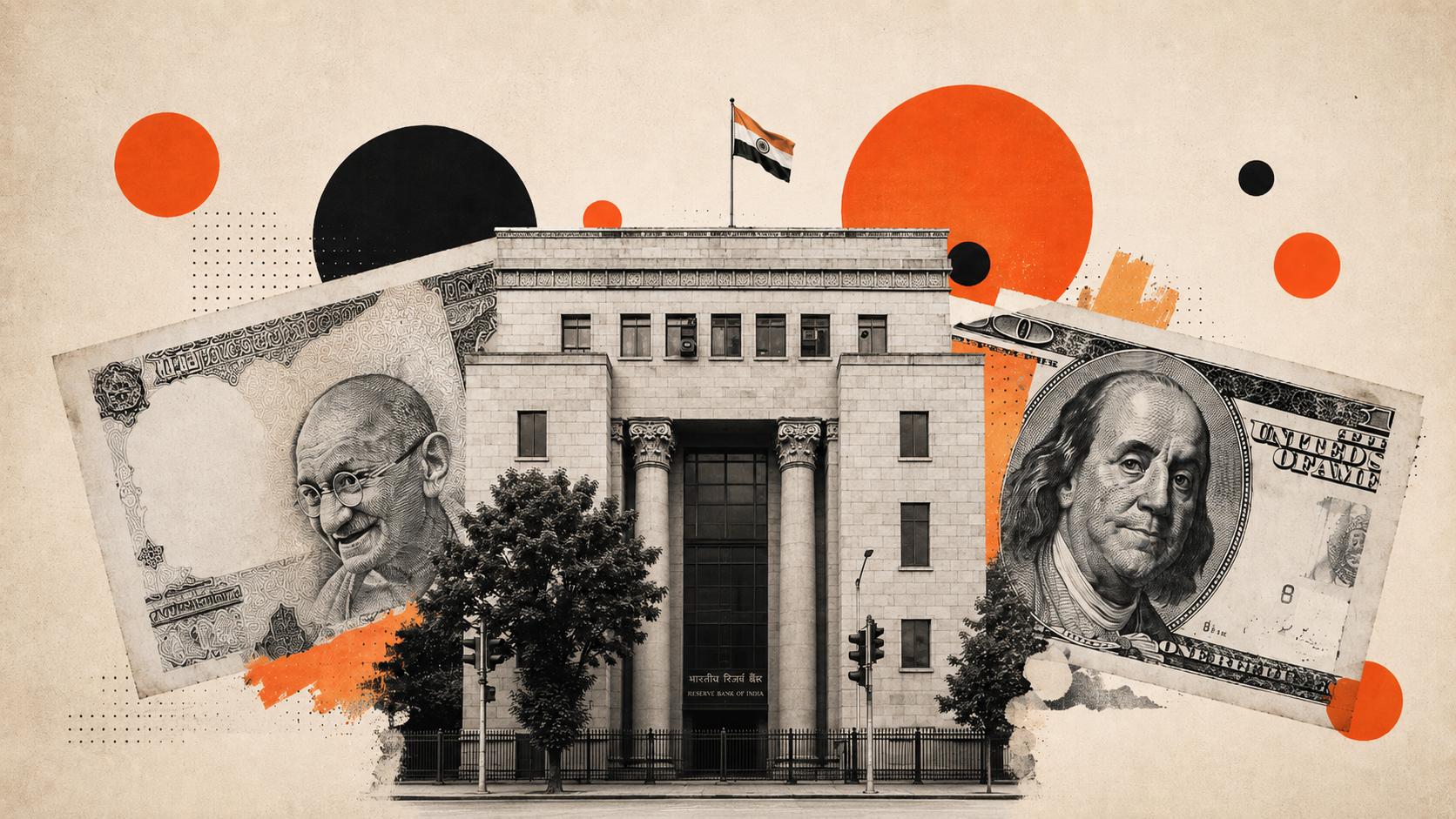
While stablecoins offer many advantages, there is a growing concern about the potential for dollarization. Almost all stablecoins in these corridors are pegged to the US dollar. The Bank for International Settlements has warned that this could lead to a new form of dollarization, allowing residents of emerging economies to shift savings and payments into dollar tokens instantly and anonymously.
The IMF has expressed concerns about the potential for heavy dollar-stablecoin adoption to erode central bank control over interest rates and money supply, reduce government seigniorage revenue, and facilitate capital flight during crises. Central bank officials, such as Isabel Schnabel from the European Central Bank, have warned that stablecoin usage could further cement the international dominance of the US dollar, potentially at the expense of smaller currencies.
Written by urgent.news from e27's reporting — not their text. Machine-written — may contain errors; check the original before relying on it.