Rupee may cling to subdued rhythm, improved portfolio inflows lend support
The rupee is expected to open in the 95.70-95.75 range, per traders, having settled at 95.7450 to the dollar on Monday
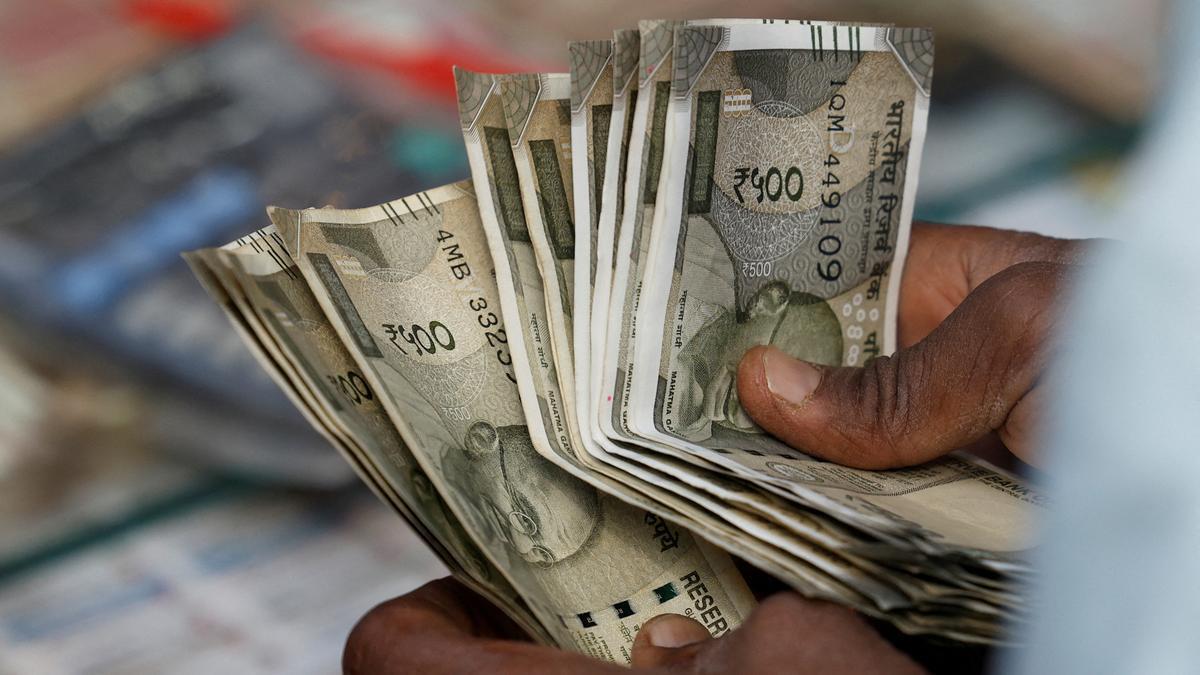
The Indian rupee is anticipated to maintain a subdued trading pattern on Tuesday, with traders anticipating the central bank to counter pressure on the currency. Simultaneously, a slight uptick in portfolio inflows is projected to provide assistance. The rupee faces persistent challenges from hedging demands by local companies and the maturity of derivative contracts, compounded by high oil prices.
Preliminary estimates suggest the rupee will open at 95.70-95.75 per dollar, following its Monday settlement at 95.7450. Ongoing central bank interventions have kept the rupee among Asia's calmer currencies, hovering within a narrow range of 95.45-95.75. "Any dips in USD/INR persistently see corporate bids, while gains are firmly capped by the RBI," noted a trader at a state-run bank.
The inflow of foreign portfolio investments, totaling over $2.5 billion in August, has acted as a stabilizing influence for the rupee. This represents an increase from $2.1 billion in July and marks a reversal of nearly $28 billion in outflows over the past four months. Meanwhile, other Asian currencies largely remained within a limited range.
The U.S. dollar faced difficulties sustaining its gains against major currencies on Tuesday as investors assessed Washington's expanded Iran sanctions and efforts to mitigate the impact on longer-term Treasury yields. In a bid to lower borrowing costs, U.S. Treasury Secretary Scott Bessent announced a broader expansion of sanctions on Iran on Monday.
CNBC reported that the U.S. Treasury might utilize part of its cash reserves to repurchase longer-dated bonds to alleviate borrowing expenses. Experts advise that as geopolitical fragmentation intensifies, countries worldwide may diversify their reserves, trade relationships, and financial interdependencies to avert over-reliance on a single system, such as the current dollar-dominated one.
Written by urgent.news from Hindu BusinessLine's reporting — not their text. Machine-written — may contain errors; check the original before relying on it.