One in 10 people searched for weapons in Qld identified as First Nations
In Queensland, police have the power to randomly stop and search people for weapons. Statistics show who they have wanded.
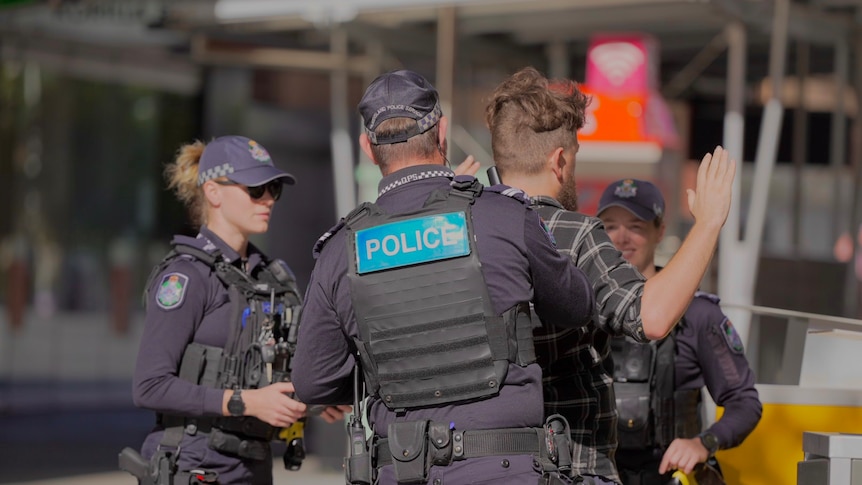
Since July last year, Queensland police have had expanded powers to search individuals for weapons without a warrant. These powers are now permanent and can be applied in public places or designated areas by police. Between July 18, 2025 and June 30, 2026, police conducted 160,997 scans. Of these, 11% of people identified as First Nations, while 49% identified as non-Indigenous.
Thirty-nine percent did not state their Indigenous status or it was not recorded. Greg Shadbolt, principal legal officer of ATSILS for Queensland, expressed concern over these figures, stating that the percentage is two and a half times what one would expect. He attributed the disparity to the need for training and addressing potential cultural stereotyping.
ATSILS is concerned that wanding may contribute to the over-representation of Aboriginal and Torres Strait Islander people in the criminal justice system, contradicting the Closing the Gap targets. George Newhouse, CEO of National Justice Project, echoed Shadbolt's concerns, suggesting that police may be exercising their discretion to target Aboriginal areas or vacuuming up Aboriginal people into the criminal justice system.
The reintroduction of Jack's Law, named after a 17-year-old who was killed by a knife in 2019, has been supported by the government to address knife violence. Since the changes, 2,497 people have been charged with nearly 5,000 offences, and 1,270 weapons have been located. Queensland Police claim the operations are intelligence-led and based on identified risks, not demographic characteristics, and they are committed to ensuring lawful, professional and respectful use of these powers.
Written by urgent.news from ABC News AU's reporting — not their text. Machine-written — may contain errors; check the original before relying on it.