Nuevas normas de tráfico a partir del 1 de octubre: estos son los principales cambios
El Gobierno reforma el Reglamento General de Circulación con normas específicas en vías urbanas e interurbanas, nuevas normas para motoristas, usuarios de bicicletas, patinetes eléctricos y los llamados 'riders' profesionales, además de regular los carriles de emergencia en caso de nevada. Leer
Starting October 1st, new traffic regulations will come into effect, with a focus on enhancing protection for vulnerable road users. These individuals include pedestrians, cyclists, motorcyclists, and personal mobility vehicle operators. The Spanish Ministry of the Interior and the General Directorate of Traffic (DGT) have stated that the objective of this reform is to adapt the regulation to the shift in mobility perception that has occurred over the past 20 years, moving from a focus on the road and vehicles to the people and urban environments.
For the first time, the General Traffic Regulation incorporates a definition of vulnerable road users: those who, due to the means of transportation they use or their physical characteristics, have a higher risk of sustaining severe injuries in the event of a traffic accident. The new traffic rules for motorcycles, mopeds, and cyclists are outlined in Title VI of the regulation, introducing specific traffic rules in urban and interurban roads, new rules for motorcyclists, cyclists, electric scooter users, and professional riders, as well as regulating emergency lanes during snowy conditions.
Six major blocks of changes in the updated Traffic Regulation include:
1. Personal Mobility Vehicle Operators: The minimum age for operating a Personal Mobility Vehicle has been fixed at 15 years. Operators must wear a protective helmet and reflective jacket when cycling at night or in low visibility conditions. Professional operators must wear a helmet at all times, and those operating commercial vehicles must use a helmet and reflective jacket at all times.
Failing to comply is a serious offense with a financial penalty of 200 euros. Additionally, these vehicles must have lighting always switched on. Outside urban areas, Personal Mobility Vehicles may be allowed on lanes designated for motor vehicles, such as bicycle lanes or cycle tracks.
2. Cyclists: The exemption for cyclists to wear a helmet has been removed, and all cyclists must wear a helmet on interurban roads. Professional cyclists (riders) must always wear a protective helmet and reflective jacket. Both scenarios are serious offenses with a financial penalty of 200 euros. Motorists should reduce their speed by at least 20 kilometers/hour when overtaking cyclists on interurban roads.
In multi-lane roads, when overtaking cyclists, motorists must change lanes and maintain a minimum 1.5-meter separation. In single-lane urban roads, cyclists should stay in the center of the lane to improve their safety. Motorists must maintain a minimum 5-meter distance from cyclists in front of them if they are in the same lane.
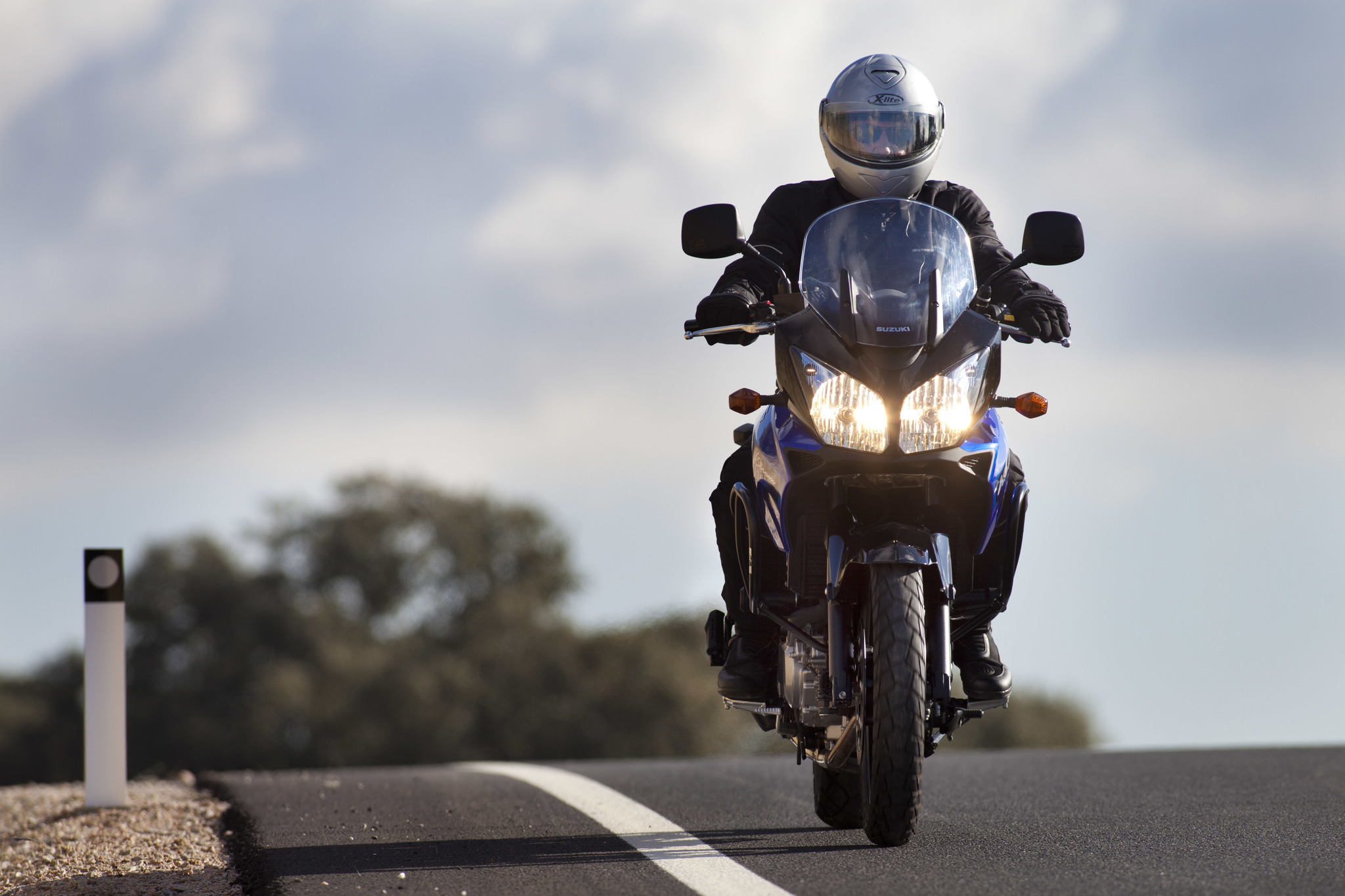
3. Motorists: Wearing protective gloves is now mandatory for motorcyclists and their passengers on interurban roads, while closed footwear is required in all types of roads. Both are serious offenses with a financial penalty of 200 euros. Motorcycles can use the right lane during congestion, with a maximum speed of 30 kilometers/hour and prior signage.
Protective helmets for motorcyclists must be officially approved and not just certified. Professional riders must wear a reflective jacket at all times. Failure to comply is a serious offense with a financial penalty of 200 euros.
4. Equipment: The use of seat belts has been made mandatory for drivers and passengers in taxis, goods vehicles, and driving training vehicles in urban and interurban roads. Failure to comply is a serious offense with a financial penalty of 200 euros. Ambulance operators will have a legal entity status, defined as a specific set of roads equipped by the competent authority to facilitate walking to schools for children and young people.
Parking maneuvers for coaches are regulated, prohibiting any elements extending beyond the vehicle's perimeter.
Please note that the information provided is based solely on the facts, names, figures, and dates presented in the source and does not include any speculation or personal opinions.
Written by urgent.news from Expansion ES's reporting — not their text. Machine-written — may contain errors; check the original before relying on it.