No supplements needed: 6 everyday habits that may help you live longer
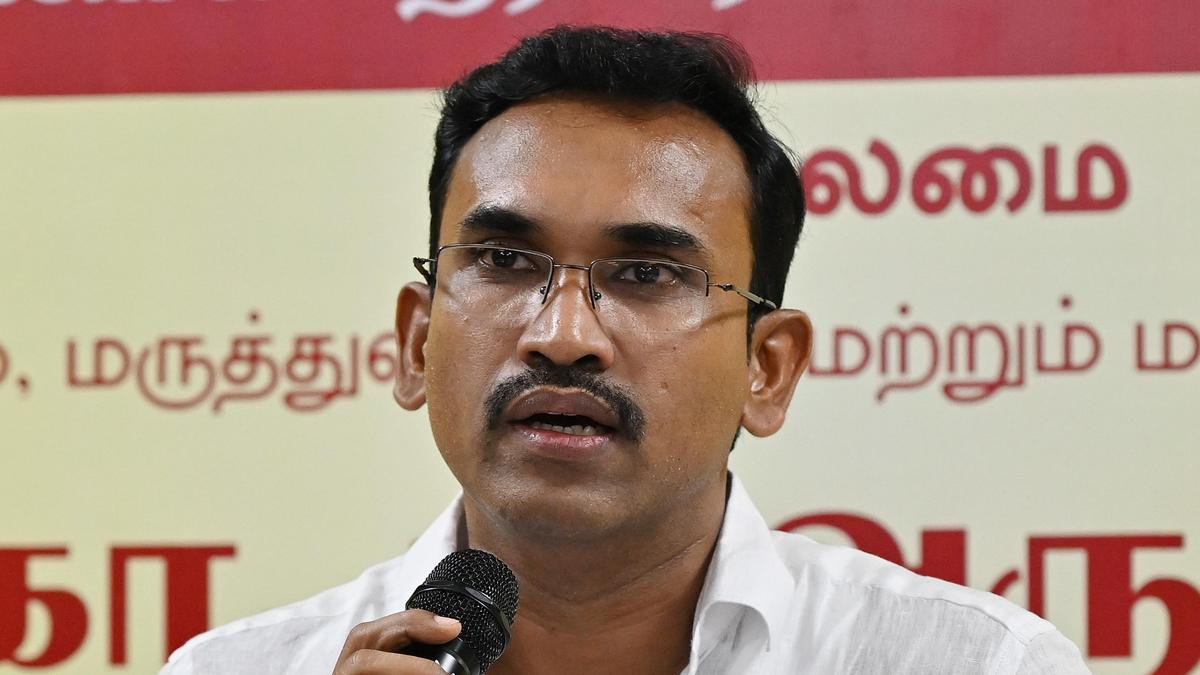
Living a long life doesn't necessarily require expensive supplements or complicated routines, as many factors linked to longevity are quite ordinary. Dr. Sudhir Kumar outlined a science-backed approach to longevity that focuses on simple lifestyle habits, such as regular movement, good sleep, and smart work patterns.
Running, for instance, has been shown to lower the risk of dying from any cause by 27%, cardiovascular death by 30%, and cancer death by 23%, even with just 50 minutes of exercise per week. The intensity of the run isn't as critical as consistency, as even a brisk 11 MET-hours/week (roughly 25-30 km at a brisk pace) can reduce all-cause mortality risk by 11%, with faster walkers having a 43% lower mortality risk than the slowest.
Walking is another essential habit with a significant impact on longevity. People who average 7,000+ steps per day have a 50-70% lower mortality risk compared to those who take fewer than 7,000 steps. While 10,000 steps per day might seem like a magic number, the optimal range is actually between 7,000 and 10,000 steps, supported by robust research.
Strength training, even just 60 minutes per week, can lower the risk of all-cause mortality by 27%. This amount of exercise is typically achievable with two short sessions per week. The benefits of strength training plateau after this point, meaning that more isn't always better.
Sleep plays a crucial role in longevity, with 7 hours being the ideal amount to reduce mortality risk. Sleeping less than 5 hours increases the risk of early death by 40%, while both too little and too much sleep contribute to a U-shaped mortality risk curve. Long working hours also pose a significant threat to health, with those working 55+ hours per week facing a 35% higher stroke risk and a 17% higher risk of dying from heart disease compared to those who work 35-40 hours per week.
Written by urgent.news from The Indian Express's reporting — not their text. Machine-written — may contain errors; check the original before relying on it.
Also reported by 1 other outlet
- No supplements needed: 6 everyday habits that may help you live longer indianexpress.com