NHS England to offer women ‘gamechanging’ free home testing kits for cervical cancer
NHS has target of eliminating the cancer by 2040, but up to 4 million eligible women are not up to date with screening Millions of women in England who have missed cervical screening appointments will be offered free home testing kits on the NHS. The move comes amid concerns that only two-thirds of women attend in-person cervical screening appointments when asked to do so, leaving as many as 4…
NHS England announces free home testing kits for cervical cancer prevention
The National Health Service (NHS) plans to provide millions of women in England with free home testing kits for cervical cancer. This move aims to improve screening rates and ultimately eliminate the disease by 2040. Currently, only two-thirds of women attend cervical screening appointments, leaving about 4 million women not up to date with their tests.
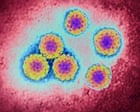
The kits contain a swab to collect a sample from the vagina, which is then mailed to the NHS for testing in laboratories for high-risk human papillomavirus (HPV). If high-risk HPV is detected, patients will be invited to a cervical screening appointment with a clinician. HPV is a sexually transmitted virus that can cause no symptoms but is responsible for 99.7% of cervical cancers.
Starting Tuesday, eligible women aged 30 to 65 who have missed screening appointments will receive invitations via the NHS app, text message, email, or letter. They can order a kit through the app or website. The initiative aligns with the NHS's goal of eliminating cervical cancer by 2040.
Dr. Sue Mann, national clinical director for women's health at NHS England, stated that screening saves thousands of lives annually by preventing and early-capturing cancers. However, only around two-thirds of women attend cervical screening appointments when invited. Offering women an alternative, at-home testing option will make it easier for them to get tested for HPV.
Athena Lamnisos, chief executive of the Eve Appeal, and Michelle Mitchell, chief executive of Cancer Research UK, welcomed the move, emphasizing that self-testing at home would be a "step-change" for many women. Yvette Cooper, the health secretary, stated that the aim is to make it as easy and convenient as possible for women to stay up-to-date with their screening, acting as early as possible to prevent preventable deaths.
Written by urgent.news from Guardian Health's reporting — not their text. Machine-written — may contain errors; check the original before relying on it.
This story
This is one outlet's version. Read the fullest account.