National Assembly told: Private medical colleges bound to follow approved fee structure
ISLAMABAD: The National Assembly was informed on Tuesday that the government had capped annual fees at private medical colleges at Rs 2.1 million and warned institutions against charging more without approval, as lawmakers voiced concerns over the soaring cost of medical education. The House, which resumed its session with Deputy Speaker Ghulam Mustafa Shah in the chair, was told that a standard…
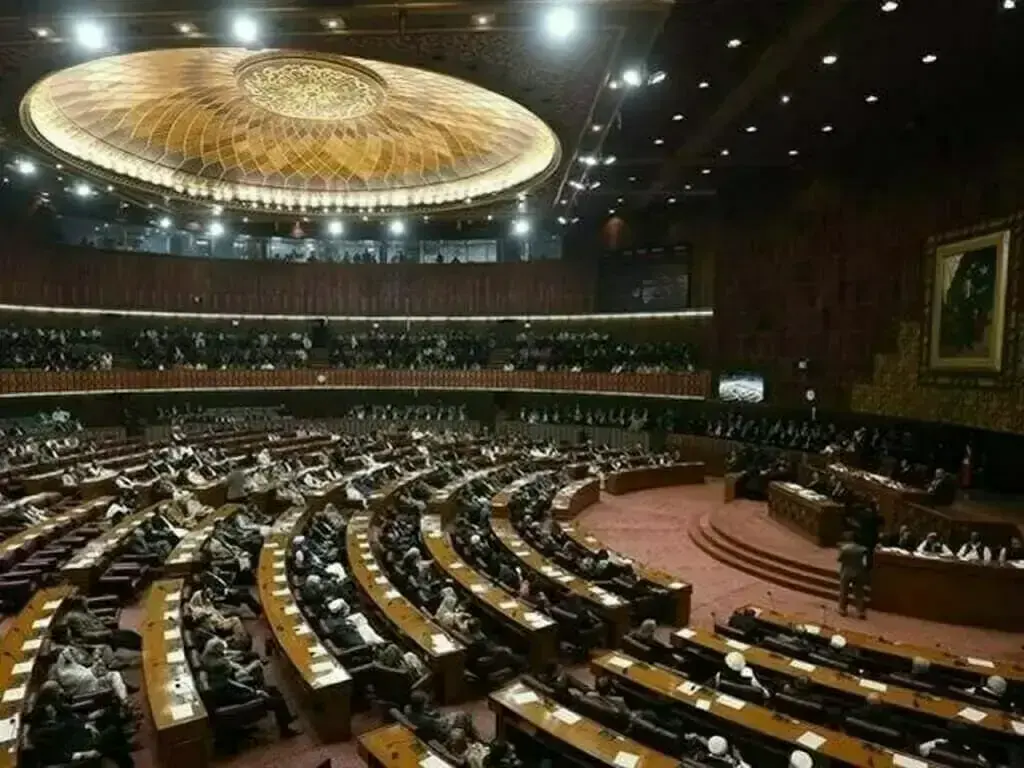
Islamabad: On Tuesday, the National Assembly learned that the government had set a maximum annual tuition fee of Rs 2.1 million for private medical colleges, warning them against charging higher fees without permission. With lawmakers expressing worry about rising medical education costs, the House, led by Deputy Speaker Ghulam Mustafa Shah, heard that a standard fee structure had been imposed following concerns over excessive charges.
Health Minister Mustafa Kamal, responding to a calling attention notice, informed the assembly that a committee established by Prime Minister Shehbaz Sharif had evaluated medical college fees and established the standard structure. The minister noted that private medical colleges comprise 65% of the country's 22,000 medical seats, while the remaining 35% are offered by government institutions.
Approximately 96,000 students took the Medical and Dental College Admission Test (MDCAT) last year, but only around 22,000 were granted admission to medical colleges. Kamal added that many Pakistani students opted for overseas education, particularly in Central Asia, where healthcare standards might not always be satisfactory. The Pakistan Medical and Dental Council (PMDC) had published a list of approved foreign medical colleges to assist students in making informed decisions.
He emphasized that MDCAT-qualified students should be given priority for studying medicine abroad, noting that Pakistani students spend around $800 million annually on medical education overseas. The minister said a three-year moratorium was imposed on new private medical colleges, while government institutions were allowed to expand their intake as infrastructure improved.
Parliamentary Secretary for National Health Services Nelson Azeem stated that the committee had initially fixed the annual fee at Rs 1.8 million per student, but 61 colleges challenged the decision, arguing that they had better facilities, services, and higher operating costs. After reviewing their documentation, the committee permitted 35 institutions to charge Rs 2.1 million.
A portal has been created for students and parents to lodge complaints against medical colleges. Notices were issued to 45 institutions that failed to submit taxes or provide justifications for their fees, and a new committee was formed to enforce penalties against non-compliant institutions. Private colleges were required to adhere to the approved fee structure, with another committee established to deal with non-compliant institutions.
Kamal concluded by stating that students applying to private medical colleges would be allocated government-recognized seats according to their preferences.
Written by urgent.news from Business Recorder's reporting — not their text. Machine-written — may contain errors; check the original before relying on it.