'Nation is not a dharamshala': Shah sets target for illegal immigration-free India
Home Minister Amit Shah has announced a strategic vision to rid India of illegal immigration in the near future. This initiative involves collaborating with border states through a four-pronged strategy aimed at bolstering security. The plan includes the participation of border forces, state administrations, central agencies, and local communities. Shah further highlighted the commitment to…
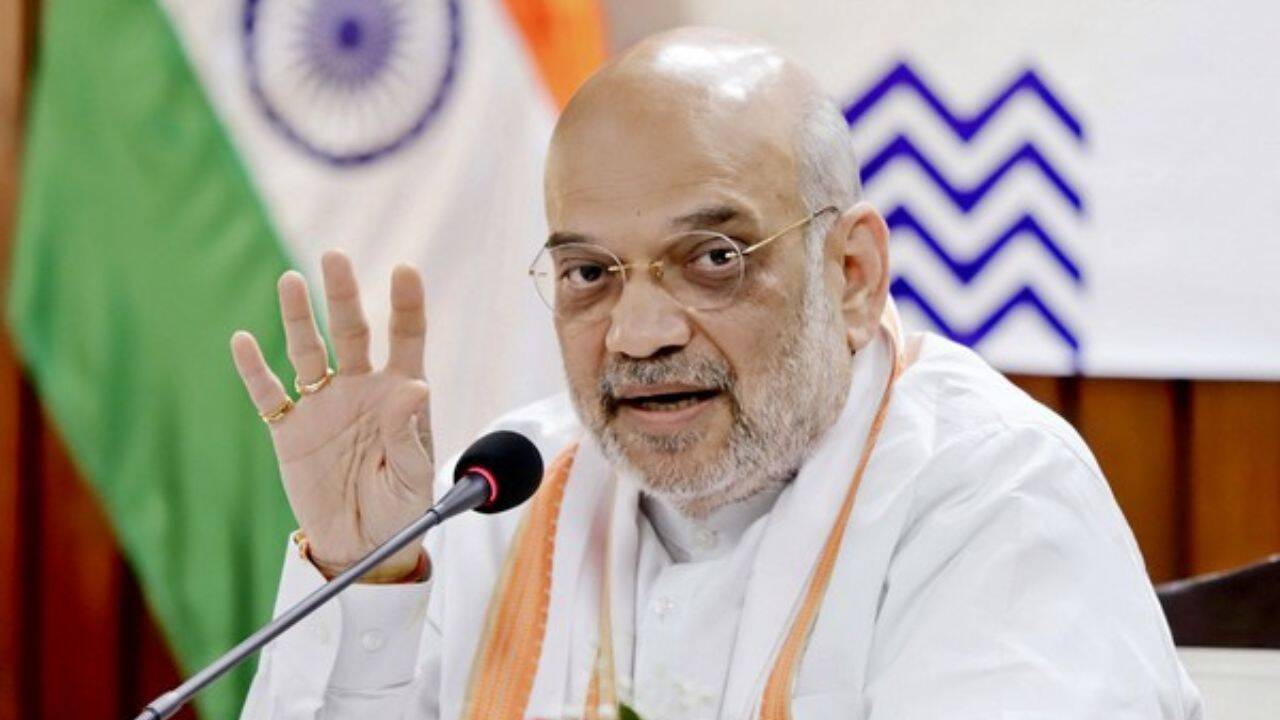
NEW DELHI — Home Minister Amit Shah has set a goal for India to become illegal immigration-free within a "very short period of time," according to his address at the valedictory session of the national security strategy conference (NSSC) held by the Intelligence Bureau. Shah emphasized that the country is not "a Dharamshala," and only citizens have the right to live here, stating that infiltrators pose a threat to the nation's security, economy, and trigger unnatural demographic shifts.
He highlighted that the border states were consulted in drafting a policy for border security, involving border guarding forces, state and district administration, relevant arms of the Indian government, and local citizens.
Shah reiterated that challenges should be identified and addressed before they escalate, calling for a secure, infiltrator-free, and narcotics-free India. He praised the state police forces, central agencies, and Central Armed Police Forces (CAPFs) for eliminating the challenges posed by hotspots such as J&K, Left-wing extremism-hit areas, and the North-East.
Shah also commended the dismantling of the Popular Front of India (PFI) network in a multi-state raid and a subsequent ban, calling it an excellent example of Centre-state coordination.
He emphasized the need to transform the country's first anti-terror doctrine, PRAHAAR, from a document to practice to eradicate terrorism and dismantle the terror ecosystem. Shah stated that the government has strengthened the anti-fugitive drive, deporting 274 fugitives from various countries between 2019 and 2026. He urged all states to work together to bring fugitives back to face justice.
Shah also highlighted global instability, lack of energy security, supply chain disruption, and the increasing radicalization of cyber misinformation as key challenges. He insisted that the security policy consider these challenges and aim to effectively tackle them. The home minister sought cooperation from the states in making India narcotics-free, asking police to implement the Narcotics Control Vision Document 2026-2029 on the ground and work on the three 'D's — detect, disrupt, and destroy — to create a drug-free India.
He urged officers to use integrated data banks such as CCTNS, ICJS, Natgrid, and NAFIS to develop actionable intelligence through data integration, analysis, and identification of modus operandi using AI to prevent future challenges.
Written by urgent.news from Times of India's reporting — not their text. Machine-written — may contain errors; check the original before relying on it.