Myanmar human rights conditions hit new low, says UN
The UN human rights office report, covering June 2025 to May 2026, said unrelenting conflict, military violence and a growing 'conflict economy' were exposing civilians to severe hardship.
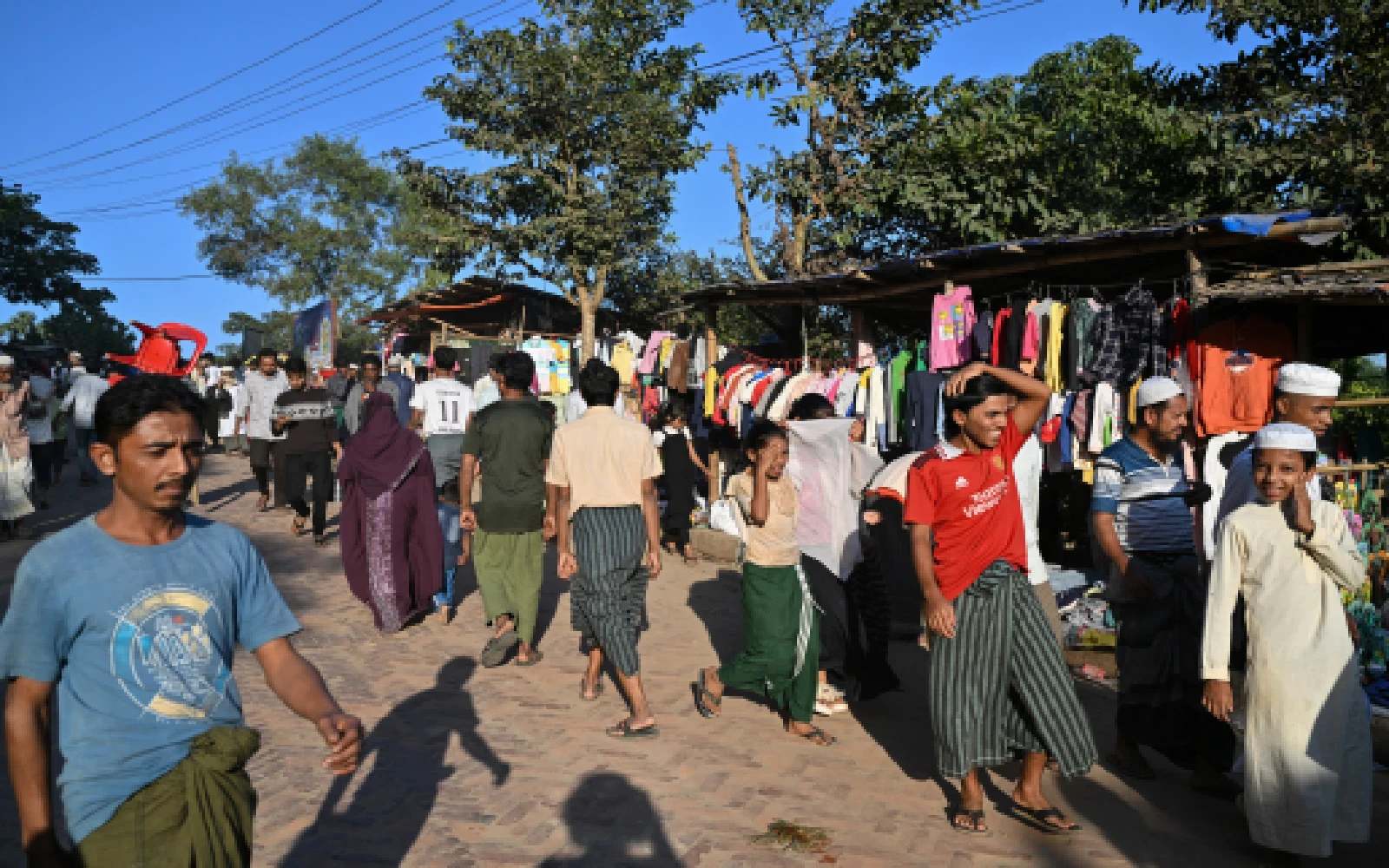
Myanmar's human rights situation has deteriorated to unprecedented levels, according to a report by the United Nations. The UN's assessment, covering the period from June 2025 to May 2026, highlights widespread abuses against the Rohingya minority, a burgeoning illicit economy fueled by illegal rare-earth mining, and the overall suffering of civilians. The conflict, military violence, and the burgeoning conflict economy have exposed civilians to severe hardship.
Both the Myanmar military and the Arakan Army, which currently controls much of Rakhine State, have been accused of committing systematic and widespread violations against Rohingya communities. These violations include killings, torture, forced recruitment, forced labor, arbitrary detention, and displacement. Neither party has responded to requests for comment.
The Rohingya have faced systematic discrimination for nine years since the 2017 exodus, which forced hundreds of thousands to flee. Recent abuses, following the 2021 coup that ousted Aung San Suu Kyi, have seen the military rely on air strikes, arson, and aid restrictions to maintain control. Since the coup, at least 8,075 civilians have been killed, including 1,774 women and 1,074 children. The UN believes the actual toll is likely much higher.
The conflict has led to internal displacement of 3.6 million people, while 12.4 million others face acute hunger. Around 400,000 mothers and children are suffering from acute malnutrition. In northern Rakhine, the Arakan Army is accused of arbitrary arrests, torture, sexual violence, forced labor, and land seizures targeting Rohingya, including blocking their return while resettling non-Rohingya on their lands.
Satellite imagery shows about 2,000 acres seized, with children as young as six used for labor and former detainees reporting torture and deaths in custody.
The report also highlights the rapid expansion of illegal rare-earth mining in Kachin and Shan states. Since 2021, 302 new mining sites have appeared in Kachin, while Shan State saw a surge from 12 sites to 85. The UN says the rare-earth trade peaked at an estimated $1.4 billion in 2023, largely feeding China's market. Toxic runoff from these mines has polluted waterways and farmland, leading to miscarriages and chronic diseases.
Contamination has also reached rivers flowing into Thailand, where tests have detected elevated levels of arsenic, lead, mercury, and manganese.
Written by urgent.news from Free Malaysia Today's reporting — not their text. Machine-written — may contain errors; check the original before relying on it.
This story
This is one outlet's version. Read the fullest account.
- Myanmar human rights conditions hit new low, says UN freemalaysiatoday.com