Minnesota transformed 5,000 acres of old mines into Cuyuna Country
A former Minnesota iron mining area has undergone a remarkable ecological transformation over thirty-three years. Abandoned pits and damaged land now host extensive mountain bike trails and natural shorelines. This restoration effort has revitalized nearby communities and created new outdoor tourism opportunities. The clear, deep mine pit lakes also attract scuba divers and anglers from across…
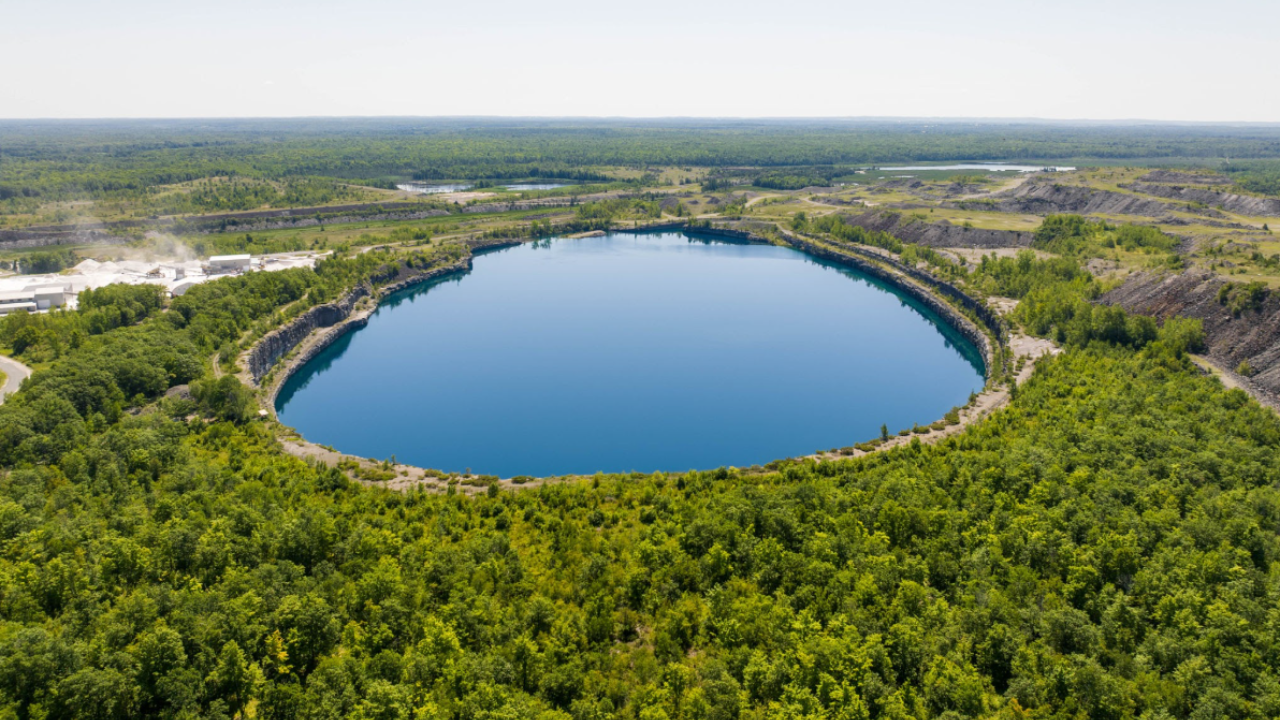
After three decades of oversight by local authorities, a central Minnesota mining hub has undergone a remarkable ecological metamorphosis. In 1993, the Minnesota Department of Natural Resources (MN DNR) took control of 5,000 acres of abandoned iron mines and 15 flooded open pits, establishing the Cuyuna Country State Recreation Area. Now boasting over 50 miles of singletrack mountain bike trails and 25 miles of untouched shoreline, the area has become a major recreation destination.
Initially a bustling industrial mining region from 1900 to the early 1980s, the Cuyuna Iron Range was left with huge open pits, heaps of red earth, and outdated infrastructure after the mines closed. As erosion and safety concerns grew, groundwater and rainwater filled the deep mine pits, transforming them into lakes. The most notable, Portsmouth Mine Pit Lake, became the deepest body of water within Minnesota's borders, reaching depths of up to 525 feet.
In 1993, state lawmakers and conservation groups made it their mission to protect the land from commercial development while restoring the landscape and preserving water quality. The Minnesota DNR created a long-term plan that allowed forests and vegetation to naturally recover, while also opening the area to the public. Local residents recognized the potential of the unusual landscape and saw the opportunity to transform it into a cycling center.
The International Mountain Bicycling Association (IMBA) later recognized the area as an official Ride Center.
With its unique topography created by the old mining waste piles, the recreation area now features various trail systems. Over 50 miles of singletrack mountain bike trails cater to riders of all skill levels, from beginners to experienced downhill cyclists. Seven and a half miles of adaptive trails offer wider routes for handcycles and adaptive mountain bikes, while an 8-mile paved Cuyuna Lakes State Trail connects communities like Crosby, Ironton, and Riverton.
During winter, cyclists can indulge in fat biking on about 40 miles of groomed snow trails. The paved state trail passes through the recreation area, providing visitors with stunning views of the flooded mine pits. In the winter months, the area sees thousands of cyclists from across the Midwest, contributing to the region's growing outdoor tourism and creating new opportunities for local businesses such as bike shops, hotels, and cafes.
Beyond cycling, the recreation area offers other attractions that make it a unique destination. The deep mine pits and lack of fine sediment have resulted in unusually clear lakes, with water visibility often exceeding 30 feet. This has made the area a popular spot for scuba diving, attracting enthusiasts from across the Midwest.
The Minnesota DNR manages 25 miles of shoreline around six natural lakes and 15 mine pit lakes within the recreation area, providing fishing opportunities for rainbow trout, northern pike, smallmouth bass, and walleye.
Public boat launches and kayak access points further enhance the area's appeal, allowing visitors to explore the lakes and shorelines without large commercial developments. The 25-site Portsmouth Campground provides additional options for staying close to the lakes, ensuring that the area remains largely non-commercial and preserving its natural beauty for future generations.
Today, the Cuyuna Range stands as a testament to the successful restoration of land impacted by industry, showcasing how former mines can be repurposed into a public recreation and ecological asset.
Written by urgent.news from Times of India's reporting — not their text. Machine-written — may contain errors; check the original before relying on it.