Mining communities deserve greater influence in policy decisions – Academic
Dr Clement Sefa-Nyarko, Project Lead on Justice in Critical Minerals Governance and Energy Transition, has called for stronger community participation in mineral extraction decisions. The post Mining communities deserve greater influence in policy decisions – Academic appeared first on Ghana Business News .
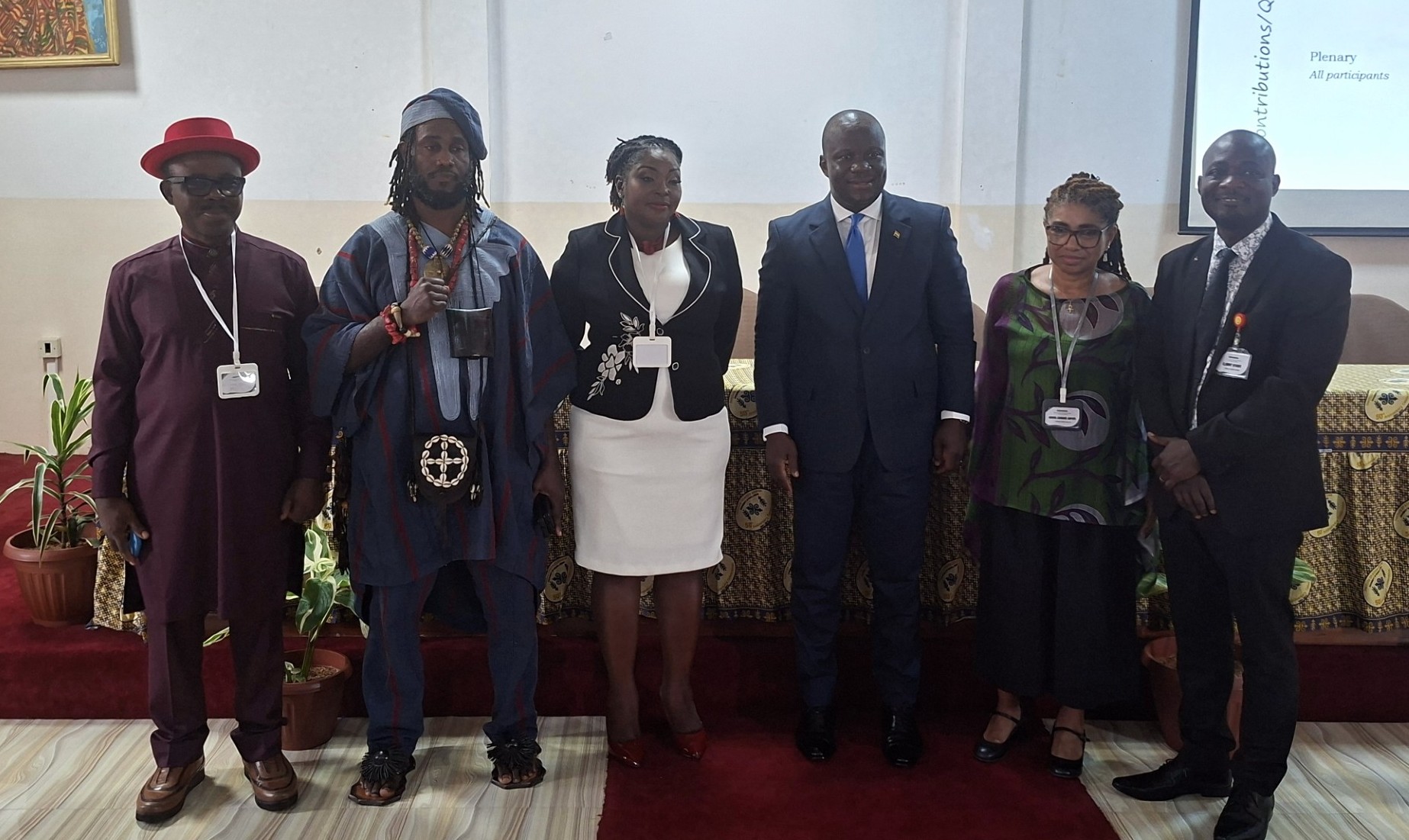
Dr Clement Sefa-Nyarko, the Project Lead on Justice in Critical Minerals Governance and Energy Transition, has urged for enhanced involvement of communities impacted by mining activities in policy decisions. He stated that such communities should have a louder voice in matters relating to mineral extraction and governance to ensure justice and equitable development.
This call came during the inauguration of the Political Minerals Governance Transition Project, an international research endeavor involving Ghana, Chile, and Australia. This project aims to explore how different stakeholders, especially those residing in mining regions, view justice in the governance and extraction of critical minerals like lithium, graphite, and cobalt.
Dr Sefa-Nyarko highlighted that while critical minerals have become pivotal to the global shift from fossil fuels to sustainable energy technologies, the viewpoints of host communities in mining areas are frequently overlooked in policy debates. He pointed out that governments, local authorities, and civil society groups often diverge in their conception of justice in resource extraction.
"The primary challenge is that we lack a unified understanding of what justice entails," he remarked. For Dr Sefa-Nyarko, while governments concentrate on economic management to facilitate a seamless transition from fossil fuel-dependent economies, community members prioritize their ability to gain from mining activities conducted on their lands.
"For community members, justice is tied to how they can benefit from the process of transitioning from fossil-based to cleaner technologies," he explained. Dr Sefa-Nyarko also noted that ongoing discussions on extractive justice are predominantly influenced by viewpoints from developed nations, which often fail to integrate the experiences and realities of communities in resource-abundant countries.
"Most of these conceptions of justice are from a Global North perspective. There's usually no comprehensive and unified view of justice that involves everyone," he said. The academic believes the new project will tackle this issue by engaging directly with affected populations and integrating local knowledge into policy discussions.
He emphasized that mining communities in Ghana have historically argued that although they suffer the environmental and social repercussions of extraction, their influence over decisions regarding mining projects is often minimal. Mr Samuel A. Jinapor, the former Minister for Lands and Natural Resources, echoed Dr Sefa-Nyarko's sentiments, emphasizing that dialogues on critical minerals governance must be anchored in justice, particularly for communities bearing the direct consequences of mining activities.
He stressed that mining justice should extend beyond mere compensation to encompass meaningful community participation in decision-making processes. Mr Jinapor stressed that when governance processes are transparent, inclusive, and equitable, mining communities are more inclined to support mining projects. He also highlighted the importance of resource-rich countries maximizing the value derived from their mineral wealth through local participation, value addition, technology transfer, and skills development.
A just energy transition, Mr Jinapor argued, should enable countries like Ghana to transition from merely exporting raw minerals to capturing more benefits along the value chain.
Written by urgent.news from Ghana Business News's reporting — not their text. Machine-written — may contain errors; check the original before relying on it.