Korea's public delivery apps struggle to turn low fees into lasting loyalty
President Lee Jae Myung on Tuesday called for measures that would help public delivery apps become a meaningful counterweight to dominant private platforms whose high fees are considered a burden on small businesses. But despite initially winning users over with cheaper rates, many public apps have struggled to maintain their user base and transaction volume once state subsidies scale back,…
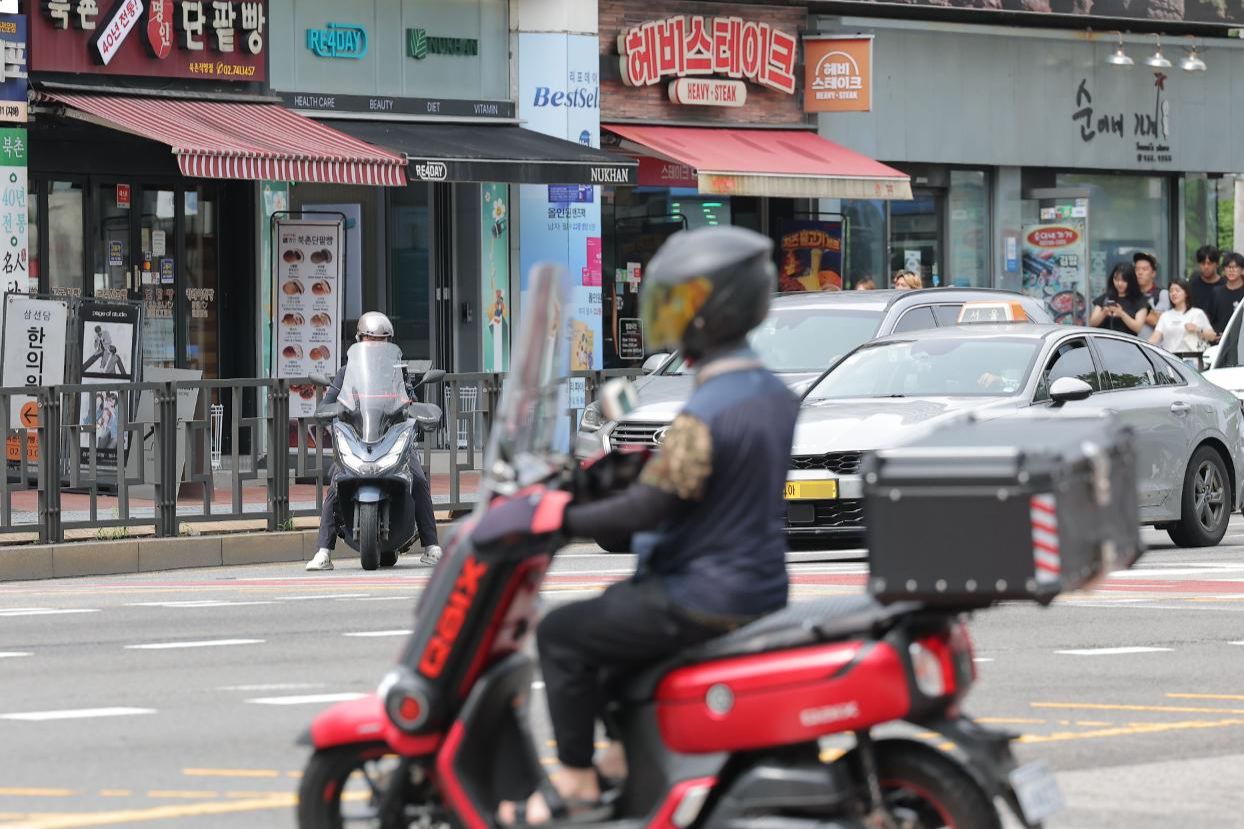
President Lee Jae Myung recently urged the development of public delivery applications as a viable alternative to the dominant private platforms, which he believes impose excessive fees on small businesses. However, despite their initial appeal due to lower prices, many public apps have encountered difficulties in retaining users and transaction volumes once government subsidies diminish, prompting concerns about their potential for long-term sustainability.
During a Cabinet meeting at Cheong Wa Dae in Seoul, Lee emphasized the food delivery market as an "effectively powerful oligopoly," citing that food delivery apps Baemin and Coupang Eats together account for approximately 93 percent of the market. Lee Byeong-gweon, the second vice minister of SMEs and startups, revealed that the government intends to provide substantial support to public delivery apps in the upcoming year.
The plan includes a support program designed to elevate the combined market share of public apps to a range of 15 to 20 percent.
There are presently 12 public delivery applications being operated or supported by local governments nationwide. Since 2020, local governments have been actively involved in the establishment and enhancement of these public apps.
Written by urgent.news from The Korea Times's reporting — not their text. Machine-written — may contain errors; check the original before relying on it.
This story
This is one outlet's version. Read the fullest account.