Korea to develop environmental, ocean observation satellite
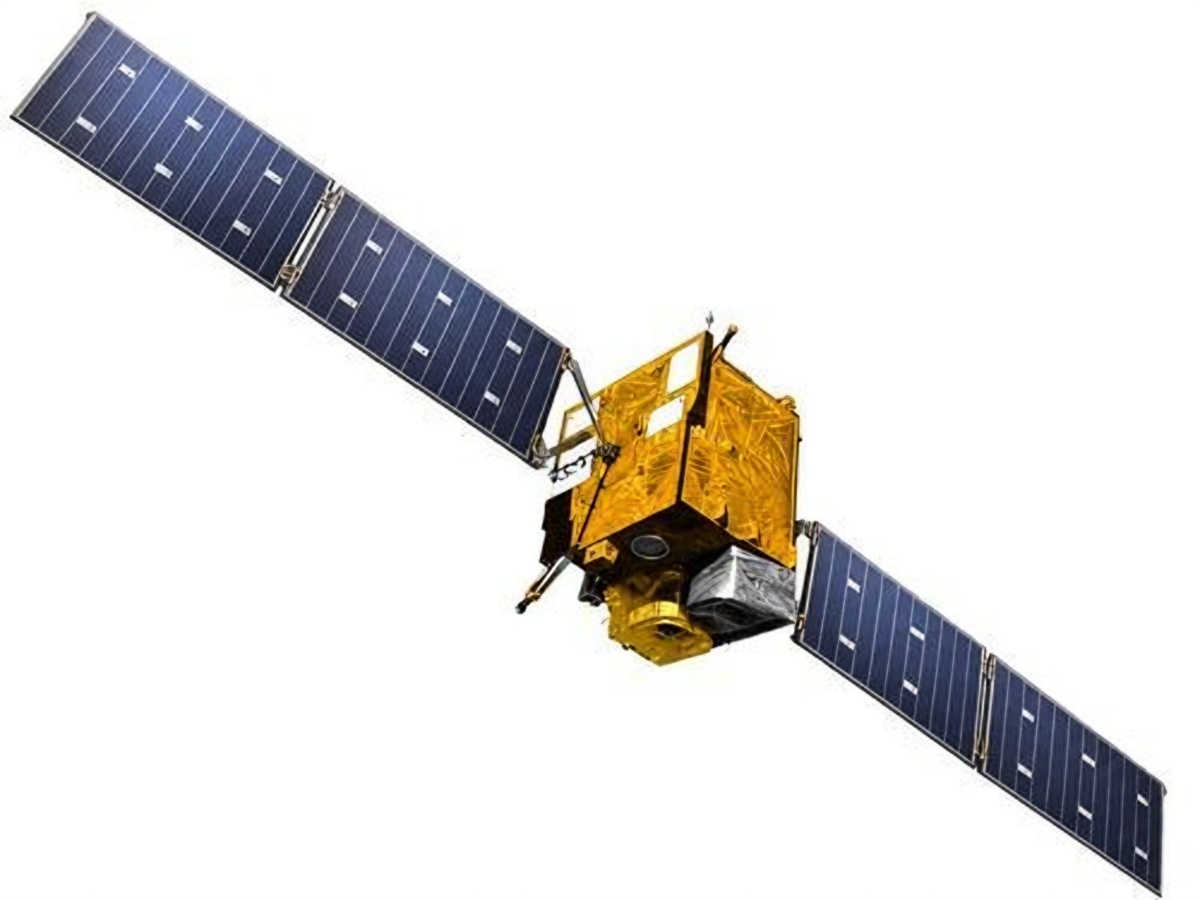
Korea will develop a next-generation environmental and ocean observation satellite by 2033 to succeed the current geostationary satellite, the country's space agency said Tuesday. The Korea AeroSpace Administration (KASA) said the proposal to develop the Cheollian-6 satellite has passed a preliminary feasibility review for a state-funded research and development project. The proposed satellite is…
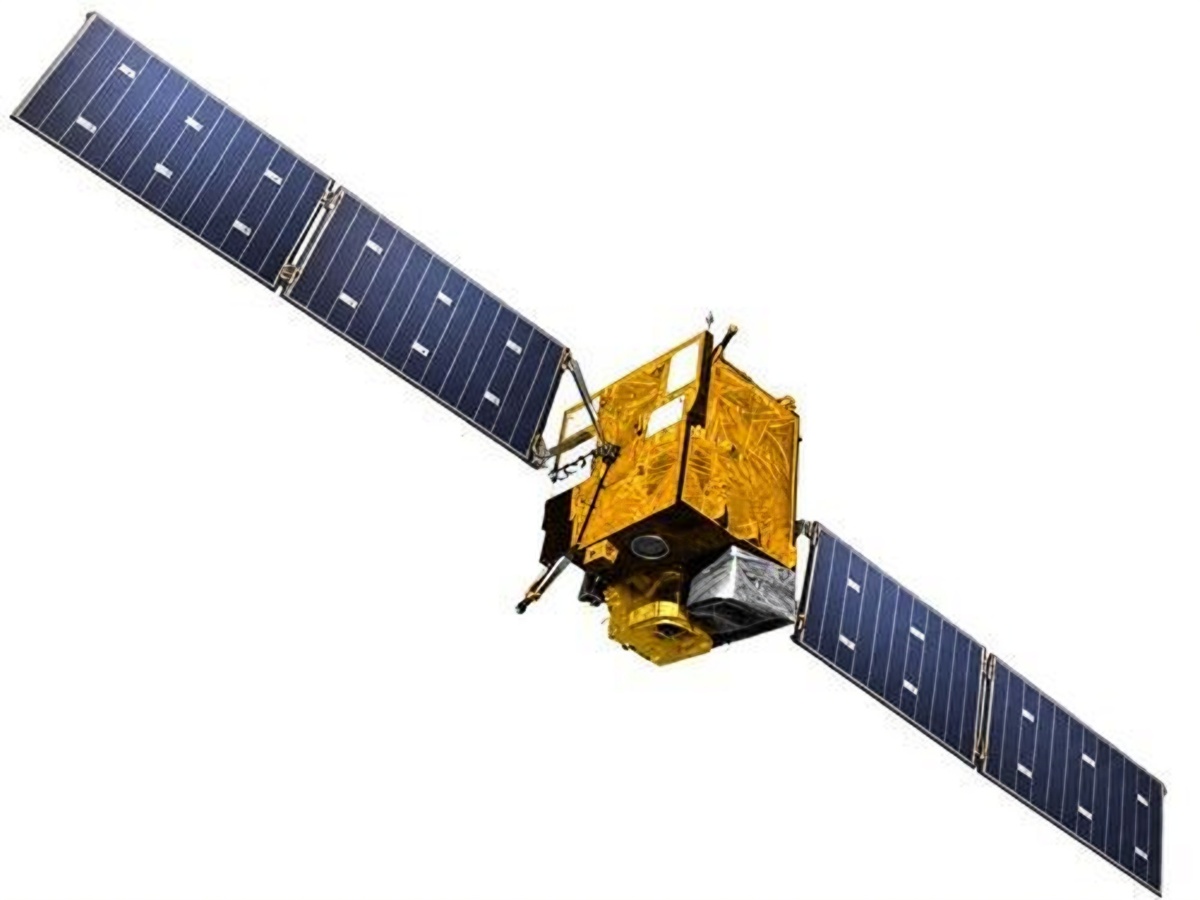
The Korea Aerospace Administration (KASA) has announced plans to develop a next-generation environmental and ocean observation satellite by 2033. The Cheollian-6 satellite is designed to replace the current geostationary satellite, which has been identified as the current system nearing the end of its operational lifespan. KASA's preliminary feasibility review has approved the proposal for this state-funded research and development project.
With an estimated budget of approximately 770 billion won ($556.7 million), the satellite is set to launch in 2033, succeeding Cheollian 2B, which was launched in 2020. The primary role of Cheollian-6 will be to monitor environmental conditions and ocean activities. This new satellite will be capable of detecting and tracking air and marine pollution, as well as maritime disasters, more efficiently than its predecessor.
Through the use of innovative technologies, including a hybrid propulsion system and instruments that can conduct both environmental and ocean observations from a fixed position relative to Earth, Cheollian-6 aims to enhance Korea's capabilities in environmental monitoring and disaster management.
Written by urgent.news from The Korea Times's reporting — not their text. Machine-written — may contain errors; check the original before relying on it.
This story
This is one outlet's version. Read the fullest account.
- Korea to develop environmental, ocean observation satellite koreatimes.co.kr
- S. Korea to develop environmental, ocean observation satellite en.yna.co.kr