Korea Targets 100 GW of Renewable Energy by 2030
South Korea has unveiled a detailed plan to expand the country's renewable energy capacity to 100 gigawatts by 2030, as securing a stable supply of renewable power emerges as a key factor in the country's competitiveness for attracting investment from global semiconductor and technology companies.Th
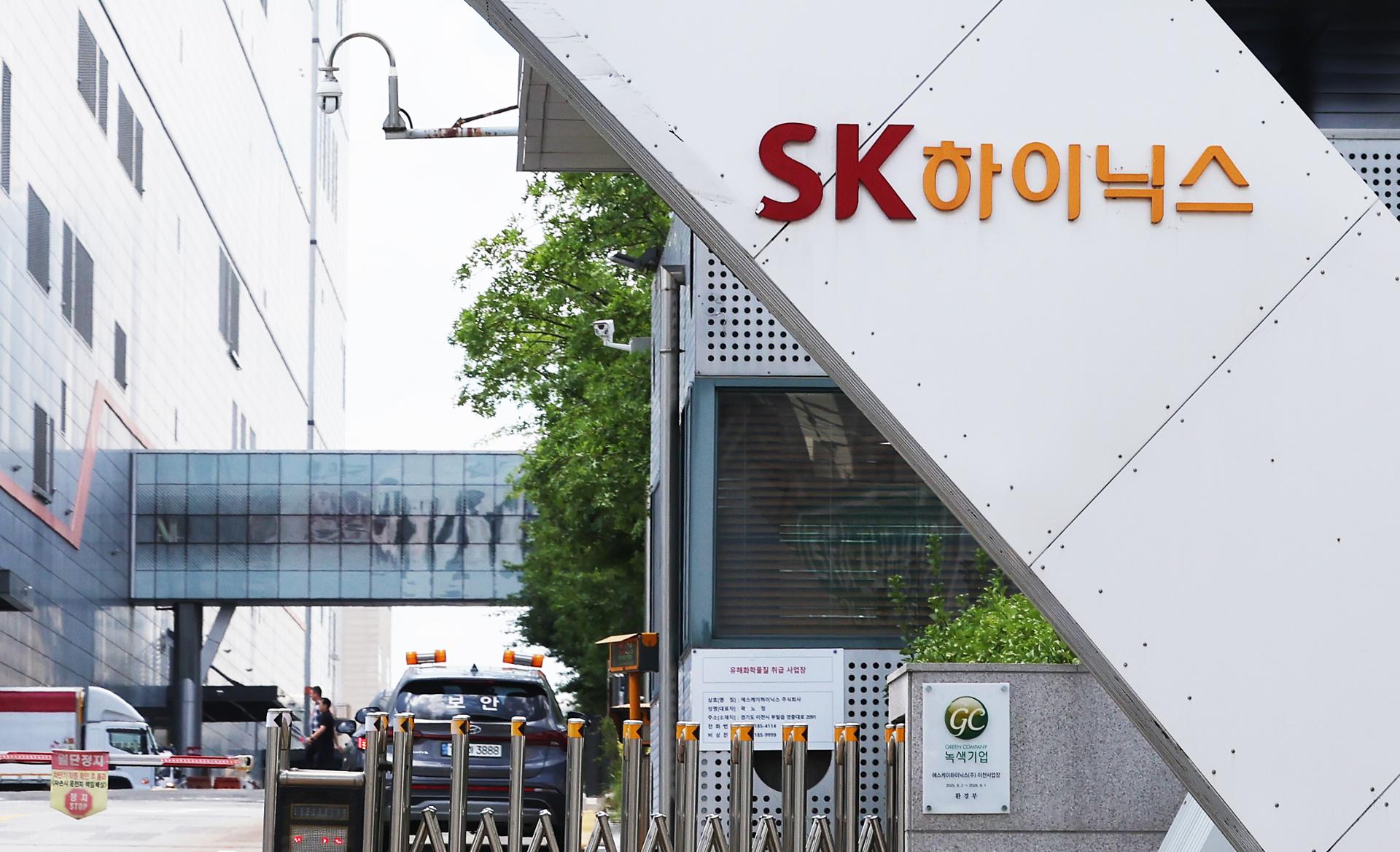
South Korea has outlined a comprehensive strategy to increase its renewable energy capacity to 100 gigawatts by 2030, recognizing the crucial role this plays in attracting global investment from the semiconductor and technology sectors. The Ministry of Climate, Energy and Environment plans to address this ambitious target at an upcoming roundtable event on August 26 with key industry players such as Samsung Electronics, SK hynix, Google, ASML, and others, in collaboration with Semiconductor Equipment and Materials International (SEMI).
This initiative stems from business demands for improved access to renewable energy, particularly for power-intensive operations like semiconductor manufacturing and AI data centers, which are increasingly under pressure to meet 100% renewable energy commitments and reduce emissions.
The government aims to bolster renewable energy deployment by simplifying permitting processes for solar projects, utilizing underutilized spaces like factory rooftops, agrivoltaic installations, and floating solar systems, and by relaxing restrictions on the use of public and state-owned land for such developments. Additionally, the government intends to streamline the energy market by transitioning from a Renewable Portfolio Standard to a long-term fixed-price contract system, thereby reducing price volatility, and establishing a power purchase agreement brokerage market to facilitate easier access to renewable energy. Enhancing the national power grid to meet growing electricity demands will also be a priority.
Lee Won-joo, head of the Energy Transition Policy Office at the Ministry, emphasized the government's commitment to transforming industrial sites, energy markets, and power grids to position South Korea as an attractive destination for global high-tech industries. The government will review input from the roundtable discussions and integrate these insights into forthcoming policy and regulatory adjustments.
Written by urgent.news from BusinessKorea's reporting — not their text. Machine-written — may contain errors; check the original before relying on it.