Kommentar: Auf die Subventionswalze aus China gibt es nur eine harte Antwort
Die Konfrontation mit Peking birgt zwar Risiken. Aber Nichtstun ist keine Lösung: Wenn Europa jetzt nicht gemeinsam mit anderen Mittelmächten handelt, könnte es bald zu spät sein.
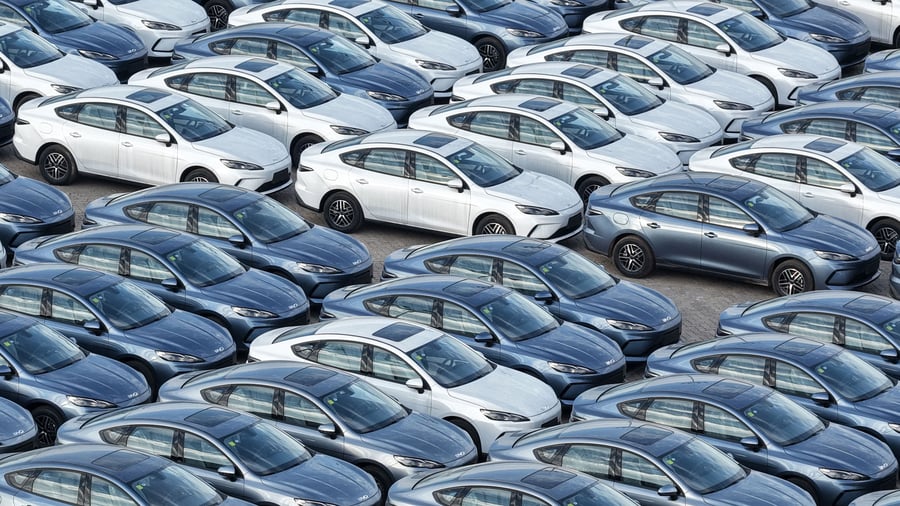
The European Union has long attempted to curb Europe's deindustrialization through bureaucratic reforms and cuts to climate protection funding. However, Europe's industries cannot survive if China floods our markets with surplus capacity at prices significantly below market economies. According to the OECD, China's subsidies are as much as eight times higher than those in Europe, and its aggressive industrial policy has allowed the country to dominate sectors where Europe, particularly Germany, once led, such as automobiles, industrial robots, and even tunnel boring machines.
China now builds these products to similar quality standards and sells them at dumping prices with the intention of pushing European competitors out of the market. Consequently, it is appropriate that the EU is preparing protective tariffs. The United States, South America, Canada, and even Turkey are already shielding their markets with high tariffs against China's export flood.
The influx of Chinese goods into Europe is only increasing. One might argue: If China wants to sell us good machines and cars at government-subsidized prices, why should we resist? But this is an overly simplistic view. Europe cannot absorb these surpluses without destroying its own production capacities. Additionally, without a domestic industrial base, we lack the expertise upon which the next generation of successful businesses will build.
Written by urgent.news from Handelsblatt's reporting — not their text. Machine-written — may contain errors; check the original before relying on it.