Kenya Airways posts Ksh81.2B revenue, Ksh16.1B loss
Revenue rose 9% to Ksh81.25 billion, the airline’s second-highest half-year revenue, driven by strong passenger demand, improved aircraft utilisation and commercial performance. The post Kenya Airways posts Ksh81.2B revenue, Ksh16.1B loss appeared first on KBC Digital .
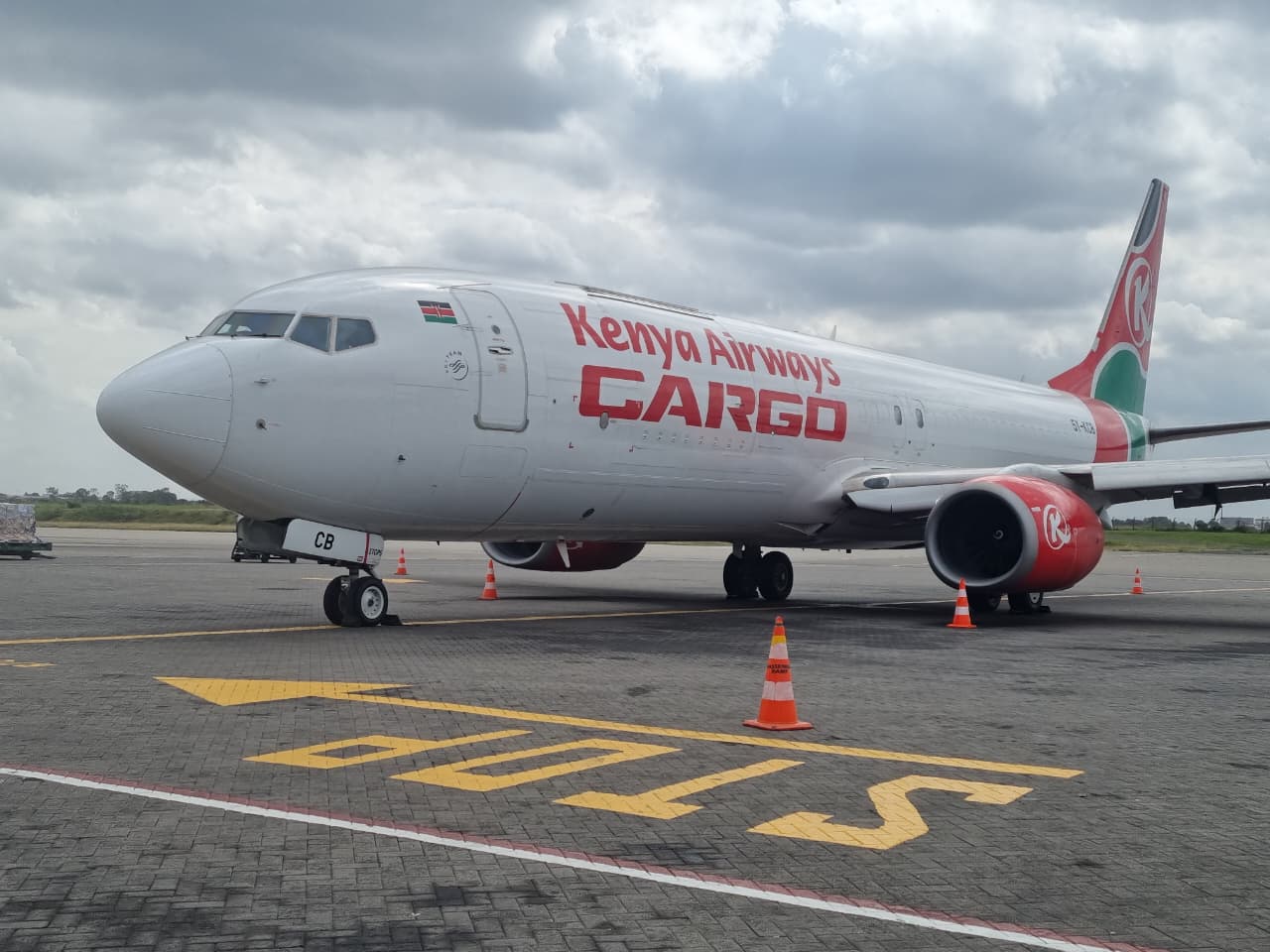
Kenya Airways reported a Ksh81.25 billion revenue in the first half of 2026, marking a 9% increase from Ksh74.5 billion in the same period last year. However, the airline faced a Ksh16.1 billion loss after tax. Strong demand for passengers, optimized aircraft utilization, and solid commercial performance contributed to the revenue growth.
The loss was higher than Ksh12.2 billion recorded in the first half of 2025 due to a faster increase in operating costs than revenue. Operating costs rose by 14%, primarily driven by higher fuel prices and difficulties in sourcing aircraft engines and spare parts. Fuel costs surged by 32% to Ksh29 billion, comprising 52% of the airline's direct operating expenses, as global jet fuel prices averaged $142 per barrel during the period.
The airline operated with 9% less capacity due to global supply chain issues, with engine turnaround times stretching between 90 and 120 days. Despite the reduced capacity, the airline's cabin factor and average coupon values showed resilience in demand for their network, said acting Group Managing Director and Chief Executive Officer George Kamal.
However, KQ's cargo revenue grew by 18% to Ksh8.77 billion from Ksh7.46 billion, aiming to boost its cargo market share from 11% to 40% through a capacity purchase agreement for a Boeing 747. Kamal mentioned that the airline is restoring aircraft capacity, with a Boeing 787-8 returning to service in July and a Boeing 777-300ER expected to join KQ soon.
Kiprono Kittony, Chairman of Kenya Airways, emphasized the focus on cost control, conserving cash, fleet capacity restoration, reducing leverage, and completing capital raising for the airline's recovery.
Written by urgent.news from KBC's reporting — not their text. Machine-written — may contain errors; check the original before relying on it.