Jenrick pledges reform for small businesses
Reform UK’s economics chief Robert Jenrick has billed a package of tax and red tape reforms for small businesses as the “biggest plan” presented in a decade. A week before the party’s conference in Birmingham, Jenrick has hailed a number of flagship policies designed to appeal to bosses employing fewer than 50 employees. The party [...]
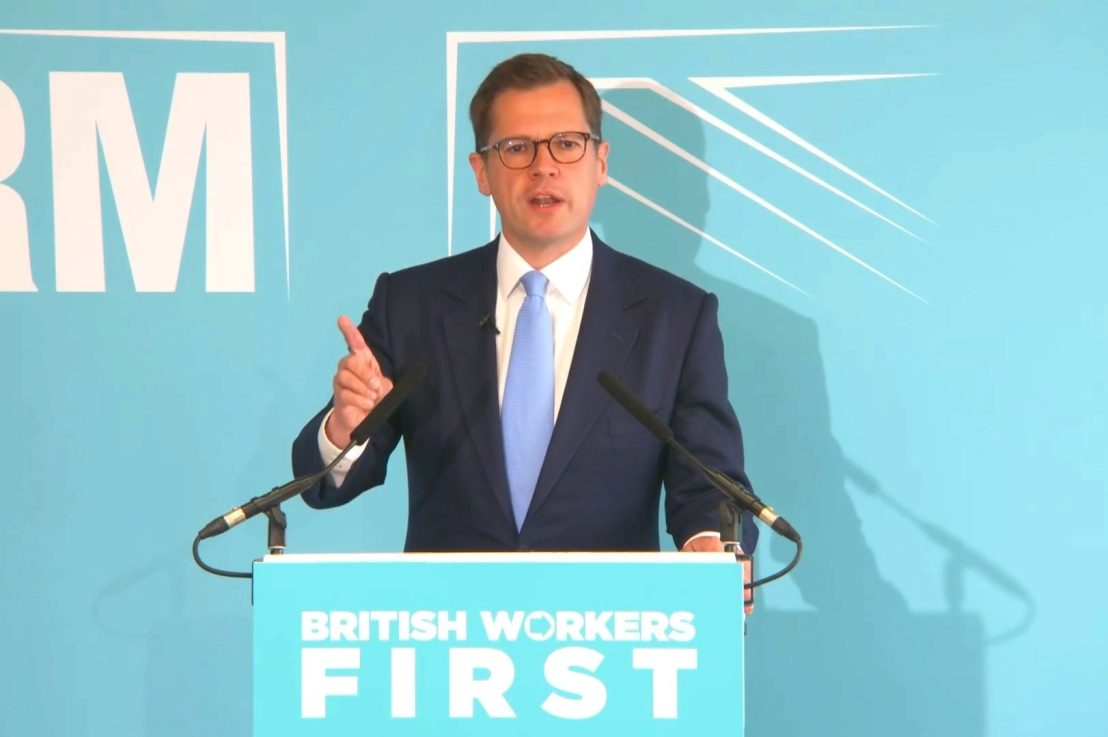
Reform UK economics chief Robert Jenrick has introduced a comprehensive package of tax and regulatory reforms aimed at bolstering small businesses, describing it as the "biggest plan" presented in a decade as the party prepares for its conference in Birmingham. The Reform party plans to abolish GDPR, the EU's stringent data protection guidelines, and replace them with a "light-touch" regulation that could stimulate innovation and diminish bureaucratic burden for entrepreneurs.
This move comes after research from a Washington DC-based institute indicated that EU-based regulations introduced in 2018 have reduced venture capital investment in technology firms by more than 20%. Another study suggested GDPR led to the removal of a third of apps on the Google Play Store and a 50% decline in new app entries between 2019 and 2026.
Officials described small businesses as being disproportionately affected by GDPR's legal obligations, particularly relating to contact-building and emails outside the organization. They referred to GDPR and other regulations concerning net zero and workers' rights as "silly rules". Jenrick advocated for a new framework based on New Zealand's privacy laws, which feature lighter penalties and more expansive definitions of anonymity in data collection.
Other policies perceived to aid small businesses include a partial reversal of the national insurance rate for employers when hiring British workers, and an increase in the VAT threshold from £90,000 to £150,000. Jenrick stated that under a Reform government, the UK would be the most favorable place globally for starting and expanding a small business.
The party also pledged to simplify pay and investment rules for companies, such as expanding the Seed Enterprise Investment Scheme (SEIS) to permit relatives to invest in small businesses, scrapping income tax on overtime, and repealing the Employment Rights Act. However, a Labour Party spokesperson criticized these proposals, arguing that they entail dismantling vital safeguards such as the Online Safety Act, which protects children online, and unworkable plans that lack seriousness, including the proposed tax relief on overtime.
Written by urgent.news from City AM's reporting — not their text. Machine-written — may contain errors; check the original before relying on it.