Japan’s weather agency to extend daily forecasts to two weeks
The Japan Meteorological Agency plans to make longer-term weather forecasts more detailed and accurate, to help people and businesses better prepare for extreme weather events.
The Japan Meteorological Agency (JMA) intends to extend its daily weather forecasts from five days to two weeks in order to provide more precise and timely information. This move is part of a broader effort to enhance forecasting capabilities in response to the increasing frequency of extreme weather events, such as heatwaves, heavy rainfall, and snowstorms.
An expert panel appointed by the JMA recently released a report recommending this extension, citing advances in climate data and simulations that support the feasibility and necessity of such a change.
Currently, the JMA's daily forecasts encompass expected weather conditions, maximum and minimum temperatures, rain probabilities, and confidence levels. The proposed extension would also include detailed predictions about the likelihood of warning-level heavy rain and snow for a two-week period. The agency aims to implement these updates by 2030, marking the most significant overhaul of its forecasting operations in three decades.
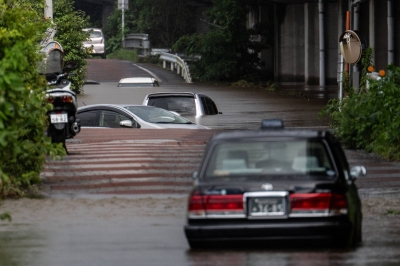
The report highlights a concerning trend: extreme weather events like record temperatures and unprecedented rainfall have been causing significant damage across Japan annually. For instance, last year witnessed a surge in ambulance calls due to heatstroke and Kumamoto Prefecture experienced record rainfall. As climate change continues to advance, forecasts spanning from one week to several months are becoming increasingly crucial for adaptation strategies.
Moreover, the report suggests that monthly forecasts could be improved by providing temperature comparisons with more recent periods, such as the last three years. Currently, the JMA indicates whether temperatures are expected to be "higher" or "lower" than the 30-year average, but this binary approach does not fully capture the nuances of warming trends. The panel argues that more detailed forecasts would better align with people's experiences and better meet their practical needs.
The implementation of these more extended forecasts promises to assist both individuals and businesses in preparing for disasters and optimizing schedules. For instance, businesses can adjust manufacturing and transport operations, while power supply companies can maintain stability. Better-informed decision-making is expected to mitigate the impact of extreme weather events on daily life and economic activities.
Written by urgent.news from Japan Times's reporting — not their text. Machine-written — may contain errors; check the original before relying on it.