It Should Be Harder to Apply for a Job. No, Really
Thanks to a dwindling supply of open roles, “one-click” applications, and the rise of artificial intelligence, it’s easier than ever to apply for a job. We’re all paying the price.
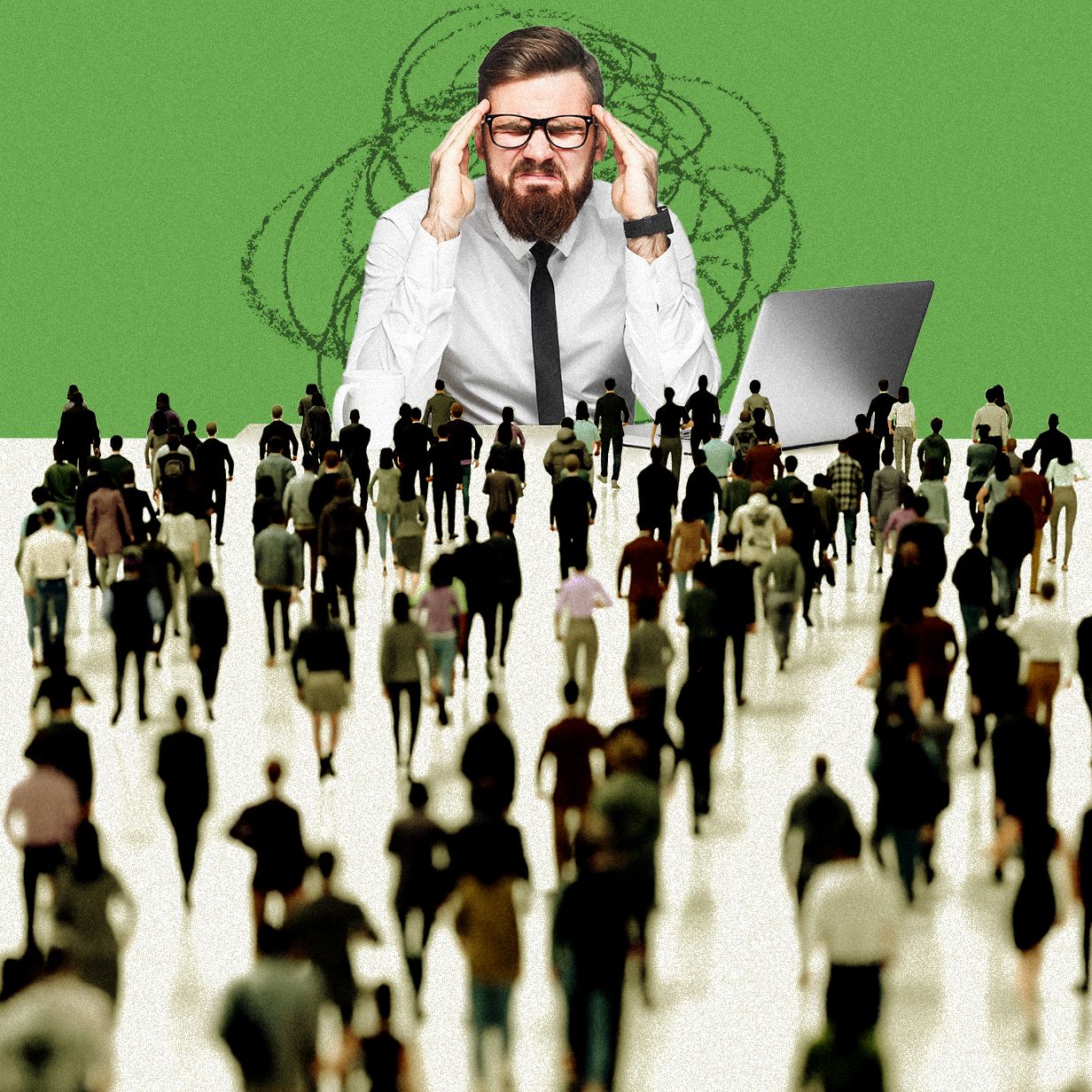
In the world of job hunting, the process has become increasingly convoluted, with AI playing a significant role in both the application and hiring stages. Software-buying firm Vendr's head of people, Stockwell, recently experienced the overwhelming influx of applications firsthand. Within days, his company received hundreds, even thousands, of applications, many of which were either fake or generated using AI.
Recruiters found themselves spending excessive time reviewing these applications, often without distinguishing the genuine candidates from the rest.
This situation is not unique to Vendr. Many recruitment professionals believe that the job application process has fundamentally broken down. Platforms like LinkedIn and AI-powered tools have made it easier than ever for applicants to apply for multiple jobs in a single day. These technologies can generate tailored resumes and cover letters, as well as fill out applications with just a few clicks.
The result is a flood of applications that makes it difficult for recruiters to identify the most qualified candidates. LinkedIn reports a 46% increase in submissions per applicant since February 2020, while applications have risen by 22% since the launch of ChatGPT. In response to this issue, LinkedIn has implemented measures to limit automated and low-quality applications. However, this has led to a frustrating experience for candidates, who are bombarded with jobs they may not be suitable for.
Despite the challenges, some recruiters are turning to AI tools themselves to manage the deluge of applications. Automated applicant tracking systems have been in use for over a decade, but now, companies are utilizing AI agents to conduct initial interviews. This approach aims to streamline the hiring process and make it more manageable for recruiters.
However, the desire for a seamless job application experience may be doing more harm than good. As HR executive Tessa White puts it, "Every time we seem to strive for efficiency, we seem to give up quality." In an effort to attract the best talent, companies need to strike a balance between making the application process user-friendly and ensuring that only the most qualified candidates make it through the screening process.
Written by urgent.news from Wired's reporting — not their text. Machine-written — may contain errors; check the original before relying on it.