Iran and Oman discuss temporary Hormuz corridor as impasse with US drags on
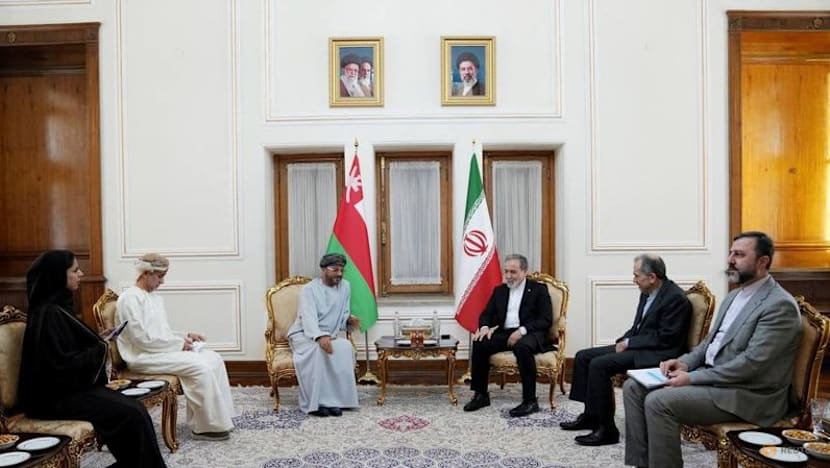
By Yomna Ehab CAIRO, Aug 26 (Reuters) - Iran said it had restarted talks with neighbor Oman to manage the Strait of Hormuz as it faces heightened economic pressure from U.S. President Donald Trump in the wider conflict. Iran and Oman have been in on-and-off talks for weeks about controlling traffic through the strategic waterway, which handled one-fifth of global oil and liquefied natural gas…
Cairo, August 26 - Iran has recommenced negotiations with Oman in an attempt to manage the Strait of Hormuz amid escalating economic pressure from the United States under President Donald Trump. The two nations have been intermittently discussing the management of the strategic waterway, which previously accounted for one-fifth of global oil and liquefied natural gas shipments before the conflict began in February.
On Tuesday, Iran and Oman outlined plans for a temporary navigational corridor through the strait and agreed to clear it of mines, a statement Iran made on the matter. President Trump affirmed that all mines in the strait had been cleared, a claim he has made in the past. Even though direct hostilities between the U.S. and Iran have largely ceased, diplomatic efforts to secure a peace agreement have stalled, and the waterway remains hazardous for passage.
An oil tanker was hit by an unidentified projectile on Tuesday, approximately 9 nautical miles northeast of Oman's Ash Shishah, the entrance to the strait. The UK Maritime Trade Operations reported the incident. Separately, the U.S. Secret Service disclosed knowledge of a video broadcast by Iranian state television that allegedly detailed a plot to assassinate President Trump's youngest son, Barron.
The video suggested that the boy was being monitored and claimed a $10 million bounty had been offered for his assassination. Despite the persistent tensions, the U.S. is initiating the return of personnel to some diplomatic missions in the Middle East that were either evacuated or reduced due to the ongoing conflict with Iran. This move indicates Washington's belief in a decreased likelihood of the conflict with Iran spiraling in the near future, although some embassies will initially function below full capacity.
The U.S. has recently threatened to penalize countries continuing business with Iran in an attempt to cripple the country's economy, but has not yet implemented these sanctions. Oil prices dropped for the second consecutive day as traders disregarded the implications of the U.S. sanctions, while Iran denounced the U.S. effort to isolate its economy as an act of "gross lawlessness," asserting confidence that numerous countries would not join the pressure campaign.
U.S. public support for the war has plummeted to its lowest point since the conflict's early stages, and Trump's approval rating is currently at a record low in the weeks preceding the November congressional elections. Over 3,000 people have lost their lives in the conflict, with the majority being Iranian and Lebanese citizens.
Although the U.S. and Israel have significantly weakened Iran's conventional military capabilities, the precise status of Iran's nuclear program, a primary target for the U.S. and Israel, remains uncertain.
Written by urgent.news from Investing.com's reporting — not their text. Machine-written — may contain errors; check the original before relying on it.
This story
This is one outlet's version. Read the fullest account.
- Iran, Oman say discussed temporary Hormuz corridor, mine-clearing koreatimes.co.kr
- Iran’s bottleneck is Hormuz, not the buyer hellenicshippingnews.com
- Stocks tumble as US targets Iran with new sanctions philstar.com
- WTI slides as traders shrug off US sanctions on Iran, Hormuz risks persist fxstreet.com
- Iran and Oman discuss temporary Hormuz corridor as impasse with US drags on channelnewsasia.com
- Iran and Oman discuss joint shipping route in Strait of Hormuz and mine clearing mission cnbc.com
- Iran, Oman discuss temporary shipping lane through Strait of Hormuz aljazeera.com
- Iran and Oman edge towards deal on Strait of Hormuz ft.com