Inisiatif Zeekr Power rapat jurang pengecasan EV, kata pakar
Pakar berkata sektor swasta mampu lipat ganda infrastruktur pengecasan seiring pemilikan EV ambil kira lokasi, akses, dan ketersediaan.
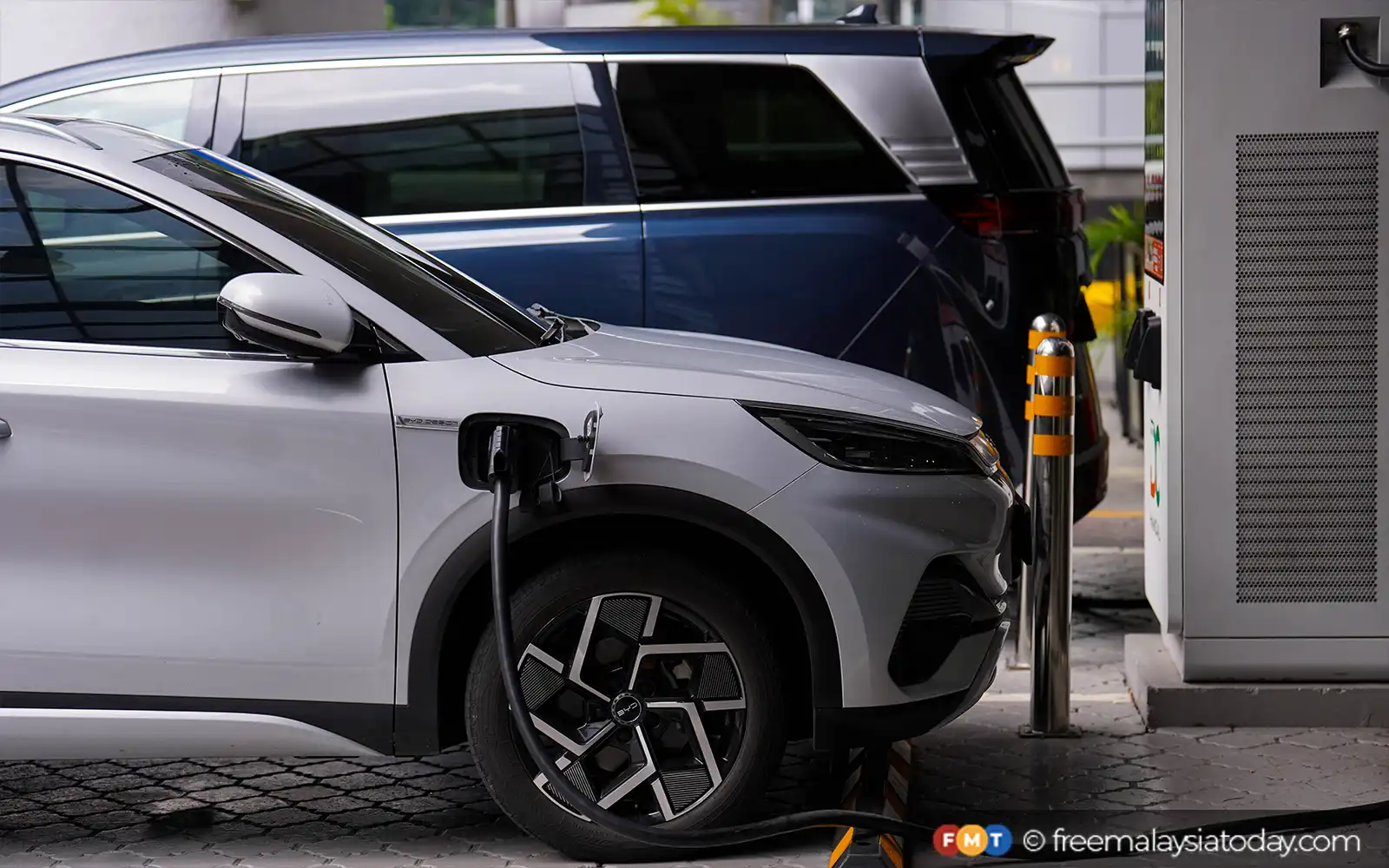
Analysts say key factors such as location, charging speed, operational time, grid capacity, and availability during peak hours are crucial as electric vehicle (EV) ownership increases. Zeekr Malaysia's plan to build 30 Zeekr Power charging stations nationwide within three years is a private initiative capable of narrowing the electric vehicle infrastructure gap, according to experts.
Jason Lee, President of the Malaysian Electric Vehicle Association, and transport expert Wan Agyl Wan Hassan stated that greater investment in charging facilities is needed because infrastructure development is racing to keep up with the growing number of EV users. Lee noted that manufacturers can play a bigger role in infrastructure investment, unlike relying solely on charging point operators (CPOs) or the government.
He added that Zeekr must act proactively in its commitment, besides ensuring all 30 stations are successfully built. Wan Agyl pointed out that collaboration between Zeekr Power and local CPOs, like DC Handal, is a reasonable approach to consider. Instead of constructing separate systems, automotive manufacturers can partner with existing CPOs and focus investment in strategic locations.
Such cooperation should be considered, as he told FMT. Under the three-year plan, Zeekr Malaysia aims to build 30 Zeekr Power stations across the country. Initially, the collaboration with DC Handal will involve seven stations along the North-South Expressway, with at least two charging points at each location and a minimum output of 120kW.
This effort comes as Malaysia seeks to expedite its charging infrastructure following its failure to hit the initial target of 10,000 charging stations by the end of 2025. There are currently 5,624 charging stations nationwide as of Dec 31, 2025, according to the Malaysian Automotive, Robotics and IoT Institute (MARii). By May 31, 2025, this number had risen to 6,416, including 2,143 DC fast chargers and 4,273 AC chargers, compared to the government's revised target of 30,000 by 2030.
Malaysian Investment, Trade, and Industry Minister Johari Abdul Ghani recently warned that infrastructure development must keep pace with EV adoption, cautioning that it is not enough to simply increase the number of charging points. Wan Agyl agreed with Johari but emphasized that the issue goes beyond just the total number of chargers.
Charging speed, operational time, grid capacity, and availability during peak hours are equally important as the total number of chargers, he said. AC 22kW chargers at shopping centers serve different purposes than fast DC 150kW or 300kW chargers on highways connecting states. The location, charging speed, operational time, grid capacity, and availability during peak hours are all equally important, he added.
Wan Agyl said the gap in the charging network becomes more apparent during peak travel times due to increased demand that outweighs the existing number of chargers. The current concern is shifting from distance to charging availability — whether the charger is present, functioning properly, and accessible without long waits.
Written by urgent.news from Free Malaysia Today's reporting — not their text. Machine-written — may contain errors; check the original before relying on it.
This story
This is one outlet's version. Read the fullest account.
- Inisiatif Zeekr Power rapat jurang pengecasan EV, kata pakar freemalaysiatoday.com