IBM announces chip that natively executes Arm and Z instructions concurrently
Cunning plan to expand the amount of software that runs on mainframes is also an admission ISVs are focusing their energies elsewhere
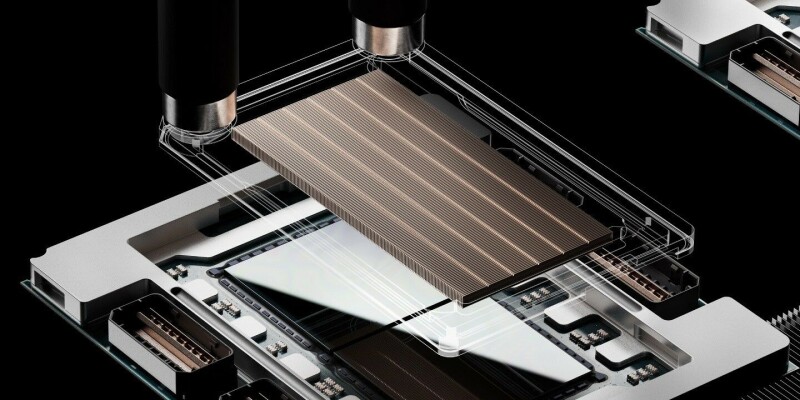
IBM has unveiled plans for a new processor chip capable of executing both Arm and z/Architecture instructions simultaneously. The unannounced chip, constructed using a two-nanometer fabrication process, will feature 11 high-performance cores operating at speeds exceeding 5.7 GHz, along with AI inference accelerators for real-time fraud detection, an on-chip data processing unit for I/O acceleration, and a large cache architecture tailored for heavy-duty enterprise workloads.
The processor cores of this chip can simultaneously execute instructions from both the Arm architecture, which boasts over 22 million developers and supports a rapidly expanding portfolio of cloud-native, AI, analytics, and enterprise applications, and IBM's proprietary z/Architecture, renowned for its robustness and suitability for demanding applications.
However, the overall market for mainframes is relatively small, with Rocket Software, a vendor specializing in mainframe modernization tools, estimating only 42 mainframe users in Australia.
Major cloud service providers have developed their own Arm processors, and customers are increasingly drawn to them due to the wide availability of open-source infrastructure, cloud-native, and AI tools compatible with the Arm architecture. George Cozma, an analyst at TechInsights, acknowledged the strategic importance of the mainframe market, noting that customers are hesitant to replace these systems due to the high cost and risk associated with migration.
Nonetheless, Cozma believes that the new chip signifies a significant step towards bridging the gap between the mainframe market and the broader computing mainstream.
Despite the mainframe's enduring strengths in reliability, security, and virtualization, these capabilities are currently confined to an architecture that has become increasingly disconnected from modern software development practices. IBM aims to strike a balance between continuity for existing mainframe software vendors and their customers, expanded software options for current IBM customers, and the nine-nines resilience of the mainframe for a wider range of workloads.
While IBM unveiled its latest mainframe generation, the z17, in 2025, with new models typically released every three years, the new chip is expected to be integrated into future z18 models by 2028.
Written by urgent.news from The Register Science's reporting — not their text. Machine-written — may contain errors; check the original before relying on it.
This story
This is one outlet's version. Read the fullest account.
- IBM is building a dual-architecture mainframe chip that will run Arm and Z software on the same cores techspot.com
- IBM's first dual-ISA core natively executes ARM and z/Architecture in the same core; all cores run at 5.7 GHz base frequency — next-gen mainframe AI processor is built on 2nm node with 11 cores tomshardware.com
- IBM announces chip that natively executes Arm and Z instructions concurrently theregister.com