Hydel project shutdown triggers power crisis in J&K
The prolonged shutdown has widened the region’s power deficit. Jammu & Kashmir’s peak electricity demand stands at about 2,500MW in summer and 3,000MW in winter. With both Baglihar units largely unavailable for most of the past week, Jammu & Kashmir faced a shortfall of nearly 900MW. Built on the Chenab river, Baglihar stages I and II are among Jammu & Kashmir’s key power sources.
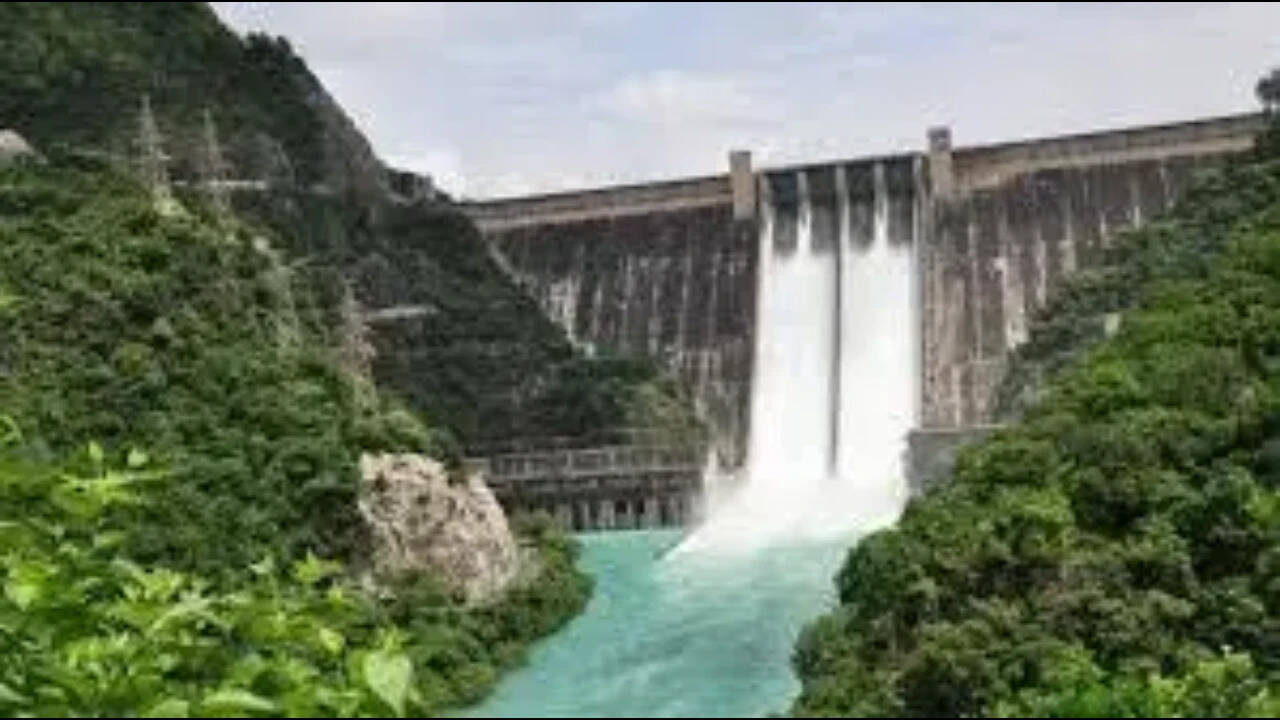
Jammu & Kashmir is currently facing significant challenges due to the shutdown of crucial hydroelectric projects, resulting in power shortages and frequent unexpected outages. Among these projects, the 450MW Baglihar stage I and the Salal project have been put on hold for silt-flushing operations. The Baglihar stage-I, located in Ramban district, has been non-operational for a week now, with the accumulated silt at its gates delaying the restoration work.
Officials revealed that desilting work at Baglihar stages I and II, as well as the Salal project, commenced on August 18. Although Baglihar stage II has managed to resume generation on August 22, stage I is yet to be reinstated. The Salal project is anticipated to restart operations on Tuesday.
The prolonged shutdown of these key power sources has exacerbated the region's power deficit. In summer, Jammu & Kashmir's peak electricity demand reaches approximately 2,500MW, while in winter it escalates to around 3,000MW. With both Baglihar units largely out of action for most of the last week, the state is grappling with a shortfall of nearly 900MW.
The Baglihar stages I and II are among Jammu & Kashmir's primary power sources, built on the Chenab river. In response to the disruption, the power department is currently exploring alternative arrangements to bridge the supply gap.
This crisis arrives amidst growing criticism of the Omar Abdullah-led government over the escalating electricity tariffs. Starting from September 1, power consumers in Jammu & Kashmir will be subjected to a 6.83% tariff hike.
Written by urgent.news from Times of India's reporting — not their text. Machine-written — may contain errors; check the original before relying on it.