How a new generation of Indigenous artists is redefining Taiwan’s contemporary art scene
Breakout projects this year highlight a rethinking around tradition, identity and belonging
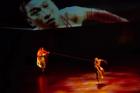
A new generation of Indigenous artists is reshaping Taiwan's contemporary art scene, marking a departure from the paradigm established in the 1990s and 2000s. The Taiwan debut of Hagay Dreaming, a collaboration between digital art pioneer Shu Lea Cheang and Truku artist Dondon Hounwn, debuted at the Taipei Performing Arts Center in May.
Shortly thereafter, Tai Body Theatre claimed the grand prize at the Taishin Arts Award, becoming the first Indigenous collective to do so. Wei-Lun Lu, a curator and script consultant for Hagay Dreaming, notes that many artists emerging in the 2010s were academy-trained, with video and performance becoming increasingly prominent alongside sustained engagement with white-cube contexts.
Indigenous peoples make up around 2.5% of Taiwan's population, comprising 17 officially recognized nations. After centuries of Han Chinese settlement, Japanese colonial rule, and assimilation under the Nationalist government, an Indigenous rights movement emerged alongside Taiwan's democratisation in the 1980s and 90s. This movement demanded the recovery of language and culture, as well as political recognition, leading to the establishment of systematic infrastructure for Indigenous art in the mid-2000s.
The Kaohsiung Museum of Fine Arts and the Pulima Art Award have been instrumental in showcasing Indigenous contemporary art. However, Taiwan's Indigenous contemporary art community still remains underdeveloped in terms of commercial galleries. Only a select few galleries have begun working with Indigenous artists, often those with international exhibition records.
The relationship between Indigenous art and the state is one of negotiation rather than confrontation, according to Lu. Indigenous contemporary art has roots in community-based mentorship and traditional crafts, emerging as a response to assimilation and economic hardship. Despite the cultural revival, there has been a gap in addressing sexuality and gender experiences within Indigenous traditions.
Lu's 2023 exhibition, Amorous Mountains, Erotic Seas: Queer, Indigene, and the Hidden History, sought to make this overlooked history visible by featuring transgender performances and works by younger Indigenous artists engaging with urban east-coast Indigenous drag communities.
Written by urgent.news from The Art Newspaper's reporting — not their text. Machine-written — may contain errors; check the original before relying on it.