HIV stigma could derail Ghana’s 2030 target – AHF Ghana
Ghana’s efforts to end HIV as a public health threat by 2030 could face a major setback if stigma surrounding the virus continues to discourage people from getting tested, accessing treatment, and staying in care.
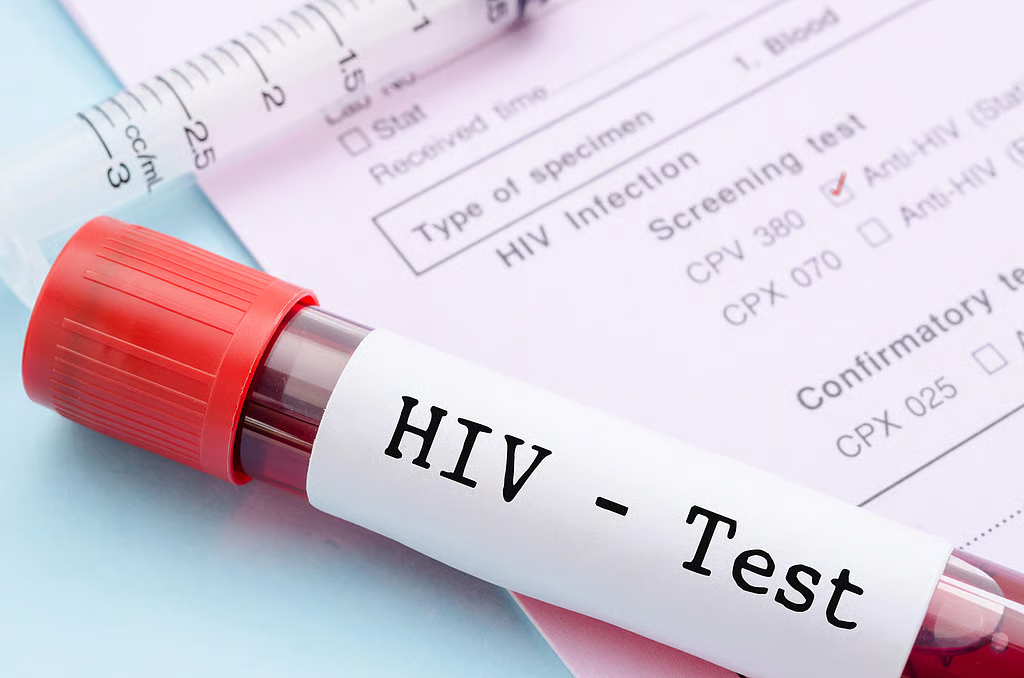
Ghana's goal of eradicating HIV by 2030 could be compromised by the stigma that discourages testing, treatment, and care. Dr Ekua Houphouet, Country Programme Manager at AIDS Healthcare Foundation (AHF) Ghana, emphasized that tackling HIV requires more than just medical efforts, highlighting the need to address societal attitudes and misinformation.
Stigma impacts individuals on multiple levels, influencing decisions about testing, treatment adherence, disclosure, and ongoing care. Dr Houphouet described HIV stigma as negative attitudes, beliefs, stereotypes, and judgments aimed at those with HIV or associated with it, which can lead to fear, blame, exclusion, discrimination, or unfair treatment.
Such stigma can dissuade people from getting tested, seeking treatment, disclosing their status, or accessing healthcare services. Testing is crucial in Ghana's HIV response, as it determines a person's HIV status; however, fear of judgment may prevent individuals from testing. Those who are positive may avoid antiretroviral therapy fearing disclosure, further contributing to the virus's spread.
Stigma extends beyond testing, affecting treatment adherence and viral suppression, which are key UNAIDS 95-95-95 targets — 95% of people with HIV must know their status, 95% of those aware must be on treatment, and 95% on treatment must achieve viral suppression. If stigma discourages testing, the country risks failing to identify those needing care, hindering treatment and viral suppression.
The fight against HIV must involve broader societal changes, including accurate HIV information, challenging myths, and promoting fact-based conversations. The media plays a pivotal role in shaping public perception; reporting should avoid blaming or shaming those with HIV and instead foster understanding and accurate information.
Ultimately, ending HIV requires ending the stigma surrounding it, ensuring people can live without judgment, seek the care they need, and contribute to Ghana's public health goals.
Written by urgent.news from MyJoyOnline Ghana's reporting — not their text. Machine-written — may contain errors; check the original before relying on it.